Beyond the Hip Thrust: Top Exercises for Building Glute Strength
TABLE OF CONTENTS

Building strong glutes can significantly enhance your athletic performance, posture, and aesthetic appearance. While hip thrusts are a popular exercise for achieving this, sometimes you might need a hip thrusts alternative due to lack of equipment, space constraints, or simply to add variety to your workout routine. In this article, we will explore several effective hip thrusts alternatives that can help you maintain your journey to powerful and sculpted glutes.
Glute Bridges
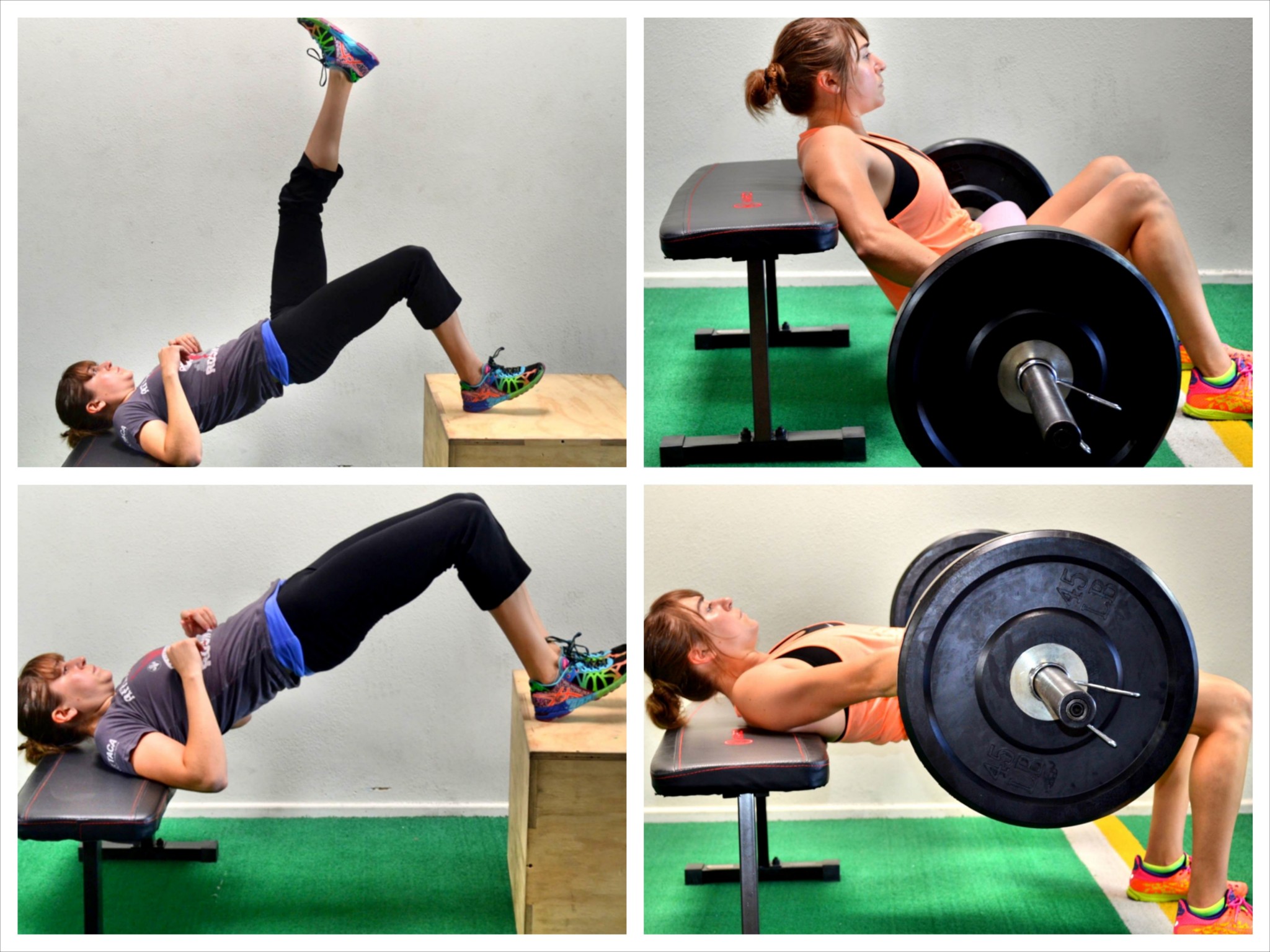
One popular hip thrusts alternative is the glute bridge, which can be performed with or without additional weight. To perform a glute bridge:
- Lie on your back with your knees bent and feet flat on the floor.
- Place your arms at your sides, palms down.
- Press through your heels, lift your hips towards the ceiling, and squeeze your glutes at the top.
- Lower your hips back down and repeat.
Glute bridges target the same muscles as hip thrusts and can be performed anywhere, making them a convenient option for consistent training.
Bulgarian Split Squats
Bulgarian split squats are another excellent hip thrusts alternative, offering the benefit of unilateral movement, which helps correct muscle imbalances. Here’s how to do it:
- Stand a few feet in front of an elevated surface, like a bench.
- Extend one foot behind you, placing the top of your foot on the bench.
- Lower your body into a squat, ensuring the front knee does not extend beyond your toes.
- Push through your front heel to return to the starting position and switch legs.
This move not only works your glutes but also engages your quads and hamstrings, offering a comprehensive lower body workout.
Step-Ups
Step-ups are a functional hip thrusts alternative that also enhances your balance and coordination. To perform step-ups:
- Stand in front of a sturdy bench or platform.
- Place one foot firmly on the platform while keeping the other on the ground.
- Push through the heel of your foot on the platform to lift your body up.
- Bring your other foot up to meet the first and then step back down.
Incorporating step-ups into your routine will effectively target your glutes, quads, and calves.
Deadlifts
Deadlifts are another powerhouse exercise that serves as an alternative to hip thrusts. They help in building overall posterior chain strength, including the glutes. Here’s how to do them:
- Stand with your feet hip-width apart, holding a barbell or dumbbells in front of your thighs.
- Hinge at your hips, keep your back straight, and lower the weights along your legs.
- Drive through your heels to stand up straight, squeezing your glutes at the top.
Conclusion
Incorporating a variety of exercises into your routine is essential for comprehensive muscle development and injury prevention. While hip thrusts are an effective exercise, trying hip thrusts alternatives like glute bridges, Bulgarian split squats, step-ups, and deadlifts can enhance your strength and engagement of the glute muscles. Stay consistent with these exercises, and you’ll undoubtedly see progress in your fitness journey.
FAQs
What muscles do hip thrusts alternatives target?
These alternatives primarily target the glutes, hamstrings, and quads, but each exercise may emphasize different muscle groups. For example, deadlifts also heavily engage the lower back and core.
Can beginners perform these hip thrusts alternatives?
Absolutely! Each of these exercises can be modified to match your fitness level. Start with body weight and gradually add weights as you become more comfortable.
How often should I incorporate these exercises into my workout routine?
Aim to work your lower body, including these exercises, 2-3 times per week for optimal results.
For more tips on personal fitness plans, you may find this resource helpful. For guidance on exercise techniques, visit ExRx.net.
BIG SALE | FAST SHIPPING
HOT PROMOTIONS!

Beligas 10ml Vial Testosterone NPP Blend 150mg

Original price was: $ 119.00.$ 99.00Current price is: $ 99.00.

Fierce nandrolone decanoate 300 / ml 10ml

Original price was: $ 131.00.$ 119.00Current price is: $ 119.00.
CYT 3 6MG | T3 | Yohimbe | Clen | Weight Loss Blend | 100 Tablets Total Kit 600mg

$ 69.00


Hip thrusts are a popular exercise for targeting the glutes, but there are several effective alternatives that can also engage these muscles and provide variety to your workout routine. One such alternative is the glute bridge, which is a similar movement performed on the floor without additional equipment, making it accessible for beginners or home workouts. Single-leg variations of the glute bridge can increase the challenge and help improve muscle imbalances. Another excellent alternative is the Bulgarian split squat, which not only activates the glutes but also works the quads and improves balance. Deadlifts, particularly Romanian deadlifts, although primarily targeting the hamstrings and lower back, also significantly engage the glutes and can serve as a compound movement in your lower body training. Incorporating these alternatives can ensure comprehensive glute development while reducing monotony and the risk of overuse injuries associated with repetitive exercises.