Body Strength: The Ultimate clue to Mastering Dip Exercises
TABLE OF CONTENTS

Dip exercises are an essential aspect of bodyweight training, targeting multiple muscle groups and delivering impressive strength gains. Known for their simplicity and effectiveness, dip exercises require minimal equipment, making them a popular choice for fitness enthusiasts. In this guide, we delve into the variety of dip exercises available, explaining how each can contribute to a balanced and robust fitness regimen.
Parallel Bar Dips for Upper Body Strength
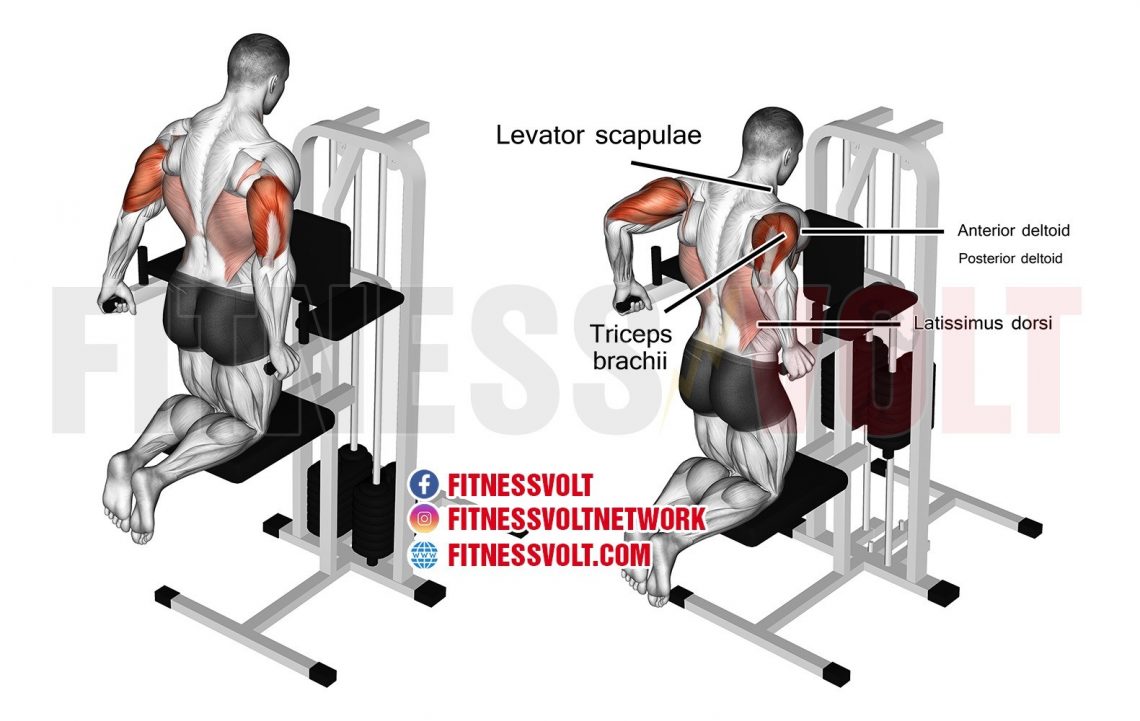
Parallel bar dips are a classic exercise that primarily targets the chest, triceps, and shoulders. By leveraging your body weight, this exercise helps build upper body strength and muscular endurance. To perform parallel bar dips, secure your grip on the bars, lift your body, and then lower yourself by bending your elbows until your upper arms are parallel to the ground. With practice and consistency, you’ll notice significant improvements in your upper body strength.
Bench Dips for Tricep Tonality
Bench dips offer a convenient way to focus on your triceps, requiring only a bench, chair, or even a low table. Sit on the edge of the bench, place your hands beside your hips, and extend your legs forward. By lifting your body off the bench and lowering yourself with your arms, you can effectively target the triceps. Bench dips are especially useful for beginners looking to improve their arm strength without the need for elaborate equipment.
Ring Dips: Enhancing Stability and Control
Ring dips introduce an element of instability, engaging more muscle groups for stabilization. This variation is particularly beneficial for those who wish to intensify their workouts. Start by gripping the rings and performing controlled dips, focusing on keeping your body stable. The instability of the rings forces your core and stabilizing muscles to work harder, enhancing overall muscle control and balance.
Weighted Dips for Advanced Strength
Once you’re comfortable with bodyweight dips, adding extra weight can take your training to the next level. Weighted dips can be performed by wearing a dip belt with added weight plates or holding a dumbbell between your feet. This form of resistance training is excellent for building substantial upper body muscle and increasing strength.
Reverse Dips for a Full-Body Challenge
Reverse dips, also known as reverse plank dips, challenge your entire body. By elevating your feet and supporting yourself with your hands behind you, reverse dips not only work your triceps but also engage your core and leg muscles. This full-body dip variation improves overall functional strength and endurance.
BIG SALE | FAST SHIPPING
HOT PROMOTIONS!









CYT 3 6MG | T3 | Yohimbe | Clen | Weight Loss Blend | 100 Tablets Total Kit 600mg

$ 69.00
Conclusion
Dip exercises are a cornerstone of bodyweight fitness, offering versatile and effective ways to develop upper body strength, muscle endurance, and overall stability. Whether you are a beginner or an advanced athlete, incorporating various dip exercises into your training routine can yield impressive results and support long-term fitness goals.
FAQs
What muscles do dip exercises primarily target?
Dip exercises mainly target the triceps, chest, and shoulders. However, variations like ring dips and reverse dips also engage core and stabilizing muscles for a comprehensive workout.
Are dip exercises suitable for beginners?
Yes, dip exercises such as bench dips are ideal for beginners as they require minimal equipment and can easily be adjusted to match individual strength levels.
How can I avoid injury while performing dip exercises?
To avoid injury, ensure proper form by keeping your elbows close to your body and avoiding excessive forward leaning. Gradually increase intensity and seek guidance if unsure about form or technique.
For online workout tutorials and guidance on proper form, you can visit Bodybuilding.com and Nerd Fitness for additional resources and advice.
Dip exercises are a highly effective upper body workout aimed at developing strength and muscle mass in the chest, shoulders, and triceps. Typically performed using parallel bars or a dip station, the exercise involves using your own body weight as resistance to lower and raise yourself by bending at the elbows. As you descend, your elbows should be at about a 90-degree angle before pushing back up to the starting position. Variations of the dip can target different muscle groups more intensely; for instance, leaning forward during the exercise shifts more emphasis onto the chest, while maintaining an upright position places a greater load on the triceps. Adding extra weight or using resistance bands can further increase the intensity and efficacy of the workout. Besides enhancing muscle strength, dips also improve joint health, increase flexibility in the shoulder girdle, and contribute to better overall upper body aesthetics.