Boost Your Shoulder Workout: Seated Lateral Raises
TABLE OF CONTENTS

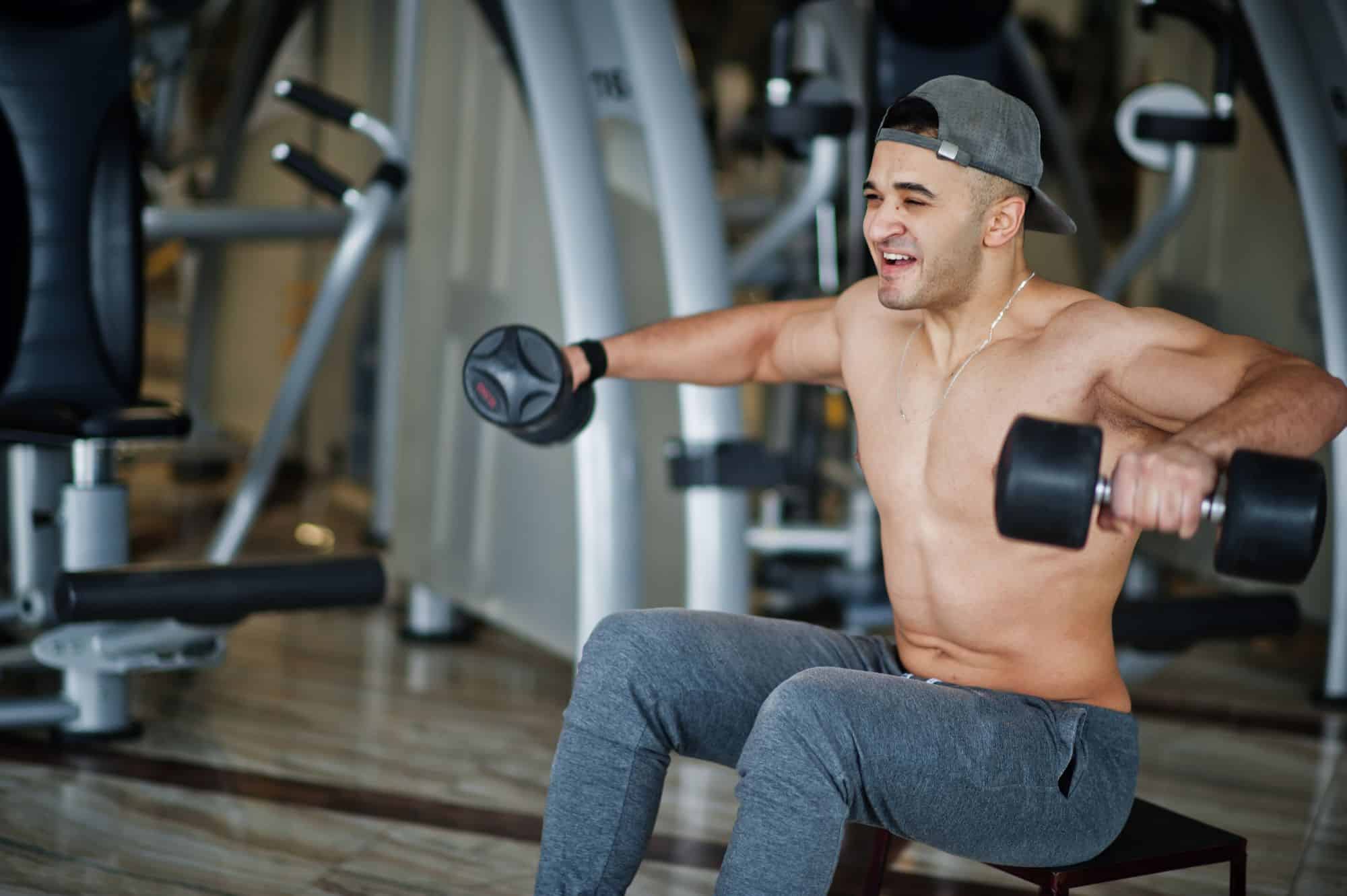
The seated lateral raise is an essential exercise for anyone looking to build and define their shoulder muscles. In this article, we’ll explore the benefits, correct form, and variations of this effective routine. Whether you are a beginner or an experienced gym-goer, the seated lateral raise can be a vital component of your workout regimen.
Benefits of the Seated Lateral Raise
The seated lateral raise focuses primarily on the lateral deltoids, which are critical for achieving that coveted shoulder width and overall definition. Additionally, it targets the supraspinatus muscle, part of the rotator cuff, which helps in maintaining shoulder stability.
This exercise is particularly advantageous for isolating the shoulder muscles without involving the lower body, as you have less room to use momentum compared to standing variations. As a result, you achieve a more focused workout on your shoulders, ensuring that the muscles do the bulk of the work rather than relying on other parts of your body.
How to Perform the Seated Lateral Raise
Executing the seated lateral raise with proper form is crucial to maximize its benefits and minimize any risk of injury. Here’s a step-by-step guide:
- Setup: Sit upright on a bench with your feet flat on the floor. Hold a dumbbell in each hand with a neutral grip, resting them on your thighs.
- Starting Position: Keep your core engaged and your back straight. Slightly bend your elbows and maintain this angle throughout the exercise.
- Execution: Exhale as you lift the dumbbells to the side until your arms are parallel to the floor. Keep your palms facing down throughout the motion.
- Control: Inhale as you slowly lower the weights back to the starting position.
- Repetitions: Aim for 3 sets of 10-15 repetitions, depending on your fitness level and goals.
Variations of the Seated Lateral Raise
To keep your workout routine challenging and engaging, consider incorporating variations of the seated lateral raise:
- Single-Arm Seated Lateral Raise: Perform the exercise with one arm at a time to improve muscle imbalances and enhance focus on individual shoulder isolation.
- Incline Seated Lateral Raise: Sit on an incline bench to target different angles of the deltoid muscles, challenging them in new ways.
- Cable Machine Seated Lateral Raise: Using a cable machine can provide constant tension throughout the range of motion, increasing the exercise’s effectiveness.
Conclusion
The seated lateral raise is an excellent exercise for strengthening and shaping the shoulders, suited for individuals of all fitness levels. Incorporating this targeted movement into your routine can enhance shoulder aesthetics and contribute to improved shoulder stability and strength (Healthline).
By varying your routine with different forms of the lateral raise, you can prevent plateaus and maintain interest in your workouts. Always prioritize correct form and avoid using weights that compromise your ability to perform the exercise properly.
FAQs
What muscles does the seated lateral raise work?
The seated lateral raise primarily targets the lateral deltoids and the supraspinatus muscle, aiding in shoulder definition and stability.
Can beginners perform the seated lateral raise?
Yes, beginners can perform the seated lateral raise. It’s recommended to start with lighter weights to master the form before progressing to heavier weights.
How often should I include seated lateral raise in my workout routine?
Aim to include seated lateral raises once or twice a week as part of a balanced shoulder workout routine. Ensure adequate rest between sessions (Bodybuilding.com).
BIG SALE | FAST SHIPPING
HOT PROMOTIONS!


ZPHC Clomid Clomiphene 25mg/tablet | 100 Tablets Total: 2500mg

Original price was: $ 159.00.$ 65.00Current price is: $ 65.00.







The seated lateral raise is an effective strength training exercise that targets the shoulder muscles, specifically the lateral deltoids. By performing this exercise while seated, you can minimize the use of momentum and better isolate the shoulder muscles, leading to improved muscle engagement and growth. Seated lateral raises involve holding a dumbbell in each hand with a neutral grip and lifting the arms to the sides, maintaining a slight bend in the elbows, until they are parallel to the floor. This posture helps to stabilize the upper body and concentrate effort on the shoulder region, which can enhance muscle definition and strength. Additionally, it is important to select an appropriate weight and focus on controlled movements to maximize benefits and reduce the risk of injury. Proper form includes sitting upright with good posture, engaging the core, and avoiding shrugging the shoulders, which ensures the target muscles are effectively worked.