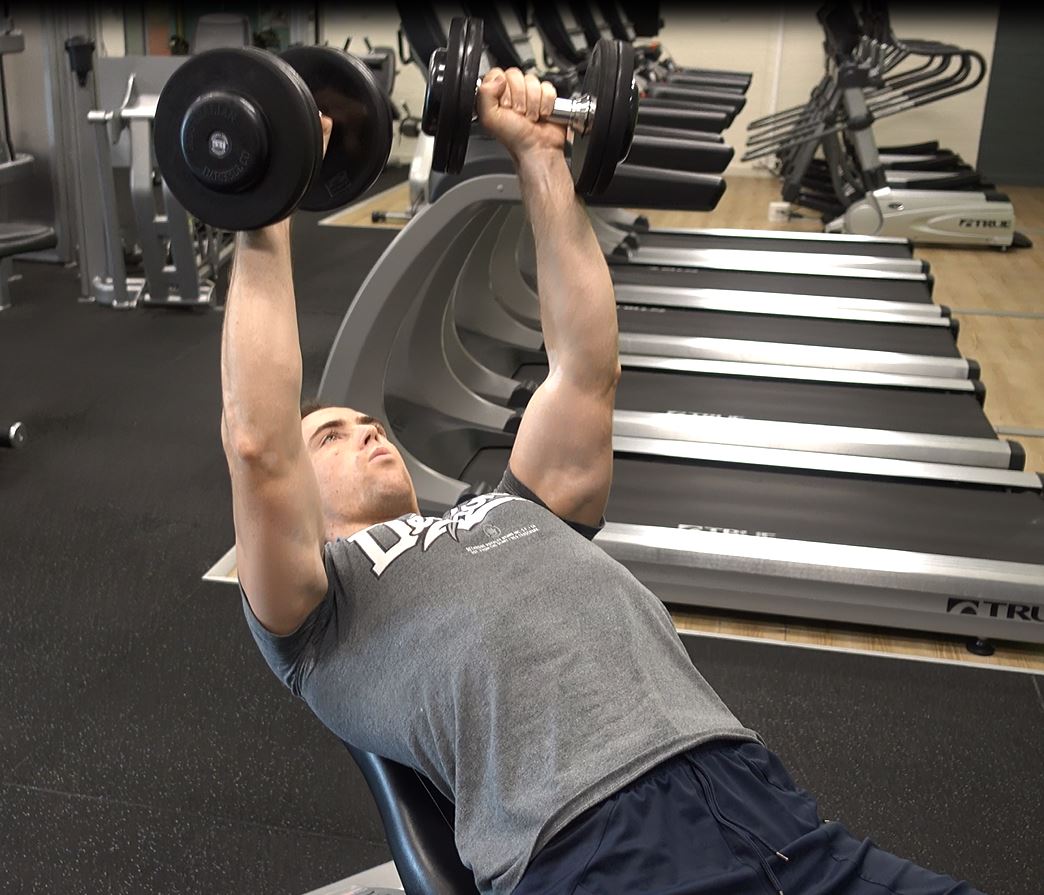
Boost Your Upper Body Strength: Master the Incline DB Press
TABLE OF CONTENTS

The incline dumbbell press is a staple in any serious weightlifter’s routine. It targets the upper chest, shoulders, and triceps, offering a balanced development that the traditional flat bench press may not fully provide. By varying the angle and incorporating dumbbells instead of a barbell, this exercise allows for a greater range of motion and can help prevent muscle imbalances.
Benefits of the Incline Dumbbell Press
Focusing primarily on the upper part of the pectoral muscles, the incline dumbbell press can create a well-defined and muscular chest. There are several benefits worth noting:
Enhanced Muscle Engagement
By raising the bench, the incline puts additional strain on the upper chest muscles. This engagement aids in substantial muscle growth and improves your overall upper body strength. The use of dumbbells also means that each side of your body has to work equally hard, compelling your stabilizers to engage more thoroughly.
Improved Range of Motion
Dumbbells provide a wider range of motion compared to a barbell, which means that the incline dumbbell press can engage more muscle fibers and effectively stimulate growth.
Increased Core Activation
Maintaining stability during this exercise engages your core muscles. This added benefit not only enhances your lifting performance but also contributes to overall core strength.
Proper Form and Technique
Executing the incline dumbbell press with correct form is critical to reaping its benefits and minimizing the risk of injury.
-
- Setup: Start by setting an adjustable bench to an incline between 30 to 45 degrees. Grasp a set of dumbbells and sit firmly on the bench with feet planted on the floor.
-
- Starting Position: Press the dumbbells up and bring them to shoulder height with your palms facing forward. Keep your back slightly arched, core tight, and shoulder blades pinned against the bench.
-
- Execution: Inhale as you slowly lower the dumbbells, keeping your elbows at a 45-degree angle relative to your torso. Lower until your elbows are slightly below your chest.
-
- Press: Exhale while pressing the dumbbells back to the starting position, ensuring you squeeze your chest muscles at the top.
It’s crucial to control the movement throughout the exercise to target the right muscles and prevent injury.
For more information on workout safety and techniques, visit Bodybuilding.com or Examine.com.
Conclusion
The incline dumbbell press offers a highly effective way to enhance your upper body development. By incorporating this exercise into your routine, you can enjoy a more balanced chest, increased core activation, and better muscle engagement. Ensure you perform the exercise with proper form to fully benefit and avoid injury.
FAQs about Incline Dumbbell Press
How often should I include the incline dumbbell press in my workout?
Incorporating it into your workout routine 1-2 times per week is usually sufficient. It’s important to allow adequate rest for muscle recovery.
What is the best incline angle for the dumbbell press?
A bench angle between 30-45 degrees works well, with the 30-degree angle being optimal for most individuals to target the upper chest effectively.
Can beginners perform the incline dumbbell press?
Yes, beginners can perform this exercise, but lighter weights and proper guidance are recommended to ensure proper form and technique.
Should I use heavier weights for incline dumbbell press?
Start with lighter weights to master the form, gradually increasing the weight as your strength improves.
BIG SALE | FAST SHIPPING
HOT PROMOTIONS!








Beligas 10ml Vial Testosterone NPP Blend 150mg

Original price was: $ 119.00.$ 99.00Current price is: $ 99.00.
Incline dumbbell press is a highly effective upper body exercise that primarily targets the upper portion of the pectoral muscles, while also engaging the triceps and shoulders. By adjusting a weight bench to an incline, usually set between 30 to 45 degrees, this variation intensifies the workload on the upper chest compared to the traditional flat bench press. Holding a dumbbell in each hand, lifters start with weights positioned near the shoulders and engage their core to stabilize the body throughout the movement, pressing the dumbbells upward and inward until the arms are fully extended. This exercise not only helps in building chest strength and muscle mass but also enhances muscular symmetry and balance because each side of the body works independently to manage the weights. Additionally, the incline position reduces strain on the shoulder joints, making it a safer alternative for individuals who might be prone to shoulder issues. Its versatility allows for various adjustments in angle and hand positioning, catering to different fitness levels and emphasizing different portions of the chest muscles.