Boxing Rounds Explained: Amateur Bouts to Championship Fights
TABLE OF CONTENTS

Boxing, an exhilarating sport characterized by its intense displays of skill, strategy, and endurance, has captivated audiences worldwide for over a century. One essential aspect of professional boxing that often sparks questions is how many rounds boxing matches typically have. This factor significantly impacts fighters’ conditioning, strategy, and the audience’s excitement. In this article, we will delve into the factors determining the number of rounds, the variations between different types of boxing matches, and how these factors influence the sport.
How Many Rounds Are in Professional and Amateur Boxing?
Traditionally, professional boxing matches are structured to last 12 rounds. The number of rounds was reduced from 15 to 12 in the 1980s for safety reasons, following several high-profile injuries and fatalities. Typically, each round is three minutes long, with a one-minute rest period between rounds.
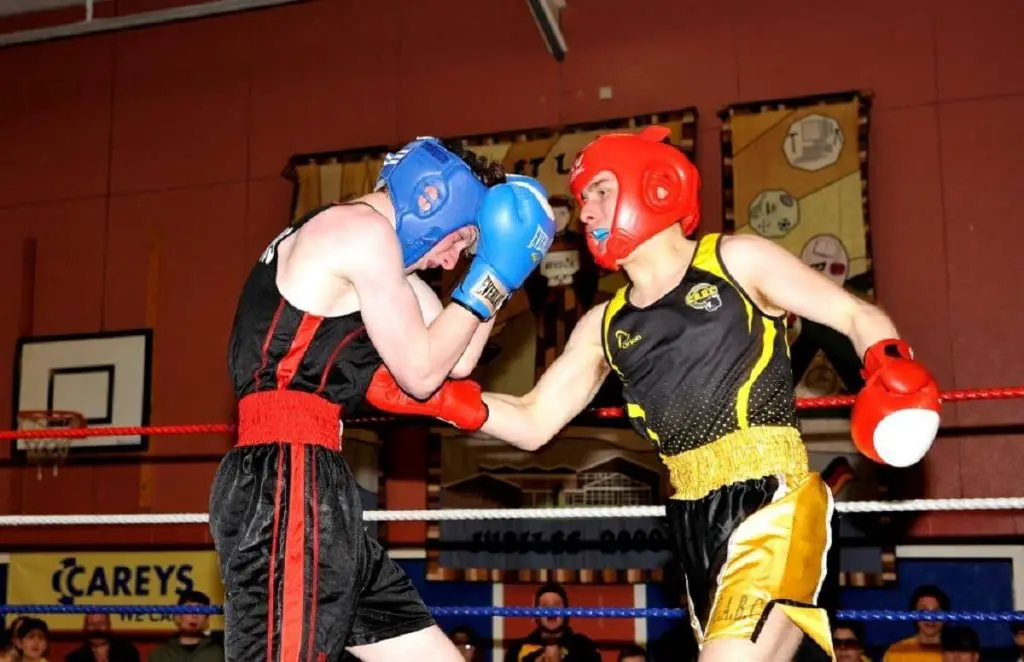
Amateur boxing, usually seen in events like the Olympics, has its own format. These matches tend to last only three rounds, each rounded lasting three minutes, emphasizing skill and technique over time. This shorter format is often designed to protect younger or less experienced boxers from prolonged exposure to physical harm while allowing them to demonstrate their prowess.
Factors Influencing How Many Rounds Boxing Matches Have
The number of rounds in a boxing match is influenced by several factors:
-
- Type of Boxing Match: Generally, championship bouts are scheduled for 12 rounds, whether in professional or amateur leagues. However, non-title professional matches can be shorter, often ranging from four to ten rounds. Additionally, lower-ranked fighters or those just beginning their careers usually fight shorter bouts.
-
- Boxing Promotions and Commissions: The regulations set forth by different boxing commissions and promoters often govern how many rounds boxing matches will have. Each state or country may have its own governing rules that can dictate changes based on the match or the fighters involved.
-
- Safety and Health Concerns: Over the years, the sport’s regulatory bodies have prioritized fighter safety. The concern for long-term health risks associated with prolonged exposure to head trauma has also contributed to determining how many rounds are prevalent in boxing today.
Conclusion
In conclusion, how many rounds boxing matches have is not a simple number but rather a carefully regulated decision influenced by the match type, fighter experience, safety concerns, and promotions. While 12 is the standard for professional championship bouts, variations exist to accommodate different levels of competition and ensure boxer safety. Understanding these nuances not only provides a better appreciation for the sport but also contributes to the overall spectator experience.
For more insights into the world of boxing and its various formats, visit Boxing News and World Boxing Association.
BIG SALE | FAST SHIPPING
HOT PROMOTIONS!



STADA MEGA CUTS BLEND 300 MG 10ML (TRENBOLONE)
Original price was: $ 129.00.$ 119.00Current price is: $ 119.00.




Fierce nandrolone decanoate 300 / ml 10ml

Original price was: $ 131.00.$ 119.00Current price is: $ 119.00.

FAQs
What is the typical number of rounds in professional boxing?
In professional boxing, the standard number of rounds for championship bouts is 12. Non-title matches may vary between four to ten rounds, depending on the promoter and the fighters’ experience levels.
Why were boxing rounds reduced from 15 to 12?
The reduction from 15 to 12 rounds was primarily a decision made for safety reasons. The change was partly due to tragic incidents and increased awareness of the long-term health effects of repeated head trauma.
How many rounds are there in amateur boxing?
Amateur boxing matches typically have three rounds, each lasting three minutes. This format emphasizes skill and technique, protecting amateur fighters from excessive physical harm over longer periods.
Do all boxing matches have the same number of rounds?
No, the number of rounds in boxing matches can vary based on several factors, including whether the match is for a title, the fighters’ experience levels, and the regulations of the boxing commission or promotions involved.
In professional boxing, a standard bout typically consists of 12 rounds, with each round lasting three minutes and a one-minute rest period between rounds. This format has been in place since the 1980s for championship fights, following a decision to reduce the round length from the previous standard of 15 rounds, largely due to concerns about fighter safety and the physical toll of enduring such prolonged combat. Non-championship professional fights can vary, often featuring 4, 6, 8, or 10 rounds, depending on the fighters’ experience and the significance of the bout. Amateur boxing, such as that conducted in the Olympics, is usually shorter, with 3 rounds of three minutes each, and places a greater emphasis on technique and speed compared to the endurance-focused nature of longer professional contests. This structuring of rounds in boxing is designed to balance the excitement and competitiveness of the sport with the athletes’ safety and well-being.