BPC-157: Could This Peptide Boost Dopamine Levels?
TABLE OF CONTENTS

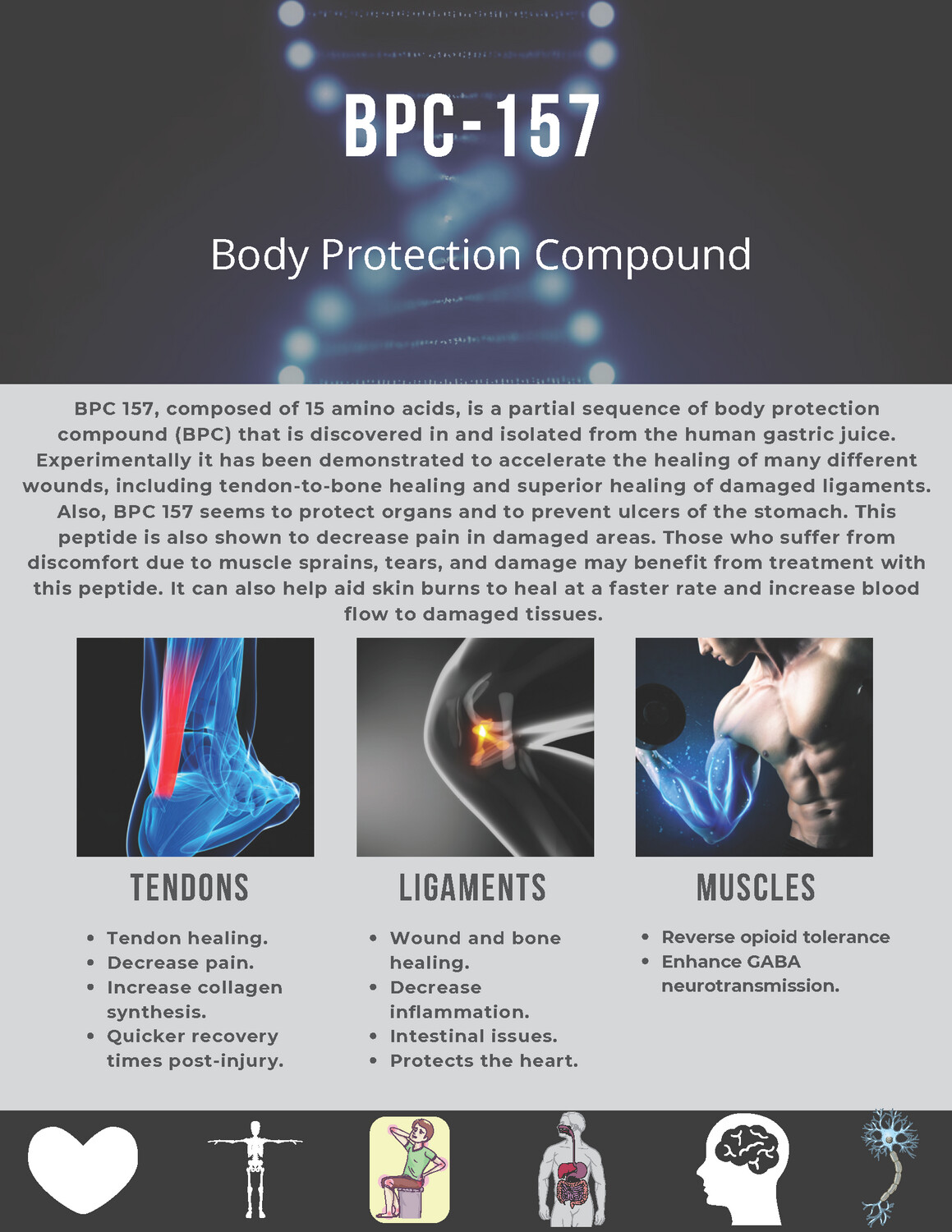
In recent years, the exploration of various peptides for their potential in medical science has gained substantial traction. Among these compounds, BPC 157 has garnered significant attention due to its widespread therapeutic potential. Originally recognized for its regenerative properties, BPC 157 is now being studied for its possible effects on the brain’s dopamine system.
Understanding BPC 157 and Dopamine Interaction
BPC 157, a peptide consisting of 15 amino acids, is a pentadecapeptide with remarkable healing properties that originate from its ability to enhance the regenerative processes within the body. Initially, it was primarily studied for healing gastric ulcers, but its range of potential applications soon broadened to include therapies for tendon and ligament injuries, alongside other inflammatory conditions.
Dopamine, a crucial neurotransmitter, plays a vital role in the brain’s reward and pleasure centers. It regulates movement and emotional responses, which makes it a central element in conditions such as Parkinson’s disease and depression. The potential interaction between BPC 157 and dopamine offers a promising line of investigation into alternative treatments for such neurological disorders.
BPC 157 Dopamine: Current Studies and Findings
The intersection of BPC 157 with the dopamine system has been a focus of scientific inquiry. Several animal studies suggest that BPC 157 might influence dopamine pathways, potentially offering neuroprotective effects. It has been observed that BPC 157 can modulate the release of dopamine, which might help reduce the symptoms associated with dopamine dysfunction, including motor abnormalities and mood disorders.
Further research is required to fully understand the mechanisms by which BPC 157 affects dopamine pathways, but current findings indicate that it could serve as a novel therapeutic avenue for various neurodegenerative and psychiatric conditions.
Conclusion
BPC 157 holds promise as a therapeutic agent beyond its initial scope of use. Its potential effects on the dopamine system highlight an exciting new chapter in the search for effective treatments of neurological and psychiatric disorders. As research progresses, BPC 157 may emerge as a key player in neuroprotection, offering hope to many who suffer from conditions related to dopamine imbalance.
BIG SALE | FAST SHIPPING
HOT PROMOTIONS!
CROWX 👑 CLOMIROW 50 Mg / 50 Tabs ( Clomid )
Original price was: $ 79.00.$ 69.00Current price is: $ 69.00.




FAQs
What is BPC 157?
BPC 157 is a synthetic peptide derived from a protein found in human gastric juice. It has been researched for its various therapeutic properties, particularly in healing tissues and modulating inflammatory responses.
How does BPC 157 affect dopamine?
Studies indicate BPC 157 may influence dopamine pathways, potentially offering benefits for conditions related to dopamine dysfunction such as Parkinson’s disease and depression.
Is BPC 157 safe for use?
Research into BPC 157 is ongoing, and while preliminary studies show promise, comprehensive clinical trials are necessary to confirm its safety and efficacy for widespread use.
BPC 157, a synthetic peptide derived from a protein found in gastric juice, has been the subject of various studies for its potential therapeutic effects, particularly in relation to the modulation of dopamine. This peptide is noted for its regenerative properties and ability to promote healing, which extends to its neuroprotective effects. Research suggests that BPC 157 may influence dopamine pathways, helping to stabilize and balance dopamine activity in the brain. This could be particularly beneficial in conditions characterized by dopamine dysregulation, such as Parkinson’s disease, depression, and addiction. Preliminary studies indicate that BPC 157 might enhance the survival of dopamine neurons and support dopamine release, potentially offering a novel approach to managing neurological and psychiatric disorders. However, clinical studies are necessary to fully understand its efficacy and safety profile in humans.