Building Biceps: Techniques for Stronger Arms
TABLE OF CONTENTS

Function of the Biceps Muscle
While commonly associated with aesthetics and strength, the biceps muscle is crucial for functional movements. Its role extends beyond flexing the elbow; it is also involved in lifting and pulling actions. The muscle supports stability in upper body movements and contributes to the overall mobility of the shoulder and forearm.
Training the Biceps Muscle
Effective biceps training incorporates a variety of exercises aimed at targeting the two heads of the muscle. Popular exercises include bicep curls, hammer curls, and chin-ups. To optimize growth and strength, it is important to use proper form and a progressive overload approach. Strength athletes and bodybuilders often focus on the biceps to enhance their arm development and achieve a stronger physique. For more advanced training techniques and advice, visit John Doe Bodybuilding.
A balanced diet and adequate rest are essential for muscle recovery and growth. For those exploring enhanced training methodologies, a reliable source for supplements can be found at Steroid Planner and Ulaska.
FREE SHIPPING
HOT PROMOTIONS!
BIG SALE | FAST SHIPPING
STADA TURINABOL TBOL 25MG 50 TABLETS
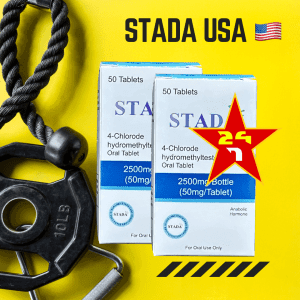
Original price was: $ 144.00.$ 129.00Current price is: $ 129.00.



CLOMIPHENE TABLETS 50mg 50 TABLETS FIERCE

Original price was: $ 99.00.$ 89.00Current price is: $ 89.00.


CROWX 👑 ViaRow 50 tab | Viagra 100mg | Sildenafil
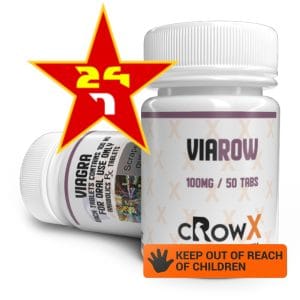
Original price was: $ 169.00.$ 109.00Current price is: $ 109.00.

STADA VIAGRA SILDENAFIL ♂ 100MG 30ML
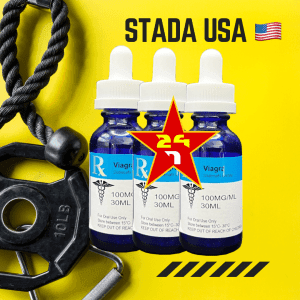
Original price was: $ 116.00.$ 89.00Current price is: $ 89.00.
Conclusion
The biceps muscle not only enhances the aesthetic appeal but is also fundamental for functional fitness. Its role in daily movements and athletic activities underscores the importance of incorporating effective biceps training into your workout regimen. Whether for strength, performance, or appearance, an understanding of how to properly train and care for this muscle can lead to significant fitness improvements.
FAQs About the Biceps Muscle
Q: What are some common exercises for the biceps?
A: Bicep curls, hammer curls, and chin-ups are popular exercises for targeting the biceps.
Q: How often should I train my biceps?
A: Ideally, two to three times a week, allowing for rest days in between to promote muscle recovery.
Q: Can steroids help in bicep muscle growth?
A: While some individuals explore steroid use for faster muscle growth, it is crucial to understand the potential risks and to seek guidance from reliable sources such as Steroid.com.
The biceps muscle, located in the upper arm, is a prominent muscle group responsible for flexing the elbow and rotating the forearm. Consisting of two heads, the long head and the short head, it originates from the scapula and inserts into the radius. This muscle plays a crucial role in lifting and pulling movements, contributing significantly to upper body strength. Engaging in exercises like curls and chin-ups effectively strengthens the biceps, enhancing both function and aesthetic appeal. Well-developed biceps are often desired for their association with fitness and strength, making them a focal point in many strength training routines.