
Can GLP-1 Agonists Really Preserve Muscle Mass in Aging Adults?
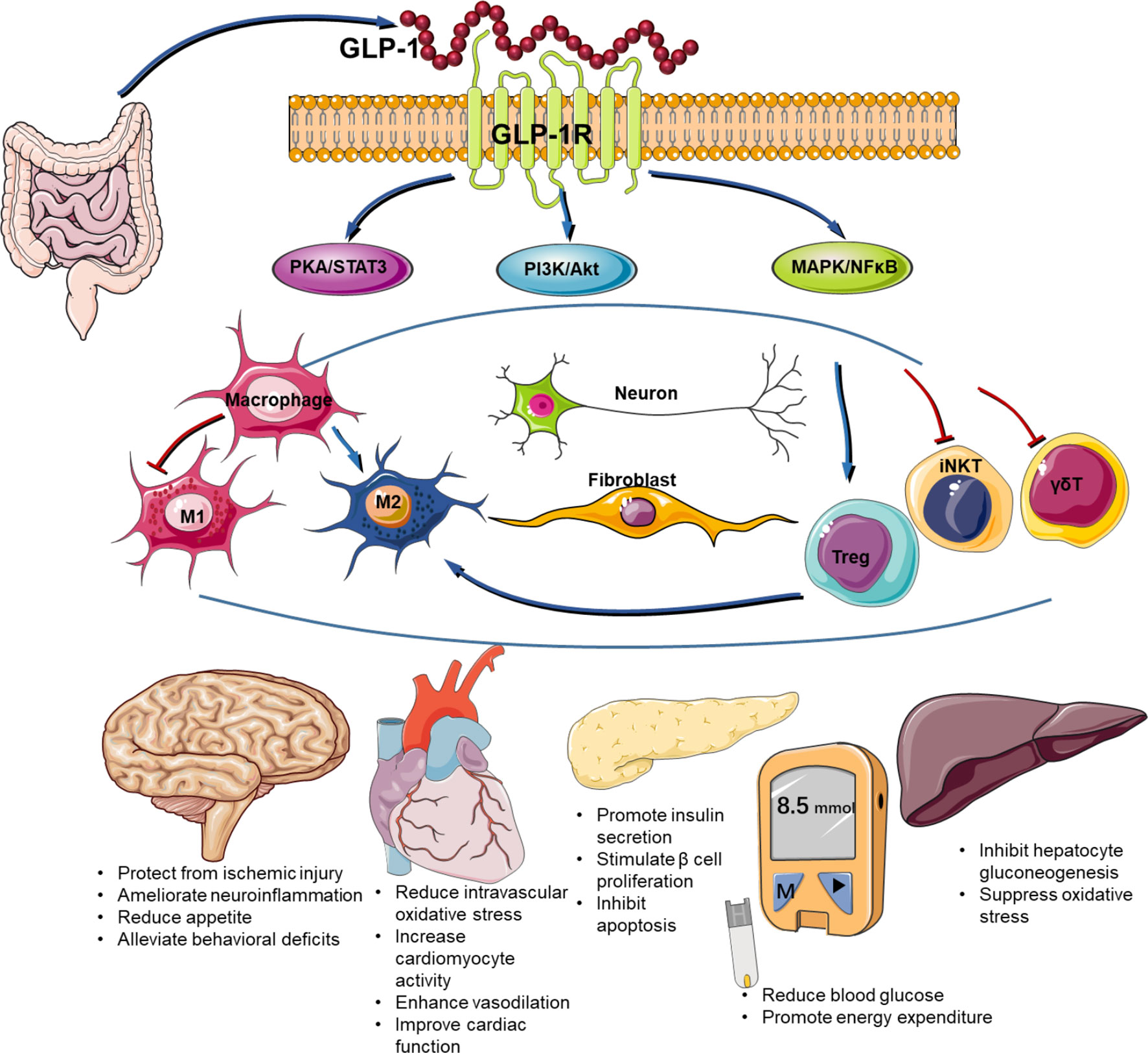
In the ever-evolving landscape of fitness and bodybuilding, the concept of muscle preservation is crucial, particularly during weight loss regimes. One promising area of research is GLP-1 muscle preservation. Glucagon-like peptide-1, or GLP-1, is gaining attention not just for its role in diabetes management but also for its potential in maintaining muscle mass while shedding excess weight.
Understanding GLP-1 Muscle Preservation
GLP-1 is an incretin hormone, primarily recognized for enhancing insulin secretion. Recent studies suggest that GLP-1 agonists, drugs that mimic this hormone, may aid in preserving muscle mass. This is especially beneficial for individuals undergoing calorie restrictions, as muscle loss is a common concern during such periods.
The mechanism behind GLP-1 muscle preservation seems to involve improving insulin sensitivity and promoting anabolic processes. These actions help in reducing protein breakdown and supporting muscle maintenance, even when the body is in a caloric deficit.
Benefits and Implications
- Fat Loss Without Muscle Loss: GLP-1 muscle preservation offers dual benefits. It aids in fat reduction while preserving lean muscle, crucial for metabolic health and physique aesthetics. This dual action is beneficial for those aiming to achieve a leaner body without sacrificing muscle tone.
- Fat Loss Without Muscle Loss: GLP-1 muscle preservation offers dual benefits. It aids in fat reduction while preserving lean muscle, crucial for metabolic health and physique aesthetics. This dual action is beneficial for those aiming to achieve a leaner body without sacrificing muscle tone.
- Enhanced Performance: By maintaining muscle mass, athletes and bodybuilders can experience better strength and performance levels, even when working towards fat loss goals. This can lead to more effective training sessions and better outcomes in competitive scenarios.
- Enhanced Performance: By maintaining muscle mass, athletes and bodybuilders can experience better strength and performance levels, even when working towards fat loss goals. This can lead to more effective training sessions and better outcomes in competitive scenarios.
- Improved Recovery: GLP-1 may contribute to better recovery post-workout, reducing the risk of injuries and strains by ensuring muscles remain strong and resilient.
Conclusion
While more research is needed, the implications of GLP-1 muscle preservation are promising. It suggests a future where individuals can pursue effective weight loss strategies without the fear of losing muscle mass. Integrating GLP-1 agonists into a comprehensive fitness plan might be the next step in revolutionizing how bodybuilders and fitness enthusiasts approach muscle preservation.
For more detailed insights into supplements and muscle maintenance strategies, visit Steroid Planner, Steroid.com, John Doe Bodybuilding, and Ulaska.
FREE SHIPPING
BIG SALE | FAST SHIPPING
HOT PROMOTIONS!
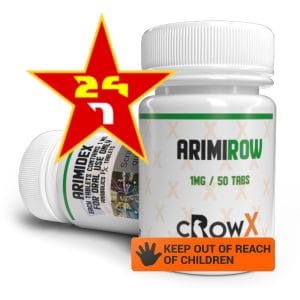
CROWX 👑 ARIMIROW 1 Mg / 50 Tabs ( Anastrozole )
Original price was: $ 119.00.$ 79.00Current price is: $ 79.00.
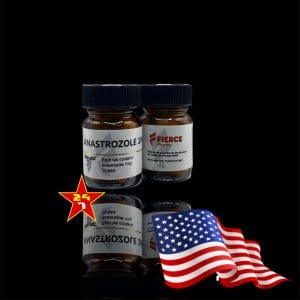
ANASTROZOLE 1MG FIERCE ARIMIDEX TABLETS 50 TABLETS
Original price was: $ 132.00.$ 121.00Current price is: $ 121.00.
TRENBOLONE ENANTHATE 200MG 10ML AUCTUS

Original price was: $ 259.00.$ 149.00Current price is: $ 149.00.
Fierce testosterone cypionate 250mg / ml 10ml

Original price was: $ 192.00.$ 139.00Current price is: $ 139.00.
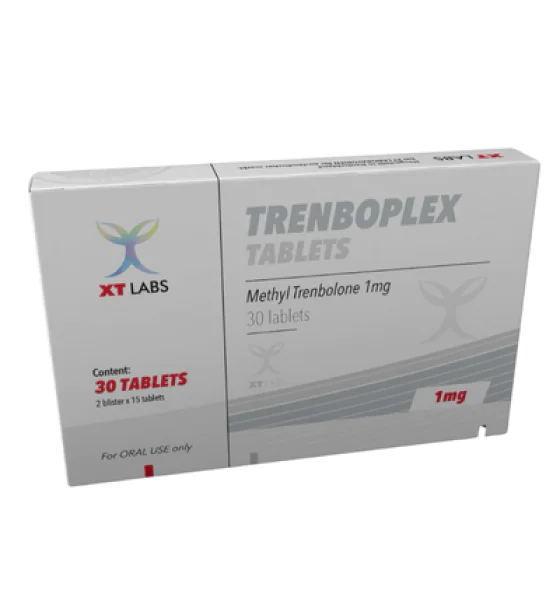
TRENBOPLEX 1mg XT Labs USA
Original price was: $ 199.00.$ 98.00Current price is: $ 98.00.

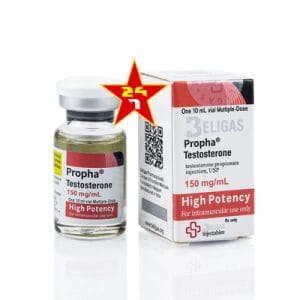
Beligas 10ml Vial Propha Testosterone Propionate 150mg
Original price was: $ 179.00.$ 89.00Current price is: $ 89.00.
FAQs
What is GLP-1?
GLP-1 (Glucagon-like peptide-1) is a hormone that plays a significant role in regulating blood sugar levels and is now being explored for its muscle-preserving properties.
How does GLP-1 help in muscle preservation?
GLP-1 enhances insulin sensitivity and promotes anabolic processes, which can reduce protein breakdown and support muscle maintenance.
Are there any side effects of using GLP-1 agonists?
As with any medication, GLP-1 agonists can have side effects, including nausea and gastrointestinal discomfort. It’s important to consult with a healthcare provider for personalized advice.
Who can benefit from GLP-1 muscle preservation?
Athletes, bodybuilders, and individuals undergoing calorie-restricted diets can particularly benefit from the muscle-preserving effects of GLP-1.
GLP-1, or glucagon-like peptide-1, has gained attention for its potential role in muscle preservation, particularly in the context of metabolic health and aging. Primarily known for its ability to enhance insulin secretion and promote glucose homeostasis, recent research suggests that GLP-1 may also positively influence muscle mass and function. This effect could be linked to its capacity to modulate inflammatory pathways and improve blood flow and nutrient delivery to muscle tissues. Additionally, GLP-1’s role in appetite regulation and weight management might indirectly support muscle preservation by encouraging healthier body composition. These multifaceted benefits position GLP-1 as a promising avenue for maintaining muscle health, especially in populations vulnerable to muscle degradation.