How to build more chest thickness
Introduction
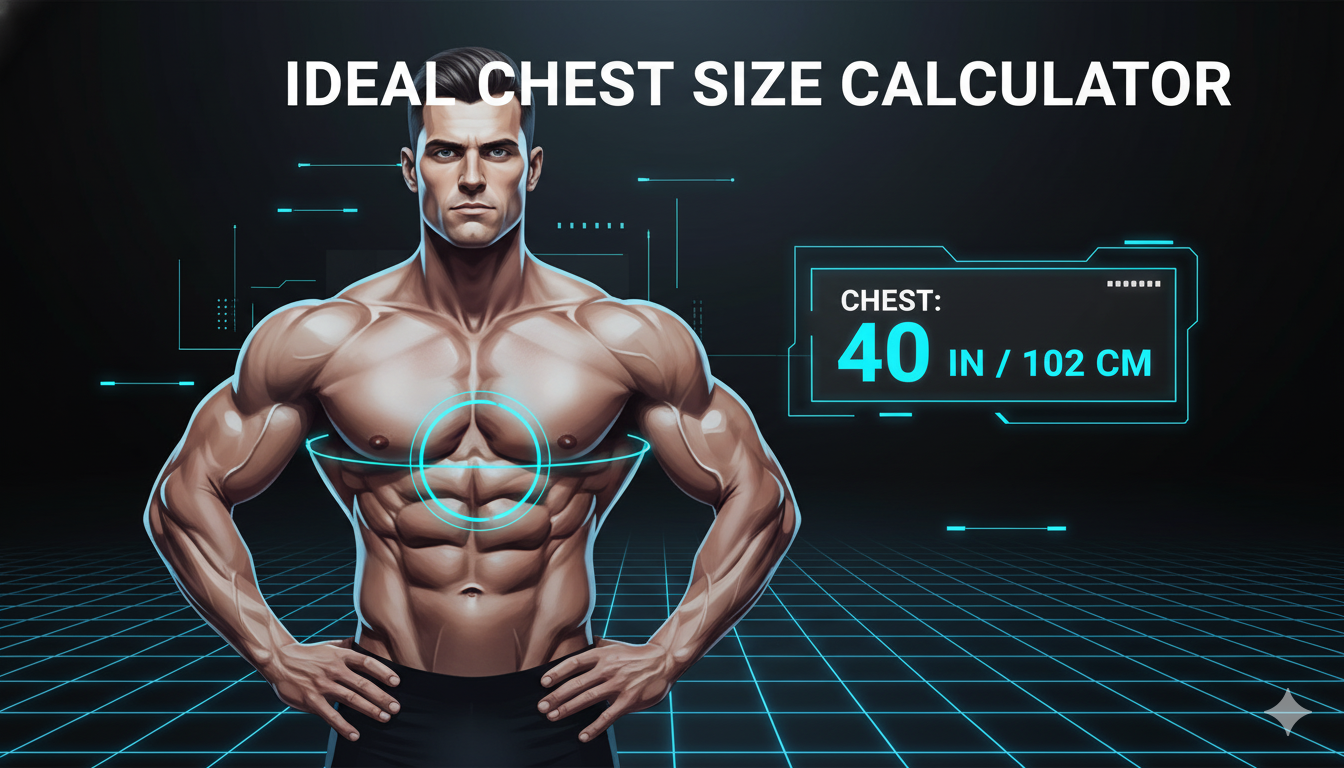
For serious bodybuilders looking to enhance their physique, building chest thickness is a key objective. A well-developed chest not only contributes to a more muscular appearance but also improves overall shoulder stability and strength. This article delves into various strategies and techniques that experienced lifters can employ to achieve impressive chest thickness, integrating training principles, nutritional strategies, and the role of anabolic enhancement in chest development.
Understanding Chest Anatomy
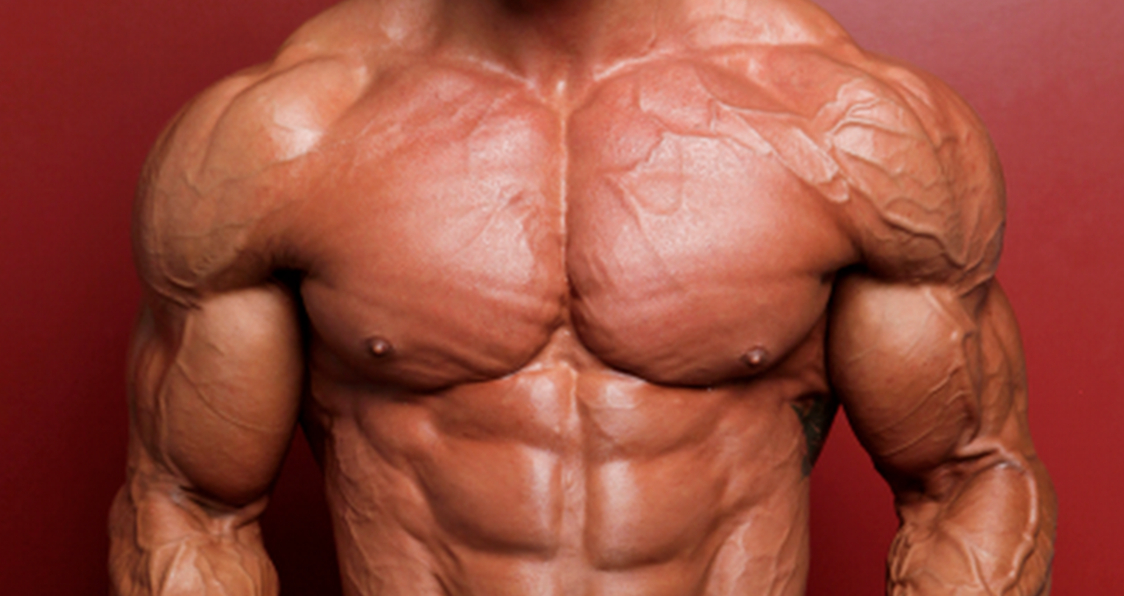
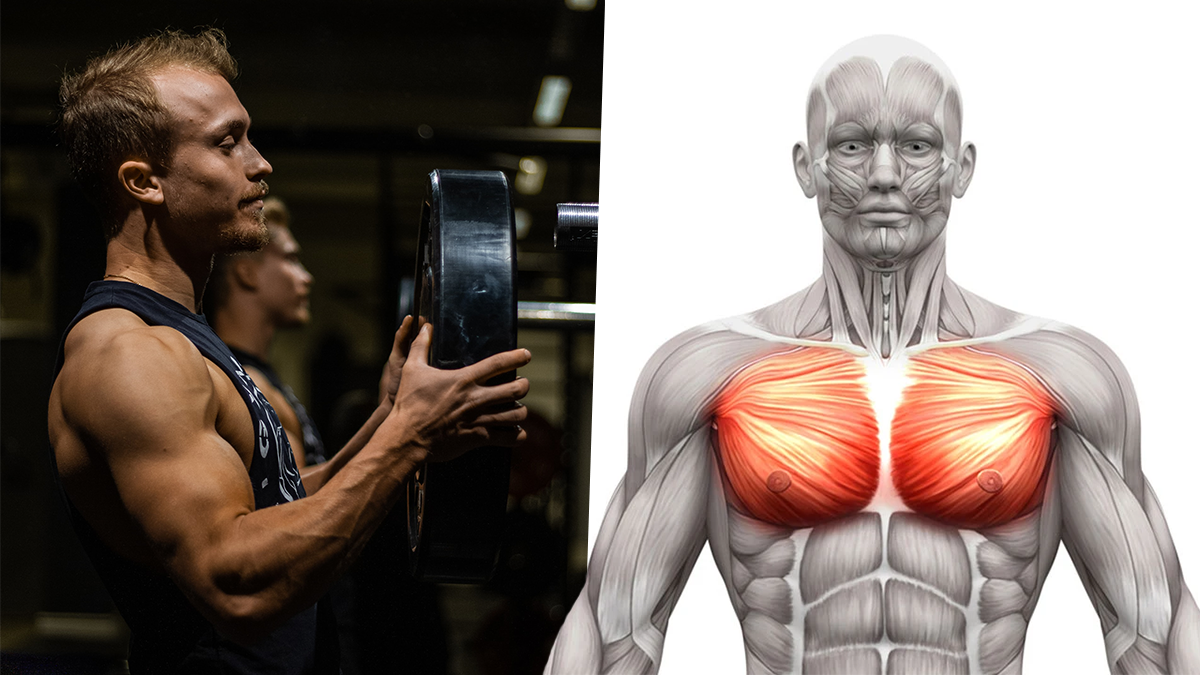
Before we dive into specific training techniques, it’s important to understand the muscle groups involved in chest development. The pectoralis major and minor are the two primary muscles that make up the chest. The pectoralis major is further divided into the upper (clavicular) and lower (sternocostal) portions, both of which contribute to overall chest size and thickness.
Key Muscle Groups
- Pectoralis Major: This large muscle covers much of the front chest. Its upper part is responsible for shoulder flexion and adduction, while the lower part assists with shoulder extension and internal rotation.
- Pectoralis Minor: A smaller muscle that lies beneath the pectoralis major, aiding in scapular stability and movement.
- Triceps Brachii: Although primarily a muscle of the upper arm, the triceps assist in pressing movements that are vital for chest development.
Essential Training Techniques for Chest Thickness
Building chest thickness requires a combination of heavy lifting, varied angles, and a focus on progressive overload. Below are the most effective training techniques to achieve this goal.
Heavy Pressing Movements
Heavy compound movements are the cornerstone of any serious chest development regimen. Focus on incorporating the following lifts:
- Bench Press: A staple in any bodybuilder’s program, the flat bench press targets both the upper and lower portions of the pectoralis major. Use both barbell and dumbbells for variances.
- Incline Bench Press: Targeting the upper chest, incline presses can be performed with either a barbell or dumbbells and should be a priority in your workout plan.
- Decline Bench Press: This lift focuses more on the lower chest. It’s beneficial to balance your training by including decline movements.
Isolation Exercises
In addition to compound movements, isolation exercises can further enhance chest thickness by targeting specific muscle fibers:
- Chest Fly: Performed on a flat, incline, or decline bench, chest flys help improve muscle stretch and contraction.
- Pec Deck Machine: This machine isolates the chest muscles well for concentrated tension, particularly useful in high-rep training days.
Training Frequency and Volume
Maximizing chest thickness requires not only the right exercises but also the optimal training frequency and volume.
Frequency
Most advanced bodybuilders benefit from training their chest at least twice a week. This allows for sufficient stimulus and recovery time. Ensure that your overall workout plan accommodates rest for the targeted muscle groups.
Volume and Intensity
High volume training (8-12 sets per week) at moderate to high intensity (70-85% of your one-rep max) can induce hypertrophy. Incorporating drop sets, supersets, and rest-pause techniques can further increase training intensity and volume.
Nutritional Strategies for Chest Development
Alongside a rigorous training regimen, nutrition plays a pivotal role in muscle recovery and growth. The following tips can optimize your nutritional strategy for chest thickness:
Protein Intake
Maintaining adequate protein intake is critical for muscle repair and growth. Aim for at least 1.6-2.2 grams of protein per kilogram of body weight. Quality protein sources include:
- Lean meats (chicken, turkey, beef)
- Fish (salmon, tuna)
- Dairy products (Greek yogurt, cottage cheese)
- Protein supplements (whey, casein)
Caloric Surplus
For optimal muscle growth, a caloric surplus is essential. This means consuming more calories than you expend. Focus on nutrient-dense foods that provide the necessary caloric intake without excessive fat gain.
Supplementation
Supplemental aids can enhance muscle recovery and growth. Consider:
- Creatine: Known for its ability to increase strength and power outputs during heavy lifts.
- BCAAs: These can help reduce muscle soreness and promote quicker recovery between workouts.
- Protein Powders: Convenient for meeting daily protein goals, especially post-workout.
The Role of Anabolic Enhancements
The use of anabolic steroids or other enhancements is prevalent in professional bodybuilding. When considering these options, it’s crucial to understand their potential effects on muscle growth, recovery, and overall performance.
Common Steroids for Chest Development
Some of the most commonly used anabolic steroids for promoting muscle growth include:
- Testosterone: The king of all steroids; it significantly aids muscle growth and recovery.
- Trenbolone: Known for its potent muscle-building effects, particularly beneficial for experienced users.
- Deca Durabolin: Great for joint health while promoting mass gains, it can enhance overall training capacity.
Considerations and Caution
It’s vital to approach anabolic use responsibly. Potential side effects, health risks, and legal concerns should be seriously considered. Educating yourself and consulting with professionals in the field can help minimize risks.
Frequently Asked Questions
How often should I train my chest for maximum thickness?
For optimal results, training your chest twice a week with a mix of both compound and isolation exercises is recommended. Ensure to incorporate enough volume and allow for recovery between sessions.
What exercise variations should I include in my routine?
Your routine should ideally include a mix of flat, incline, and decline presses, complemented by fly movements. This variety targets different parts of the chest for balanced development.
Does my diet really affect chest growth?
Absolutely. A diet rich in protein and a caloric surplus is essential for supporting muscle repair and growth after your workouts. Focus on nutrient-dense foods to ensure optimal recovery.
What are the best supplements for chest development?
Supplements like protein powders, creatine, and BCAAs can greatly assist in recovery and promote muscle growth when combined with a proper diet and training regimen.
Conclusion
Building chest thickness is a multifaceted endeavor that involves targeted training strategies, proper nutrition, and, for some, careful consideration of anabolic enhancements. By focusing on heavy compound lifts, varying your workout regimen, and supporting your efforts with a strong nutritional foundation, you can maximize your results in chest development. Always prioritize your health and consult professionals when considering anabolic options. The road may be long, but with the right strategy, significant gains await.
FREE SHIPPING
CLICK HERE!
HOT PROMOTIONS!
Anavar 10mg x 100 (take 3 get 4 Save $149/ Your price per box=$104)

Original price was: $ 239.00.$ 149.00Current price is: $ 149.00.


CYT 3 6MG | T3 | Yohimbe | Clen | Weight Loss Blend | 100 Tablets Total Kit 600mg
$ 71.00
STADA TESTOSTERONE CYPIONATE 300MG 10ML
Original price was: $ 239.00.$ 129.00Current price is: $ 129.00.