

Can Low Testosterone Levels Contribute to Anxiety?

In recent times, there’s been a growing interest in understanding the impact of hormones like testosterone on mental health. A common question that emerges in this exploration is: can low testosterone cause anxiety? This article delves into the relationship between testosterone levels and anxiety, examining how a deficiency might contribute to heightened anxiety symptoms.
Understanding Testosterone and Its Role
Testosterone is a crucial hormone in the body, primarily associated with male health, but also present in females, albeit in lower quantities. It plays a significant role in maintaining muscle mass, bone density, and sexual health. However, testosterone’s influence isn’t confined to physical attributes. The hormone also impacts mood regulation, emotional well-being, and cognitive functions. When testosterone levels drop, particularly in men as they age, various physical and psychological issues can arise.
Can Low Testosterone Cause Anxiety?
The connection between testosterone deficiency and anxiety is not merely a theoretical discussion. Several studies and medical observations suggest that declining hormone levels can influence one’s mental state, potentially leading to anxiety disorders. Testosterone helps modulate the neurotransmitters in the brain, such as serotonin and dopamine, which are critical in mood stabilization. A decrease in these neurotransmitters due to low testosterone can result in heightened anxiety, depression, and even irritability.
The Symptoms and Their Impact
Individuals with low testosterone may experience a range of anxiety symptoms, such as increased nervousness, difficulty concentrating, and a general sense of unease or fear. The emotional imbalance is compounded by other symptoms of low testosterone, like fatigue, insomnia, and reduced libido, leading to a cascading effect on mental health.
Moreover, the psychological impact of dealing with physical symptoms, like reduced muscle mass or weight gain, can further exacerbate feelings of anxiety. Individuals may worry about their diminishing physical capabilities, leading to a pervasive state of concern or apprehension.
Treatment Options
If low testosterone levels are identified as a contributing factor to anxiety, several treatment options might be considered. Hormone Replacement Therapy (HRT) is a commonly used method to address deficiencies. This involves supplementing the body with testosterone to restore balance, often resulting in improved mood and reduced anxiety symptoms.
However, HRT should be approached cautiously and under medical supervision due to potential risks and side effects. For some individuals, a combination of therapy, lifestyle changes, such as exercise and diet adjustments, can effectively manage symptoms of anxiety without requiring hormone therapy. Engaging in regular physical activity, maintaining a balanced diet, and practicing stress management techniques like yoga or meditation can significantly enhance overall well-being.
Conclusion
In conclusion, the question “can low testosterone cause anxiety?” has found relevance in both scientific research and personal health narratives. While low testosterone can contribute to increased anxiety levels, it is essential to approach this condition holistically and under professional guidance. Exploring both medical and lifestyle interventions can lead to improved mental and physical health.
FAQs
What are the symptoms of low testosterone-related anxiety?
Symptoms may include persistent nervousness, restlessness, difficulty concentrating, mood swings, and general unease.
Is HRT the only solution for anxiety related to low testosterone?
No, HRT is one of several options. Lifestyle changes, such as increasing physical activity and improving diet, can also be effective.
Are there any risks associated with HRT?
Yes, Hormone Replacement Therapy can present risks such as blood clots, sleep apnea, and increased likelihood of heart issues. It’s crucial to discuss these with a healthcare provider.
For more information on testosterone and mental health, you can visit Mayoclinic.org or Healthline.
BIG SALE | FAST SHIPPING
HOT PROMOTIONS!
CLOMIPHENE TABLETS 50mg 50 TABLETS FIERCE

Original price was: $ 99.00.$ 89.00Current price is: $ 89.00.

ZPHC Clomid Clomiphene 25mg/tablet | 100 Tablets Total: 2500mg

Original price was: $ 159.00.$ 65.00Current price is: $ 65.00.
ZPHC UltraMix 10ml MultiUse Vial 1ml = 250mg
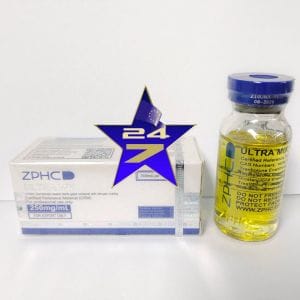
Original price was: $ 255.00.$ 179.00Current price is: $ 179.00.

CROWX 👑 CLOMIROW 50 Mg / 50 Tabs ( Clomid )

Original price was: $ 79.00.$ 69.00Current price is: $ 69.00.
STADA MEGA CUTS BLEND 300 MG 10ML (TRENBOLONE)

Original price was: $ 129.00.$ 119.00Current price is: $ 119.00.
Low testosterone, also known as hypogonadism, can potentially contribute to anxiety, among other psychological symptoms. Testosterone is a vital hormone in the body that influences various physical and emotional processes, and its deficiency can lead to mood swings, fatigue, and an increased susceptibility to stress. Research has suggested a correlation between low testosterone levels and heightened levels of anxiety and depression, although the exact mechanisms remain a subject of ongoing study. The hormonal imbalance caused by reduced testosterone can disrupt the regulation of mood and emotional responses, sometimes exacerbating anxiety symptoms. Men experiencing low testosterone might find themselves dealing with increased irritability, feelings of nervousness, and a decreased ability to cope with stress. Addressing hormonal imbalances through medical treatment can potentially alleviate these psychological symptoms, improving overall quality of life. However, it is essential for individuals to consult with healthcare professionals for accurate diagnosis and appropriate treatment.