

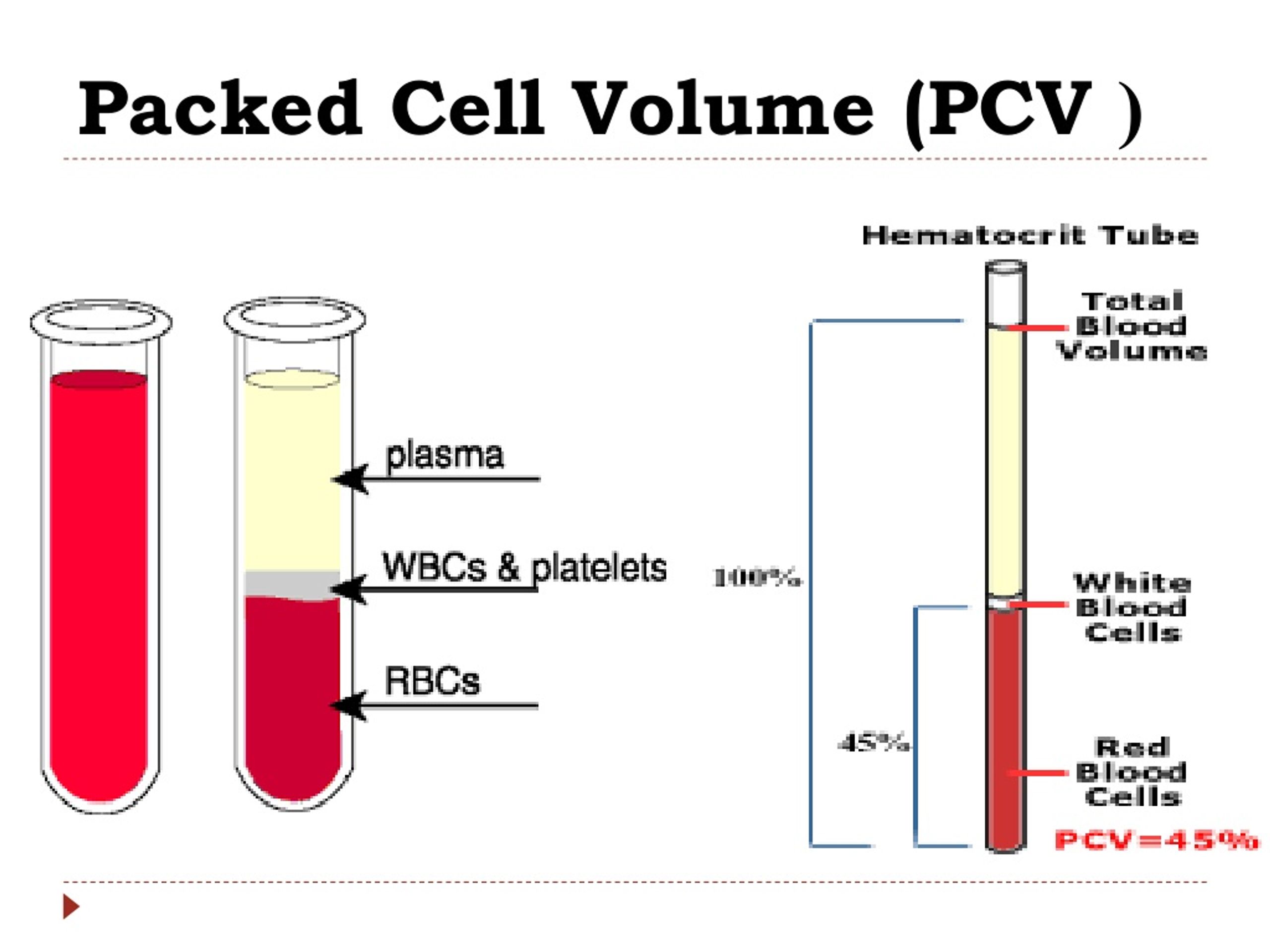
Cell Volume: What Your Blood Test Reveals About Your Health

Mean Cell Volume (MCV) is a critical component of a complete blood count test, offering insights into the size of red blood cells. Analyzing MCV helps healthcare providers diagnose and manage various conditions, particularly those related to anemia. This article delves into the significance of MCV, how it’s measured, its clinical implications, and what various MCV levels can indicate about an individual’s health.
Importance of Mean Cell Volume
MCV is crucial in providing valuable information about your red blood cells, which are responsible for transporting oxygen throughout your body. A standard value is typically between 80 to 100 femtoliters. Deviations from this range may suggest underlying health issues. Whether the MCV is higher or lower than normal can help pinpoint different types of anemia and other blood disorders.
Clinical Implications of MCV
Increased MCV
An increased MCV indicates that the red blood cells are larger than normal, a condition known as macrocytosis. Macrocytic anemia can result from deficiencies in vitamin B12 or folate, or it can be associated with liver disease, alcoholism, and hypoactive thyroid function. Learn more about macrocytic anemia here.
Decreased MCV
Conversely, a decreased MCV indicates microcytosis, where red blood cells are smaller. This often points to iron deficiency anemia, one of the most common nutritional deficiencies worldwide. Other causes of microcytosis can include certain inherited disorders like thalassemia. Explore more about iron deficiency anemia.
Analyzing Blood Test Mean Cell Volume
When doctors measure MCV as part of a routine blood test, they examine it alongside other red blood cell indices like hemoglobin concentration and red cell distribution width. This comprehensive analysis allows for a more accurate diagnosis of the specific type of anemia and the possible underlying cause.
MCV and Health Conditions
Several health conditions are directly linked with abnormal MCV results. For instance, higher MCV values are often related to chronic alcoholism and hypothyroidism, while lower values are commonly associated with chronic blood loss or poor iron intake. Therefore, understanding the nuances of MCV results can greatly aid in early diagnosis and treatment.
Conclusion
Mean Cell Volume is a vital parameter in blood tests that helps diagnose various conditions, predominantly anemias. By understanding the implications of abnormal MCV levels, healthcare providers can devise more accurate treatment plans. Regular monitoring and timely intervention are crucial for managing conditions that affect MCV.
BIG SALE | FAST SHIPPING
HOT PROMOTIONS!

CLOMIPHENE TABLETS 50mg 50 TABLETS FIERCE

Original price was: $ 99.00.$ 89.00Current price is: $ 89.00.

CYT 3 6MG | T3 | Yohimbe | Clen | Weight Loss Blend | 100 Tablets Total Kit 600mg

$ 69.00


STADA MEGA CUTS BLEND 300 MG 10ML (TRENBOLONE)

Original price was: $ 129.00.$ 119.00Current price is: $ 119.00.


FAQs
What is a healthy MCV range?
A healthy MCV range generally falls between 80 to 100 femtoliters. Values outside this range may signal underlying health conditions that require further investigation.
How can I prepare for an MCV test?
Typically, no special preparation is needed for an MCV test. However, it’s advisable to inform your healthcare provider about any medications or supplements you are taking, as these can influence test results.
What if my MCV results are abnormal?
If your MCV results fall outside the normal range, additional tests may be needed, such as vitamin B12 and iron levels, to pinpoint the underlying cause. Consult your healthcare provider for a comprehensive evaluation and appropriate treatment plan.
Understanding Mean Cell Volume and interpreting its results is a crucial step in diagnosing and managing several blood-related health conditions effectively.
Mean Cell Volume (MCV) is a key parameter measured in a complete blood count (CBC) that indicates the average volume of a red blood cell. It is expressed in femtoliters (fL) and helps in diagnosing and classifying types of anemia. For example, a low MCV can suggest microcytic anemia, often associated with iron deficiency or thalassemia, while a high MCV may indicate macrocytic anemia, which could be due to vitamin B12 or folate deficiencies, or alcohol abuse. MCV can also be used to evaluate the overall health status and the efficacy of treatments for various conditions. A normal MCV range is typically between 80-100 fL, though this can vary slightly depending on the laboratory standards. Thus, MCV is invaluable for clinicians to assess hematologic health, monitor conditions, and tailor individualized treatment plans.