

Cerebrolysin: A Breakthrough in Neuroprotection and Brain Health

Cerebrolysin is a neuropeptide-based drug used for its potential therapeutic effects on neurodegenerative and ischemic brain conditions. It has garnered attention for its ability to improve cognitive function and support recovery in neurological disorders. This article delves into the science behind cerebrolysin, its uses, and potential benefits.
Understanding Cerebrolysin
Cerebrolysin is a mixture of peptides derived from pig brain proteins. It is designed to mimic the effects of naturally occurring nerve growth factors. By promoting neurotrophic activity, cerebrolysin aims to enhance the survival, growth, and function of neurons.
Uses of Cerebrolysin
Cerebrolysin is primarily utilized to address symptoms associated with neurological disorders. These include Alzheimer’s disease, stroke recovery, and traumatic brain injury. Some studies suggest that cerebrolysin can improve memory, attention, and overall cognitive function, making it a candidate for treating cognitive decline in the elderly. More about Alzheimer’s research.
Potential Benefits
Clinical trials indicate that cerebrolysin may help:
-
- Enhance Cognitive Function: Cerebrolysin has shown promise in improving memory and learning abilities by supporting synaptic plasticity.
-
- Promote Recovery Post-Stroke: It may aid in repairing damaged brain tissue, thus fostering better recovery outcomes following a stroke. Further reading on stroke recovery.
-
- Support Neuroprotection: Cerebrolysin provides a protective environment for neurons, potentially slowing down degenerative processes.
Cerebrolysin in Clinical Trials
Recent studies have explored the potential benefits of cerebrolysin more deeply. For instance, clinical trials have documented improvements in cognitive assessments among patients with moderate dementia when treated with cerebrolysin, compared to a placebo.
Conclusion
Cerebrolysin stands out as a promising therapy for various neurological conditions. While research supports its benefits for cognitive enhancement and nerve cell protection, ongoing studies continue to uncover new insights. It’s crucial for patients and healthcare providers to weigh the potential benefits against any possible side effects and consult extensively before use.
BIG SALE | FAST SHIPPING
HOT PROMOTIONS!

FIERCE CLOMID 50MG 50CAPS
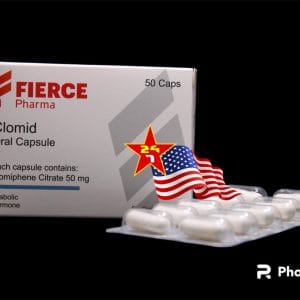
Original price was: $ 129.00.$ 119.00Current price is: $ 119.00.

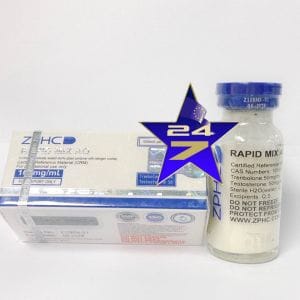
STADA MEGA CUTS BLEND 300 MG 10ML (TRENBOLONE)

Original price was: $ 129.00.$ 119.00Current price is: $ 119.00.

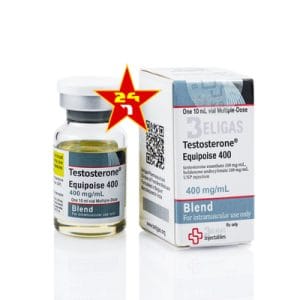
Fierce nandrolone decanoate 300 / ml 10ml
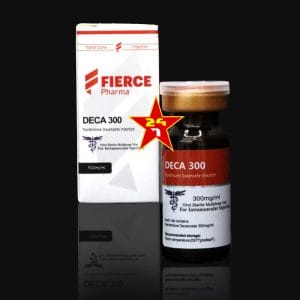
Original price was: $ 131.00.$ 119.00Current price is: $ 119.00.

FAQs
What is cerebrolysin used for?
Cerebrolysin is primarily used for treating cognitive impairments related to Alzheimer’s disease, stroke recovery, and traumatic brain injuries.
How does cerebrolysin work?
Cerebrolysin works by mimicking nerve growth factors, promoting neuronal growth, survival, and repair, thereby enhancing cognitive functions.
Are there any side effects of cerebrolysin?
Some potential side effects include dizziness, headaches, or nausea. It is important to consult a healthcare provider for a comprehensive understanding.
Is cerebrolysin widely available?
Cerebrolysin is available in several countries but is subject to regulatory approvals and may require a prescription.
Can cerebrolysin cure Alzheimer’s disease?
While cerebrolysin may improve cognitive functions in Alzheimer’s patients, it is not a cure. It may alleviate symptoms and slow progression in some cases.
Cerebrolysin is a peptide-based neurotrophic agent derived from porcine brain proteins, primarily used in neurological therapies. It is composed of short bioactive peptides and amino acids that mimic the effects of nerve growth factors, making it a unique treatment in neurodegenerative conditions and brain injuries. Research suggests that Cerebrolysin can enhance neuroplasticity, reduce neuronal apoptosis, and improve cognitive functions in patients with Alzheimer’s disease, stroke, and traumatic brain injuries. While some clinical studies demonstrate promising outcomes in brain metabolism and neuroregeneration, the broader efficacy and therapeutic mechanisms are still under investigation. Its administration is typically through intravenous or intramuscular injection, and the treatment duration depends on individual clinical needs.