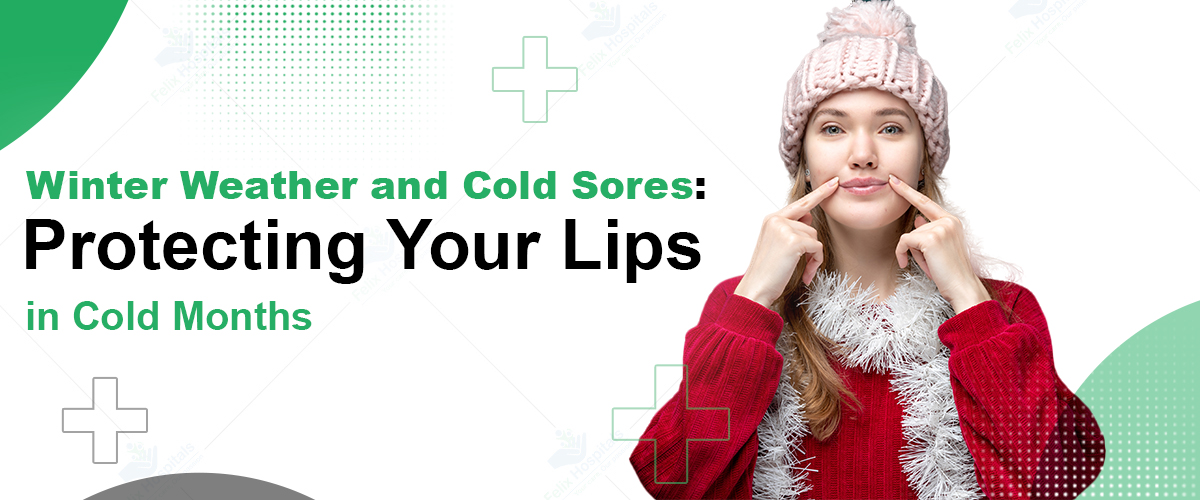
Cold and Cold Sores: How to Manage Both This Winter
TABLE OF CONTENTS

Dealing with a cold sore can be a daunting task, especially when you also have a cold. These two health issues often go hand in hand, exacerbating each other’s symptoms and making recovery more challenging. This article delves into the relationship between cold sores and colds, offering insights and advice on coping techniques.
What is a Cold Sore?
A cold sore, also known as a fever blister, is caused by the herpes simplex virus (HSV-1). These painful, fluid-filled blisters predominantly appear around the mouth. When your immune system is compromised due to a cold, you may be more prone to developing a cold sore.
The Connection Between Cold Sore and a Cold
The phrase cold sore with a cold isn’t just a coincidence. When you catch a cold, your immune system is under stress. This stress can trigger dormant HSV-1, leading to the development of cold sores. Symptoms like a runny nose, coughing, and sneezing from a common cold can aggravate the area around the mouth, promoting the appearance of cold sores.
Managing Cold Sores While Having a Cold
Dealing with a cold sore with a cold requires a multi-faceted approach:
- Medication: Antiviral creams and pills can help reduce the severity of cold sores. Consult with your doctor for the right prescription. Explore resources like Steroid Planner to plan your treatment effectively.
- Home Remedies: Apply ice or a damp cloth to the sore to reduce swelling and discomfort. Keeping the area around your mouth moisturized can prevent cracking.
- Boosting Immunity: Maintain a healthy diet rich in vitamins, and consider supplements from platforms like Ulaska.
Prevention Tips
To prevent outbreaks of a cold sore with a cold, you can:
- Practice Good Hygiene: Regular hand washing can prevent the spread of viruses.
- Avoid Triggers: Stress and fatigue can trigger outbreaks. Prioritize rest and relaxation.
- Use Lip Protection: Lip balm with sunblock can shield your lips from external factors that may cause sores.
Conclusion
Experiencing a cold sore with a cold can be a challenging ordeal, but understanding the connection and proactive management can lead to a swifter recovery. By employing the tips and strategies detailed above, you can better manage symptoms and lessen the frequency of outbreaks. Remember to consult with healthcare professionals for persistent issues.
FAQs
What causes cold sores to appear during a cold?
Cold sores are often triggered by stress, weakened immunity, and environmental factors—all of which are present during a common cold.
Can lifestyle changes help manage cold sores?
Yes, adopting a healthy lifestyle, managing stress, and maintaining good hygiene can reduce the occurrence of cold sores, even during a cold. Learn more at John Doe Bodybuilding and Steroid.
Are there any specific treatments for cold sores?
Antiviral medications can be prescribed by a doctor to alleviate symptoms and reduce the recovery time of cold sores.
FREE SHIPPING
HOT PROMOTIONS!
BIG SALE | FAST SHIPPING
CYT 3 6MG | T3 | Yohimbe | Clen | Weight Loss Blend | 100 Tablets Total Kit 600mg
$ 69.00

CROWX 👑 LETROROW 5 Mg / 50 Tabs (Letrozole)
Original price was: $ 149.00.$ 129.00Current price is: $ 129.00.
EXEMESTANE 25MG FIERCE AROMASIN 50 CAPS
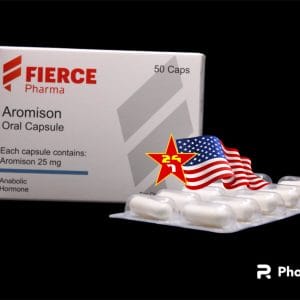
Original price was: $ 119.00.$ 109.00Current price is: $ 109.00.
TAMOXIFEN 20MG 50 CAPS FIERCE
Original price was: $ 120.00.$ 99.00Current price is: $ 99.00.
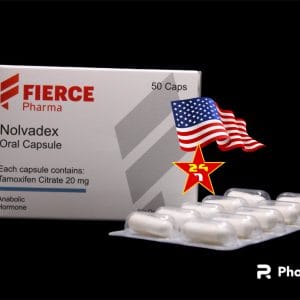
NOLVADEX 20MG 50 TABLETS FIERCE
Original price was: $ 86.00.$ 79.00Current price is: $ 79.00.
AXIOM FEMARA LETROZOLE 2.5MG Tablets
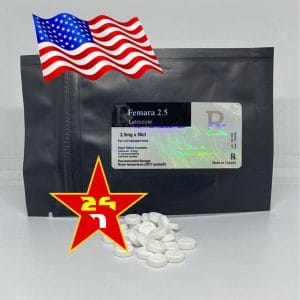
Original price was: $ 119.00.$ 99.00Current price is: $ 99.00.
AROMASIN 25MG 50 TABLETS EXEMESTANE
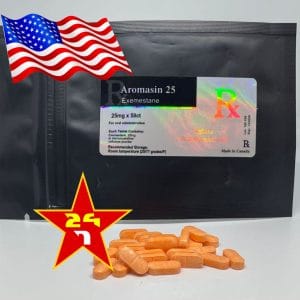
Original price was: $ 97.00.$ 89.00Current price is: $ 89.00.
Beligas MONO FEMARA LETROZOLE 2.5mg per tablet x 50
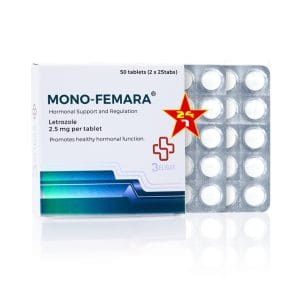
Original price was: $ 66.00.$ 55.00Current price is: $ 55.00.
STADA HCG 5000IU WITH WATER
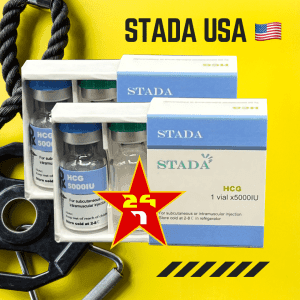
Original price was: $ 102.00.$ 89.00Current price is: $ 89.00.
Cold sores, caused by the herpes simplex virus (HSV-1), can be particularly bothersome when you have a cold. The stress on your immune system from fighting off a cold can trigger or worsen an outbreak. Typically appearing as blisters around the lips, cold sores can cause discomfort and a burning or itching sensation. During a cold, your body’s defenses are lowered, potentially prolonging the healing process. It’s important to maintain good hygiene, such as washing hands frequently and avoiding touching the sores, to prevent the virus from spreading. Over-the-counter creams and antiviral medications can help alleviate symptoms and speed up recovery.