Consider Clomid: A Guide for Couples Facing Fertility Challenges
TABLE OF CONTENTS

In the world of fitness and bodybuilding, supplements and medications play an integral role in enhancing performance and achieving desired physiques. Among these, Clomid is a name that stands out due to its multifaceted benefits. Initially developed for different medical purposes, Clomid, or Clomiphene Citrate, has found its way into the fitness regimes of athletes and bodybuilders. This article explores the various aspects of Clomid, its uses, benefits, and essential considerations. 🤔
What is Clomid?
Clomid is a medication originally designed to treat infertility in women by stimulating ovarian production. However, its utility has expanded beyond its initial scope. It functions by acting as a selective estrogen receptor modulator (SERM), which can help in regulating hormonal imbalances. Clomid is particularly popular among bodybuilders and athletes who use it as a post-cycle therapy (PCT) to restore natural testosterone levels after the use of anabolic steroids.
Benefits of Clomid in Fitness and Bodybuilding
Clomid is valued in the fitness domain for its ability to aid in hormonal balance. Here’s how it can benefit athletes and bodybuilders:
-
- Testosterone Production: Clomid stimulates the body’s natural production of testosterone, which is crucial for muscle growth, strength, and recovery.
-
- Counteracting Estrogen Effects: Since Clomid works to block estrogen, it helps in minimizing estrogen-related side effects like gynecomastia, which is the enlargement of male breast tissue. 💪
-
- Post-Cycle Therapy: After a cycle of anabolic steroids, Clomid can assist in quick recovery of natural hormone levels, restoring physiological balance.
Considerations and Side Effects
While Clomid offers numerous benefits for athletes and bodybuilders, it is not without potential side effects. Some users may experience vision problems, mood changes, headaches, and abdominal discomfort. It’s essential to consult with a healthcare provider before starting Clomid to ensure it aligns with personal health goals and conditions.
Conclusion
Clomid serves as a valuable tool in both medical and fitness arenas, with its ability to promote testosterone production and mitigate estrogen-related side effects. However, responsible use and medical guidance are paramount to harnessing its full potential safely. By understanding its benefits along with possible side effects, users can make informed decisions to support their fitness goals effectively.
😌
FAQs about Clomid
-
- Can men use Clomid? Yes, men use Clomid primarily for post-cycle therapy to boost testosterone levels.
-
- Is Clomid legal for use in sports? Clomid is not banned, but its use can be subject to sporting regulations; users should verify with their respective sports federations.
-
- What is the typical dosage for Clomid in bodybuilders? The dosage can vary, but it typically ranges from 25-100 mg per day during post-cycle therapy. Consultation with a healthcare provider is crucial.
Don’t forget to engage on social media with hashtags like #powerlifting #gymtime #nutrition and many others. 🙌
FREE SHIPPING
HOT PROMOTIONS!
BIG SALE | FAST SHIPPING
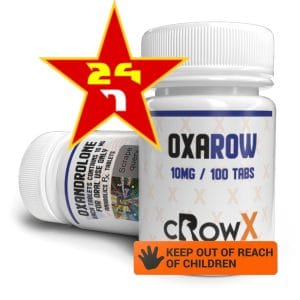
CROWX 👑 SUSTAROW 300 MG/ 10 ML Vial SUSTANON
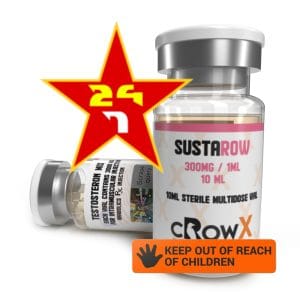
Original price was: $ 109.00.$ 99.00Current price is: $ 99.00.



Clomid, also known by its generic name clomiphene citrate, is a medication commonly prescribed to stimulate ovulation in women who experience infertility due to anovulation or irregular ovulation. It functions as a selective estrogen receptor modulator (SERM), which triggers the pituitary gland to secrete increased levels of follicle-stimulating hormone (FSH) and luteinizing hormone (LH). This hormonal boost promotes the growth and maturation of ovarian follicles, thereby enhancing the chances of ovulation and pregnancy. Clomid is often utilized as a first-line treatment due to its effectiveness, oral administration, and relatively mild side effect profile. Although primarily used in women, in certain cases, Clomid is also prescribed to men to address specific types of male infertility by boosting testosterone levels. Despite its benefits, the use of Clomid necessitates careful monitoring by healthcare providers to minimize potential risks such as ovarian hyperstimulation syndrome (OHSS) and multiple pregnancies.