
Cost vs. Benefit: Is Melanotan II Worth the Investment for Better Tanning?

In the world of skincare and beauty, innovations are continuously shaping how we achieve radiant, youthful appearances. One compound making waves in this domain is Melanotan II, a synthetic peptide that promises a range of benefits, from bronzed skin to enhanced libido. Initially developed to combat skin cancer, Melanotan II has found a niche in the beauty industry for its ability to stimulate the production of melanin, the pigment responsible for skin color.
What is Melanotan II?
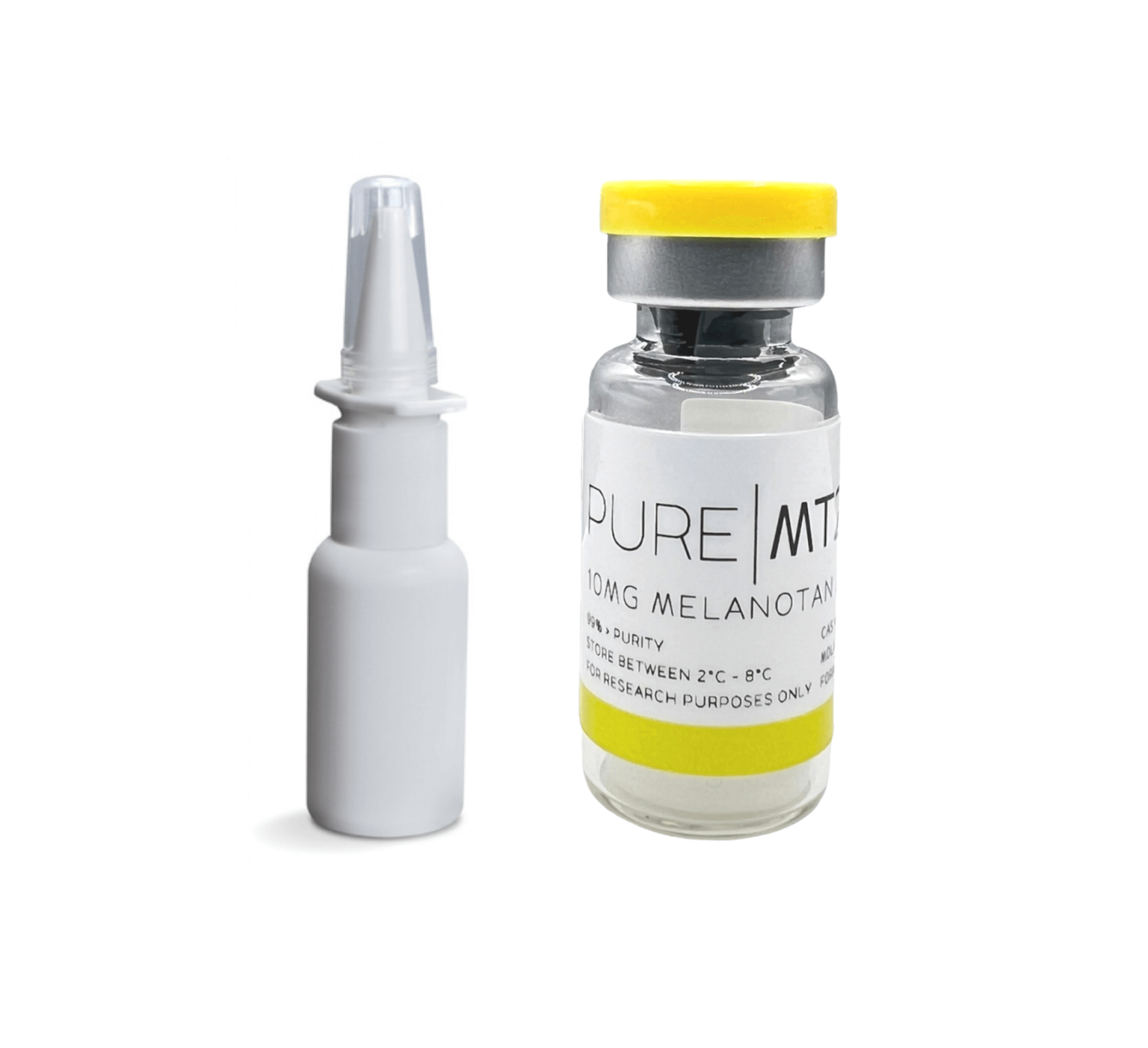
Melanotan II is a lab-created analogue of a naturally occurring hormone in our body called alpha-melanocyte-stimulating hormone (α-MSH). This hormone plays a crucial role in skin pigmentation, response to UV radiation, and various other biological activities. By mimicking this hormone, Melanotan II stimulates the melanocytes in the skin to produce more melanin, resulting in a tanned appearance.
Benefits of Melanotan II
Beyond achieving a sun-kissed glow without prolonged sun exposure, Melanotan II is celebrated for its additional benefits. Users report improvements in their skin’s overall tone and texture, making it a sought-after compound in anti-aging treatments. The peptide’s potential effects extend to weight loss, as it is believed to influence appetite regulation and energy homeostasis, presenting a multifaceted approach to wellness and beauty.
Potential Side Effects
Despite its promising advantages, Melanotan II is not without potential side effects. Users may experience nausea, fatigue, and in some cases, changes in skin mole color. As with any supplement or treatment, it is crucial to consult healthcare professionals before starting usage to mitigate these risks and ensure safe application.
The Future of Melanotan II in Beauty
The beauty industry continues to explore the horizons of Melanotan II, with efforts directed towards making it safer and more effective. As research advances, it may lead to the development of more tailored formulations that could revolutionize skin care routines, primarily focusing on anti-aging and aesthetic enhancements.
Conclusion
Melanotan II represents a profound leap in beauty technology, offering prospects that align with modern desires for youthful, vibrant skin. Its role extends beyond a simple tanning agent, touching on broader wellness aspects that make it a compelling choice for those seeking comprehensive skincare solutions.
FAQs
- What is Melanotan II primarily used for?
- Melanotan II is mainly used to increase skin pigmentation, providing a tanned appearance without the need for sun exposure.
- Are there any risks associated with using Melanotan II?
- Yes, potential side effects include nausea and skin color changes, among others. Consulting a healthcare professional is advised.
- How is Melanotan II administered?
- Melanotan II is typically administered through injections, though its dosage and administration should be handled by professionals.
Shortcode:
FREE SHIPPING
BIG SALE | FAST SHIPPING
HOT PROMOTIONS!
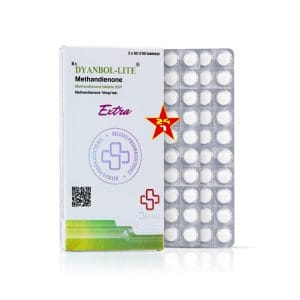
ZPHC Dbol Dianabol Methandienone 10mg x 100 tablets
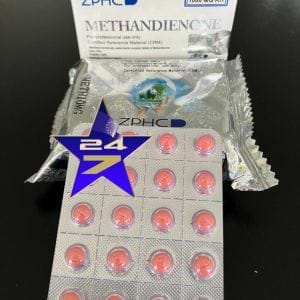
Original price was: $ 99.00.$ 69.00Current price is: $ 69.00.
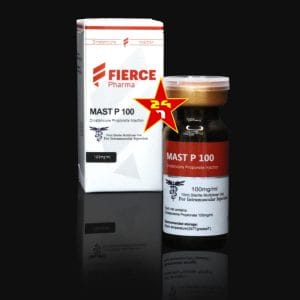
DIANABOL 50MG FIERCE 50 CAPS

Original price was: $ 119.00.$ 99.00Current price is: $ 99.00.


#peptides #skincare #antiaging #b #skin #beauty #collagen #wellness #weightloss #sermorelin #ghrp #stayfit #bodybuilding #injections #hcg #skincareroutine #hcgphase #hcgdiet #hcginjections #doral #hcgplus #hcgworks #miami #hcgpellets #hcgdrops #hcgusers #hcgcommunity #hcgresults #miamibeach #hcgprotocol #hcgchica #alastinskincare
Melanotan II is a synthetic analogue of the alpha-melanocyte-stimulating hormone (α-MSH), a peptide hormone responsible for regulating skin pigmentation in humans. Initially developed as a potential tanning agent to stimulate the production of melanin in the skin, Melanotan II is often marketed and used for its ability to induce a deep, natural-looking tan without the need for prolonged sun exposure. Besides its tanning effects, it has been noted for its potential appetite-suppressing properties and ability to increase libido in some users. Despite its widespread use, Melanotan II is not approved by major health regulatory bodies like the FDA or EMA for safety or efficacy, and concerns have been raised regarding potential side effects and long-term health impacts, including risks of abnormal mole formation and other skin-related issues. Due to these concerns, its sale and use remain controversial, and it is often considered a substance used at one’s own risk.