:max_bytes(150000):strip_icc()/OPTIMUMNUTRITIONMicronizedCreatineMonohydratePowder-5bff1d2c46e0fb00511cffd6.jpg "Creatine & Blood Pressure: Is Your Supplement Raising Concerns?")
Creatine & Blood Pressure: Is Your Supplement Raising Concerns?
TABLE OF CONTENTS

Creatine is a popular supplement among athletes and fitness enthusiasts, primarily known for its ability to enhance muscular strength and improve athletic performance. However, a pertinent question arises for users who are concerned about cardiovascular health: does creatine increase blood pressure?
Understanding Creatine
Before delving into the effects of creatine on blood pressure, it’s crucial to understand what creatine is. Creatine is a naturally occurring compound found in small amounts in certain foods like red meat and fish. In the body, it is primarily stored in the muscles, acting as a source of energy during high-intensity activities.
How Creatine Works
One of creatine’s primary roles is to aid in the production of adenosine triphosphate (ATP), an energy-rich molecule crucial for muscle contractions. By increasing the availability of ATP, creatine supplements enable athletes to perform better in activities requiring short bursts of energy, such as weightlifting and sprinting.
Does Creatine Increase Blood Pressure?
The query, “does creatine increase blood pressure?” is frequently posed, particularly by those new to the supplement. There have been numerous studies attempting to answer this question, but most suggest that creatine supplementation does not directly cause an increase in blood pressure. Most healthy individuals do not experience significant changes in blood pressure levels when they use creatine at recommended doses.
However, some users might experience an increase in blood pressure due to indirect factors related to creatine supplementation. For instance, creatine can sometimes lead to fluid retention, which in susceptible individuals, might contribute to elevated blood pressure. It’s important to note that these effects are not universally experienced and typically affect those who have pre-existing hypertension or are predisposed to it.
Potential Side Effects of Creatine
Besides the debated question of blood pressure, there are other potential side effects that users should be aware of. Common side effects include weight gain due to water retention, muscle cramping, and gastrointestinal discomfort. It’s essential for users to adhere to recommended dosages and consult healthcare providers if any adverse effects occur.
Conclusion
In conclusion, the question of “does creatine increase blood pressure?” does not have a straightforward yes or no answer. While most studies have not found a direct link between creatine use and heightened blood pressure in healthy adults, indirect effects such as fluid retention might play a role in those predisposed to elevated blood pressure levels. As always, consulting with a healthcare professional before starting any new supplement is advisable, especially for individuals with pre-existing medical conditions.
BIG SALE | FAST SHIPPING
HOT PROMOTIONS!
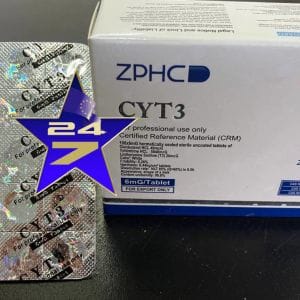
CYT 3 6MG | T3 | Yohimbe | Clen | Weight Loss Blend | 100 Tablets Total Kit 600mg
$ 69.00


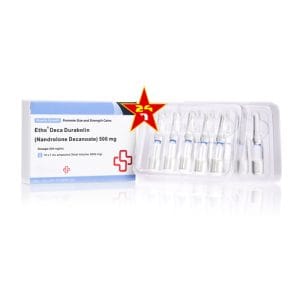


STADA MEGA CUTS BLEND 300 MG 10ML (TRENBOLONE)

Original price was: $ 129.00.$ 119.00Current price is: $ 119.00.


FAQs
Does creatine increase blood pressure immediately?
For most healthy individuals, creatine does not cause an immediate increase in blood pressure. However, those with pre-existing conditions should monitor their blood pressure regularly.
Is creatine safe for people with hypertension?
People with hypertension should consult their healthcare provider before taking creatine. Although creatine is generally safe, fluid retention could potentially lead to increased blood pressure.
How should creatine be taken to mitigate any potential effects on blood pressure?
Adhering to recommended dosages and staying hydrated can help mitigate the potential indirect effects of creatine, such as fluid retention, which may impact blood pressure in some individuals.
External references:
By being informed and cautious, one can enjoy the performance benefits that creatine offers without compromising cardiovascular health.
Creatine is a widely used dietary supplement, particularly among athletes and bodybuilders, for its role in enhancing muscle mass and improving exercise performance. The concern over creatine’s effect on blood pressure stems from its influence on water retention in muscles, potentially impacting overall blood volume. However, current research suggests that creatine supplementation does not have a significant adverse effect on blood pressure in healthy individuals. Most studies indicate that when taken at recommended doses, creatine does not cause a notable increase in blood pressure levels. It is important to note, though, that individuals with pre-existing kidney conditions or those who are predisposed to hypertension should consult healthcare professionals before starting creatine supplementation to mitigate any potential risks. Overall, the evidence supports the safe use of creatine without substantial concerns regarding increased blood pressure for the general population.