Creatine non responder
TABLE OF CONTENTS

Creatine is a popular supplement among athletes and fitness enthusiasts for its ability to enhance strength, improve high-intensity exercise performance, and accelerate muscle recovery. However, not everyone experiences the same benefits. This group, often referred to as “creatine non responders,” sees minimal or no improvements when supplementing with creatine. Let’s dive into the details of why some individuals fall into this category and what it means for their fitness journey.
What is a Creatine Non Responder?
The term creatine non responder describes individuals who do not experience noticeable performance or strength enhancements after consuming creatine supplements. Creatine works by increasing the availability of ATP—the energy currency of the cell—during high-intensity activities. However, those who naturally have high levels of stored creatine in their muscles may not see further enhancements, classifying them as non responders. 🏋️♂️
Factors Contributing to Being a Creatine Non Responder
Several factors can influence whether someone is a creatine non responder:
-
- Natural Creatine Levels: Those with naturally high levels of creatine may not benefit from supplementation.
-
- Diet: Frequent consumption of creatine-rich foods like red meat and fish can diminish the apparent effects of supplementation.
-
- Muscle Fiber Type: People with a higher ratio of Type I (slow-twitch) fibers may respond less positively compared to those with more Type II (fast-twitch) fibers.
What to Do If You Are a Creatine Non Responder?
Being a creatine non responder doesn’t mean you’re at a disadvantage. Consider diversifying your approach:
-
- Alter Training: Adjusting your training to include a mix of strength and endurance workouts might yield better results.
-
- Try Other Supplements: Explore other options like beta-alanine or branched-chain amino acids (BCAAs) to enhance performance. 🏆
-
- Focus on Nutrition: A balanced diet rich in essential nutrients can boost performance without relying solely on supplements.
Conclusion
While being a creatine non responder might seem frustrating, it’s crucial to understand that everyone’s body reacts differently to supplements. Experimentation with training techniques and nutritional strategies can help you find what works best for your body. Remember, the journey to fitness is unique for each individual, and the key is persistence and adaptation. 💪
FAQs
- Can I still build muscle if I’m a creatine non responder?
- Yes, muscle growth relies on a combination of consistent training, balanced nutrition, and recovery.
- How can I determine if I’m a creatine non responder?
- If you’ve been taking creatine for several weeks and notice no improvement in performance or muscle mass, you might be a non responder.
- Is it safe to try higher doses of creatine?
- Stick to recommended dosages and consult with a healthcare professional before making any significant changes to your supplement routine.
BIG SALE | FAST SHIPPING
HOT PROMOTIONS!
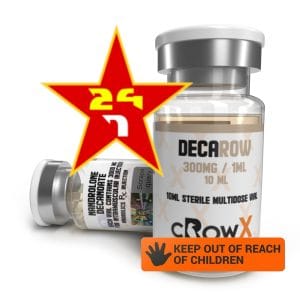
Beligas 10ml Vial Testosterone NPP Blend 150mg

Original price was: $ 119.00.$ 99.00Current price is: $ 99.00.
CLOMIPHENE TABLETS 50mg 50 TABLETS FIERCE
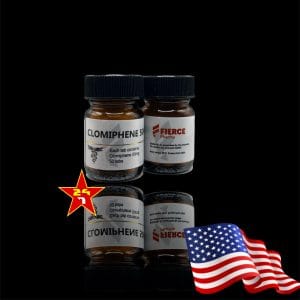
Original price was: $ 99.00.$ 89.00Current price is: $ 89.00.
ZPHC UltraMix 10ml MultiUse Vial 1ml = 250mg

Original price was: $ 255.00.$ 179.00Current price is: $ 179.00.
CLOMID 50MG FIERCE 50 TABLETS
Original price was: $ 129.00.$ 119.00Current price is: $ 119.00.
ZPHC Clomid Clomiphene 25mg/tablet | 100 Tablets Total: 2500mg
Original price was: $ 159.00.$ 65.00Current price is: $ 65.00.

For more advice on maximizing your workouts, follow these tips and don’t forget to join the community: #Bodybuilding #Bodybuildingmotivation #Powerlifting #Bodybuilder #Heavyweightlifting #Workoutathome #stayfit #bodybuilding
A creatine non-responder is an individual who does not experience significant benefits from creatine supplementation, which is widely used for enhancing muscle mass, strength, and athletic performance. This phenomenon may occur due to various factors, including physiological and genetic differences, such as lower baseline levels of muscle creatine or a varying response to the increase in phosphocreatine stores that creatine typically induces. Additionally, factors like existing high dietary creatine intake from food sources, fiber type composition in muscles, and individual variations in absorption rates can contribute to the lack of observable effects in non-responders. While creatine is effective for many, understanding the nuances of individual responses underscores the importance of personalized approaches to supplementation.