
Cytomel T3: A Closer Look at Safe Dosages for Weight Loss
TABLE OF CONTENTS

Cytomel T3 is a synthetic form of the thyroid hormone triiodothyronine, which plays a significant role in regulating metabolism. It is often prescribed for those with hypothyroidism, a condition where the thyroid gland does not produce enough hormones. However, Cytomel T3 has also gained popularity as a weight loss aid due to its ability to enhance metabolism and accelerate fat loss. It is crucial to understand the appropriate cytomel t3 weight loss dosage to ensure safety and efficacy.
Key Aspects of Cytomel T3 Weight Loss Dosage
Cytomel T3 should be used cautiously and under medical supervision, especially when the goal is weight loss. The appropriate cytomel t3 weight loss dosage varies between individuals, depending on their metabolic needs, medical condition, and response to the hormone.
- Starting Dosage: Typically, the initial dosage begins at a low level, such as 12.5 mcg per day. This allows the body to adjust to the increased hormone levels and helps to mitigate potential side effects such as heart palpitations and anxiety.
- Gradual Increase: If the initial dose is well-tolerated, the cytomel t3 weight loss dosage may be gradually increased. A common increment is 12.5 mcg every week or two. Continuous monitoring is essential to assess the body’s response and adjust the dosage accordingly.
- Maximum Dosage: The maximum cytomel t3 weight loss dosage often does not exceed 75 mcg per day. Going beyond this level increases the risk of severe side effects and could potentially lead to hyperthyroidism, characterized by excessive thyroid hormone levels.
- Cycle Off: Long-term use of Cytomel T3 can lead to suppressed natural thyroid function. Hence, it is recommended to cycle off the drug periodically. A typical cycle may last 6-8 weeks with a break of 2-4 weeks to prevent dependency and allow the body’s natural hormone production to resume.
For more in-depth information on thyroid hormone treatment, you may visit Thyroid.org or consult the National Institute of Diabetes and Digestive and Kidney Diseases (NIDDK).
Importance of Medical Supervision
Using Cytomel T3 solely for weight loss can be risky. Medical supervision is crucial to monitor the individual’s response and ensure that the hormone levels remain balanced. Blood tests should be performed regularly to check thyroid hormone levels and adjust the dosages as needed.
Conclusion
Cytomel T3 can be a powerful tool for weight loss due to its ability to enhance the metabolic rate. However, appropriate cytomel t3 weight loss dosage is essential for achieving the desired results safely. Individuals should approach this treatment under the guidance of a healthcare professional to personalize the dosage and prevent adverse effects.
BIG SALE | FAST SHIPPING
HOT PROMOTIONS!

ZPHC Clomid Clomiphene 25mg/tablet | 100 Tablets Total: 2500mg
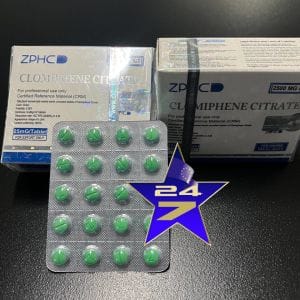
Original price was: $ 159.00.$ 65.00Current price is: $ 65.00.
FIERCE CLOMID 50MG 50CAPS

Original price was: $ 129.00.$ 119.00Current price is: $ 119.00.
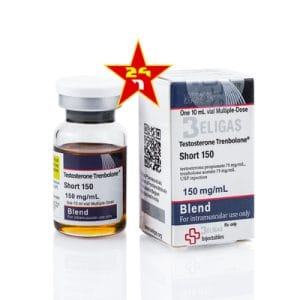
Fierce nandrolone decanoate 300 / ml 10ml

Original price was: $ 131.00.$ 119.00Current price is: $ 119.00.
ZPHC UltraMix 10ml MultiUse Vial 1ml = 250mg

Original price was: $ 255.00.$ 179.00Current price is: $ 179.00.


FAQs
What is the safest way to use Cytomel T3 for weight loss?
The safest way to use Cytomel T3 for weight loss is under the supervision of a healthcare provider who can prescribe the correct dosage and monitor your body’s response through regular blood tests.
Can everyone use Cytomel T3?
Not everyone should use Cytomel T3. It is typically prescribed for individuals with specific thyroid-related disorders. Those considering it for weight loss should consult with a healthcare professional to assess their suitability.
How long does it take to see weight loss results with Cytomel T3?
Results vary by individual. Some may notice changes within a few weeks, while others may need several cycles to achieve noticeable results. Regular follow-up with a healthcare provider is important to assess progress.
Are there side effects associated with Cytomel T3?
Yes, potential side effects include increased heart rate, anxiety, weight loss beyond desired levels, and potential thyroid suppression. It is vital to monitor these symptoms and adjust the dosage as necessary.
Cytomel (liothyronine sodium) is a synthetic form of the thyroid hormone triiodothyronine (T3) and is sometimes used off-label to assist with weight loss, although it is primarily prescribed for hypothyroidism treatment. The dosage for weight loss purposes must be approached with caution due to the potent nature of T3 in regulating metabolism and the risk of significant side effects. Typically, for weight loss, individuals may start at a low dose, such as 5 mcg per day, and gradually increase by 5 mcg increments every one to two weeks while closely monitoring for adverse reactions and symptoms of hyperthyroidism, such as palpitations, anxiety, and insomnia. It is crucial that any use of Cytomel for weight management be supervised by a healthcare provider, as incorrect dosing can lead to serious health implications, including cardiac issues and muscle loss. Due to these potential risks, Cytomel is generally not recommended for weight loss in individuals without thyroid dysfunction.