Daily Fat Intake: How Much is Really Needed for Health?
TABLE OF CONTENTS

Fats have long been a subject of interest and confusion in the realm of nutrition. While some people shun fats entirely, others embrace them wholeheartedly. The truth, however, lies somewhere in the middle. In this article, we’ll explore the question of “how many fats per day” you should ideally consume, taking into account dietary guidelines, health benefits, and potential risks. Let’s dive in.
Dietary Guidelines
When it comes to dietary fats, the Dietary Guidelines for Americans suggest that adults should get 20% to 35% of their daily calories from fat. This can vary based on individual dietary needs, health conditions, and levels of physical activity. For someone on a 2,000-calorie diet, this translates to about 44 to 78 grams of fat per day.
Types of Fats
Not all fats are created equal. It’s crucial to understand the different types of fats to make healthier choices:
-
- Saturated Fats: Found in animal products and processed foods, these should be limited to less than 10% of daily calories.
-
- Trans Fats: Often in fried and processed foods, trans fats should be avoided as much as possible.
-
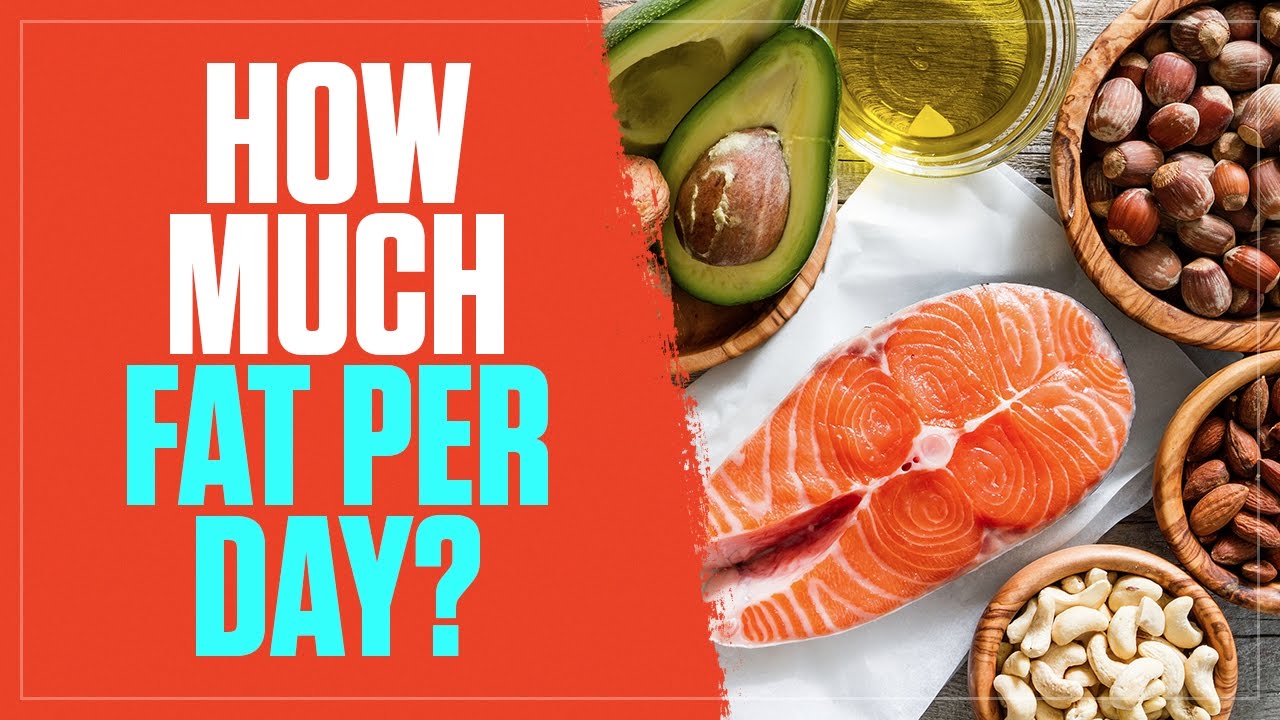
- Unsaturated Fats: These are the healthier fats including monounsaturated and polyunsaturated fats found in avocados, nuts, and fish.
Knowing how many fats per day comes not just from the total amount but also from the quality of fat consumed.
Health Benefits of Fats
Moderate consumption of healthy fats offers numerous benefits. Fats are essential for absorbing fat-soluble vitamins (A, D, E, and K), providing energy, supporting cell growth, and protecting organs. Omega-3 fatty acids, a type of polyunsaturated fat, are particularly known for their heart-protective properties.
Risks of Overconsumption
Consuming too many fats can lead to obesity, cardiovascular problems, and other health issues. The key is balance and choosing the right type of fats. A diet too high in saturated and trans fats can increase the risk of heart disease. Understanding how many fats per day are appropriate for your body can significantly contribute to overall health.
Conclusion
The topic of how many fats per day one should consume is complex and must be personalized according to individual needs. It is not solely about the quantity but also the quality of fats consumed. By emphasizing unsaturated fats and limiting saturated and trans fats, one can maintain a healthier lifestyle. Consult a healthcare provider or a nutritionist to tailor dietary plans that suit personal health goals.
BIG SALE | FAST SHIPPING
HOT PROMOTIONS!



ZPHC UltraMix 10ml MultiUse Vial 1ml = 250mg

Original price was: $ 255.00.$ 179.00Current price is: $ 179.00.
CLOMID 50MG FIERCE 50 TABLETS

Original price was: $ 129.00.$ 119.00Current price is: $ 119.00.


STADA MEGA CUTS BLEND 300 MG 10ML (TRENBOLONE)

Original price was: $ 129.00.$ 119.00Current price is: $ 119.00.
CYT 3 6MG | T3 | Yohimbe | Clen | Weight Loss Blend | 100 Tablets Total Kit 600mg

$ 69.00

FAQs
Q1: How can I calculate my daily fat intake?
To determine how many fats per day you should consume, you can use online nutritional calculators or consult with a nutritionist. Multiply your total daily calories by the recommended percentage of fats (e.g., 0.20 for 20%) and then divide by 9 (since each gram of fat has 9 calories) to get the number of grams.
Q2: Is there a difference in fat needs for men and women?
Yes, there can be differences based on metabolic rates, body composition, and overall energy requirements. Always consider how many fats per day are suitable for your specific body needs.
Q3: Can I eat fats if I’m trying to lose weight?
Absolutely. Healthy fats are an integral part of a balanced diet. Focus on consuming wholesome fats in moderation while monitoring overall caloric intake.
Need more information on dietary fats? You can visit the American Heart Association for further guidance.
The daily recommended intake of fats can vary based on individual dietary needs, age, sex, and level of physical activity. Generally, dietary guidelines suggest that 20% to 35% of your total daily calories come from fat. For someone consuming a 2,000-calorie diet, this translates to approximately 44 to 78 grams of fat per day. It is important to focus not just on the quantity but also the quality of fats consumed. Emphasizing unsaturated fats found in foods like nuts, seeds, avocados, and fish, while limiting saturated and trans fats from processed foods and red meats, can support overall health. A balanced intake of fats is crucial for the absorption of fat-soluble vitamins, hormone production, and overall cellular function.