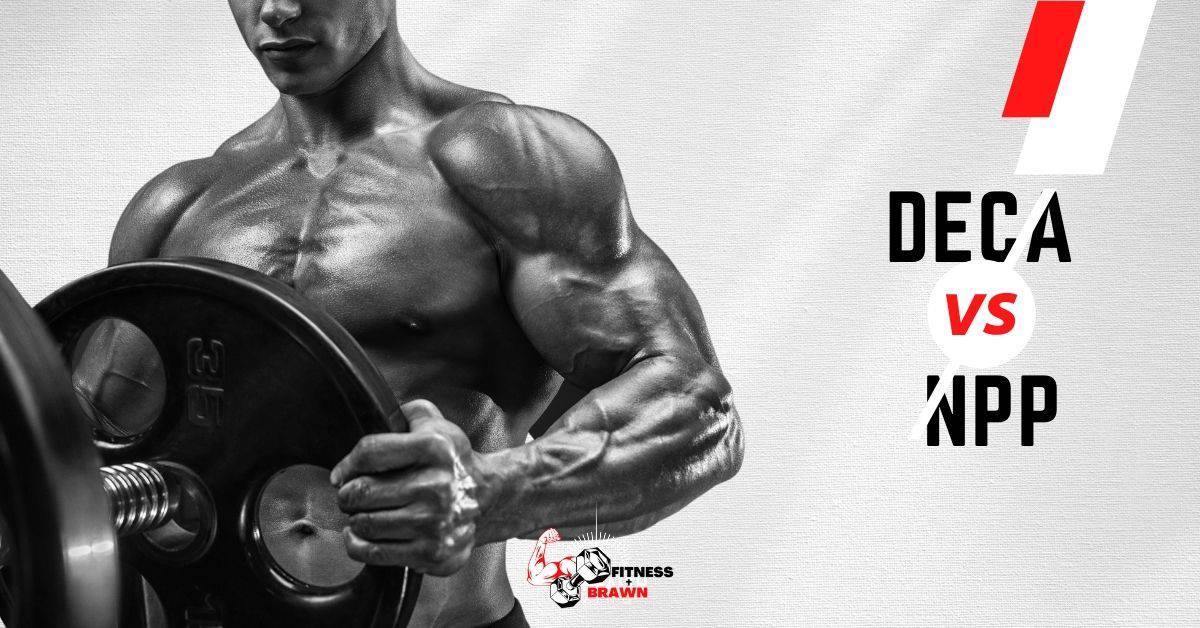
Deca vs npp
TABLE OF CONTENTS

When discussing anabolic steroids for bodybuilding and powerlifting, two names that frequently come up are Deca Durabolin and Nandrolone Phenylpropionate (NPP). While both steroids share the common base compound nandrolone, their chemical structure, half-life, and effects can differ significantly. Let’s delve into the comparison of Deca vs NPP to determine which might suit your goals better.
Understanding Deca Durabolin and NPP
Deca Durabolin, commonly known simply as Deca, is a popular anabolic steroid, with the active compound Nandrolone Decanoate. Known for its slow release, Deca is often favored for its ability to improve endurance, increase muscle mass, and aid joint recovery. On the flip side, the slow release comes with a prolonged detection time, which some users may find undesirable when subjected to drug tests.
Nandrolone Phenylpropionate (NPP) is a relatively faster-acting variant of nandrolone. It has a shorter ester chain, which results in quicker absorption and faster results. NPP is often preferred by those who want shorter cycles and quicker recovery, though it requires more frequent injections compared to Deca.
Deca vs NPP: Key Differences
The main difference between Deca vs NPP lies in their ester bonds. This structural difference results in varying half-lives, and ultimately, how they are utilized in cycles. Deca, with its longer ester, is often used in longer cycles, ranging from 10 to 12 weeks. It’s known for its gradual, steady muscle build-up and joint support, making it popular among athletes focused on endurance. 🚴♂️
NPP, on the other hand, has a shorter half-life, which means it kicks in more quickly. Users might begin to see results within 6 to 8 weeks. As it’s less detectable in drug tests over time, it offers a lighter alternative for those concerned about testing. However, due to its rapid nature, frequent injections are necessary. 💉
Benefits and Side Effects
When discussing Deca vs NPP, it’s crucial to weigh the benefits against potential side effects. Both can aid substantial gains in muscle mass and improvements in recovery. Deca is often lauded for its therapeutic effects on joints and tendons. Meanwhile, NPP provides a more immediate doping effect, offering quicker muscle recovery, beneficial in short-term, high-intensity workouts. 💪
Side effects for both include the risk of testosterone suppression, gynecomastia, and cardiovascular strain. Always approach these compounds responsibly and preferably under professional guidance.
Conclusion
The decision between Deca vs NPP boils down to individual goals and personal preference. If endurance and prolonged gains are the targets, Deca might be your ally. For those seeking short cycles with quicker results, NPP could be the way to go. Always consider your own health and consult with professionals before beginning any cycle.
FAQs
Which is better for bulking: Deca or NPP?
Both Deca and NPP have potent bulking properties. Deca is better suited for longer cycles, whereas NPP provides quicker results with shorter cycles.
Do Deca and NPP help with joint pain?
Yes, both have properties that may assist in reducing joint pain due to their collagen synthesis promoting qualities.
Are there any differences in side effects between Deca and NPP?
The side effects are generally similar, with the primary difference being in the cycle length and frequency of injections.
BIG SALE | FAST SHIPPING
HOT PROMOTIONS!


CYT 3 6MG | T3 | Yohimbe | Clen | Weight Loss Blend | 100 Tablets Total Kit 600mg
$ 69.00

Beligas 10ml Vial Testosterone NPP Blend 150mg

Original price was: $ 119.00.$ 99.00Current price is: $ 99.00.
If you’ve found this guide on Deca vs NPP insightful, don’t forget to share using hashtags: #Bodybuilding, #Bodybuildingmotivation, #Powerlifting, #Bodybuilder, #Heavyweightlifting, #Workoutathome.
Deca-Durabolin (Nandrolone Decanoate) and NPP (Nandrolone Phenylpropionate) are two anabolic steroids that share the same core compound, nandrolone, yet differ primarily in their ester lengths, impacting their pharmacokinetics and practical applications. Deca-Durabolin, known for its longer ester, decanoate, requires less frequent injections, usually once every week or two, making it a more convenient option for those looking for steady, sustained release and longer half-life effects. This slower release contributes to its popularity in bulking cycles for enhanced muscle growth and joint support due to its promotion of collagen synthesis. On the other hand, NPP, with its shorter ester, phenylpropionate, necessitates more frequent administration, typically every other day, to maintain stable blood levels. This characteristic allows for faster onsets of action and clearance, granting users more control over hormone levels and making it a suitable choice for shorter cycles or for those concerned about potential side effects lingering longer in the system. Both compounds carry similar benefits and risks, including increased muscle mass and strength, but also potential side effects like estrogenic activity and androgenic effects, necessitating informed and responsible use.