

Demystifying Tesamorelin: A Look at its Classification and Uses

Tesamorelin is a synthetic peptide that significantly impacts the way the medical community approaches the treatment of certain conditions. It is primarily known for its role in reducing abdominal fat in HIV-infected individuals with lipodystrophy. However, a pressing question often arises: is tesamorelin a steroid? This article aims to clarify this question and offer a comprehensive insight into tesamorelin’s classification, uses, and effects.
What is Tesamorelin?
Tesamorelin, with the brand name Egrifta, is a growth hormone-releasing factor (GHRF) analog. It was specifically designed to stimulate the pituitary gland to secrete growth hormone in a controlled manner. Its primary FDA-approved use is for the reduction of excess abdominal fat in HIV-infected patients experiencing lipodystrophy. Unlike steroids, which are lipophilic compounds often linked with performance enhancement, tesamorelin functions at the hormonal signaling level to optimize physiological responses related to growth hormone.
Is Tesamorelin a Steroid: Understanding the Difference
When it comes to the question, is tesamorelin a steroid?, it’s important to distinguish between different classes of compounds. Steroids typically consist of four carbon rings and include a variety of hormones, such as cortisol, testosterone, and estrogen, that are involved in a wide range of physiological processes. Tesamorelin, on the other hand, is a peptide, which is a small protein-like chain of amino acids. Thus, the structural composition and functionality of tesamorelin distinctly separate it from steroids.
How Does Tesamorelin Work?
As a GHRF analog, tesamorelin mimics the natural processes of the hypothalamus, thereby prompting the pituitary gland to release growth hormone. This selective stimulation is key to tesamorelin’s role in reducing visceral fat, as increased growth hormone levels have been associated with improved fat metabolism and redistribution. This mechanism clearly identifies its purpose as therapeutic rather than performance-enhancing, unlike some anabolic steroids.
Conclusion
In conclusion, tesamorelin is not a steroid. Instead, it is classified as a peptide-based growth hormone-releasing factor analog designed to assist specific metabolic processes related to fat reduction. Its primary distinction lies in how it operates within the body and its targets. For those questioning, is tesamorelin a steroid?, it’s essential to understand that its role and function align more closely with therapeutic medical interventions than with the characteristics typical of steroids.
FAQs
- What are the benefits of tesamorelin? Tesamorelin is primarily used to reduce excess abdominal fat in HIV-infected individuals with lipodystrophy and has shown potential for other metabolic benefits.
- Is tesamorelin legal? Tesamorelin is legal but is approved for specific medical conditions and should only be used under medical supervision.
- Are there side effects of tesamorelin? Yes, some users may experience reactions such as injection site irritation, joint pain, and edema.
BIG SALE | FAST SHIPPING
HOT PROMOTIONS!
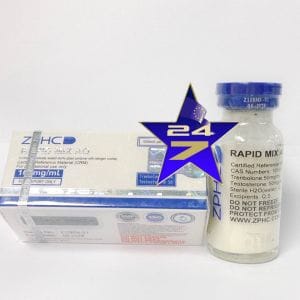
CYT 3 6MG | T3 | Yohimbe | Clen | Weight Loss Blend | 100 Tablets Total Kit 600mg
$ 69.00
CLOMIPHENE TABLETS 50mg 50 TABLETS FIERCE
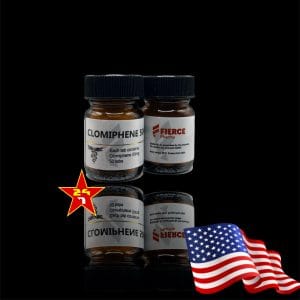
Original price was: $ 99.00.$ 89.00Current price is: $ 89.00.
CLOMID 50MG FIERCE 50 TABLETS
Original price was: $ 129.00.$ 119.00Current price is: $ 119.00.





Tesamorelin is not classified as a steroid; rather, it is a synthetic peptide analog of growth hormone-releasing hormone (GHRH). Its primary function is to stimulate the pituitary gland to produce and release more human growth hormone (HGH), thereby promoting greater IGF-1 (Insulin-like Growth Factor-1) levels in the bloodstream. Tesamorelin is primarily used in the medical field to treat excess abdominal fat in HIV-infected patients with lipodystrophy, a condition characterized by abnormal fat distribution. Unlike anabolic steroids, which are often associated with muscle growth and performance enhancement, tesamorelin focuses more on influencing metabolic processes and has been investigated for its potential benefits in reducing visceral fat and improving metabolic profiles.