Dianabol
TABLE OF CONTENTS

In the realm of bodybuilding and fitness, few compounds spark as much debate and intrigue as Dianabol. Officially known as Methandrostenolone, Dianabol has earned a prominent place in the history of performance-enhancing drugs. This oral anabolic steroid is favored for its effectiveness in promoting rapid muscle growth and strength. Developed in the late 1950s, it quickly became a staple among athletes striving to enhance their physical prowess.
The Mechanism Behind Dianabol
Dianabol functions by enhancing protein synthesis and nitrogen retention in muscles, thereby accelerating muscle growth. It is known for its ability to significantly improve the body’s metabolic activities, facilitating faster recovery and growth of muscles. This drug is particularly attractive to bodybuilders who seek substantial gains in a relatively short period.
Usage and Effects
Typically, Dianabol is used in bulking cycles. Its effects are fast-acting, with users often noticing changes within a few weeks. Among its benefits are increased strength, endurance, and a noticeable uptick in muscle size. However, it’s crucial to approach its usage with caution due to potential side effects.
Some side effects associated with Dianabol use include liver damage, cardiovascular issues, and estrogenic effects like gynecomastia. These risks necessitate informed usage and often the inclusion of other drugs to manage side effects and maintain hormone balance.
Legality and Regulation
The legal status of Dianabol varies globally. In many places, it is classified as a controlled substance, making its non-prescribed purchase, use, or distribution illegal. This underlines the importance of adhering to legal guidelines and consulting healthcare professionals before considering its use.
Conclusion
Dianabol remains a contentious yet fascinating subject in sports and bodybuilding. While its potential for muscle gain is undeniable, it is countered by significant health risks and legal restrictions. For those captivated by its promises, a balanced approach—considering both the potential benefits and the drawbacks—is crucial. Always prioritize health, legality, and professional guidance when contemplating its use.
FAQs
-
- What is Dianabol commonly used for?Dianabol is primarily used for muscle gain and increased strength during bulking cycles.
- What are some side effects of Dianabol?Common side effects include liver damage, increased risk of cardiovascular issues, and estrogenic effects such as gynecomastia.
- Is Dianabol legal?Dianabol’s legality varies by country; in many regions, it is a controlled substance requiring a prescription.
- How should one approach the use of Dianabol?It is vital to consult healthcare professionals and adhere to legal regulations, weighing the risks and benefits carefully.
FREE SHIPPING
BIG SALE | FAST SHIPPING
HOT PROMOTIONS!


STADA DHB DIHYDROBOLDENONE 100MG 10 ML
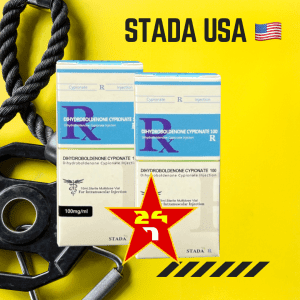
Original price was: $ 219.00.$ 109.00Current price is: $ 109.00.
DBOL 50mg TABLETS 50 TABLETS FIERCE
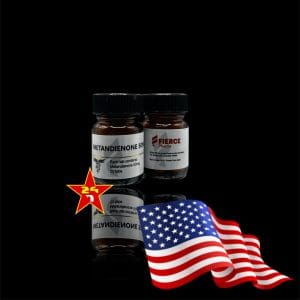
Original price was: $ 110.00.$ 109.00Current price is: $ 109.00.


Share this article: #peptides #skincare #antiaging #b #skin #beauty #collagen #wellness #weightloss #sermorelin #ghrp #stayfit #bodybuilding #injections #hcg #skincareroutine #hcgphase #hcgdiet #hcginjections #doral #hcgplus #hcgworks #miami #hcgpellets #hcgdrops #hcgusers #hcgcommunity #hcgresults #miamibeach #hcgprotocol #hcgchica #alastinskincare
Dianabol, also known by its chemical name methandrostenolone, is one of the most well-known and widely used anabolic steroids in the realm of bodybuilding and athletics. Developed in the 1950s, it quickly gained popularity for its potent effects on muscle mass and strength. Dianabol operates by enhancing protein synthesis and nitrogen retention in muscles, promoting rapid and significant gains in lean tissue. However, its use is accompanied by a range of side effects, including liver toxicity, cardiovascular issues, and hormonal imbalances, particularly due to its aromatization into estrogen. Consequently, while highly effective, Dianabol is also notorious for its potential health risks, leading to its classification as a controlled substance in many countries. Despite its controversial nature, it remains a part of bodybuilding folklore, often associated with the so-called “Golden Era” of the sport.