
Achieving the Gold Standard: To 15% Body Fat and Its Benefits

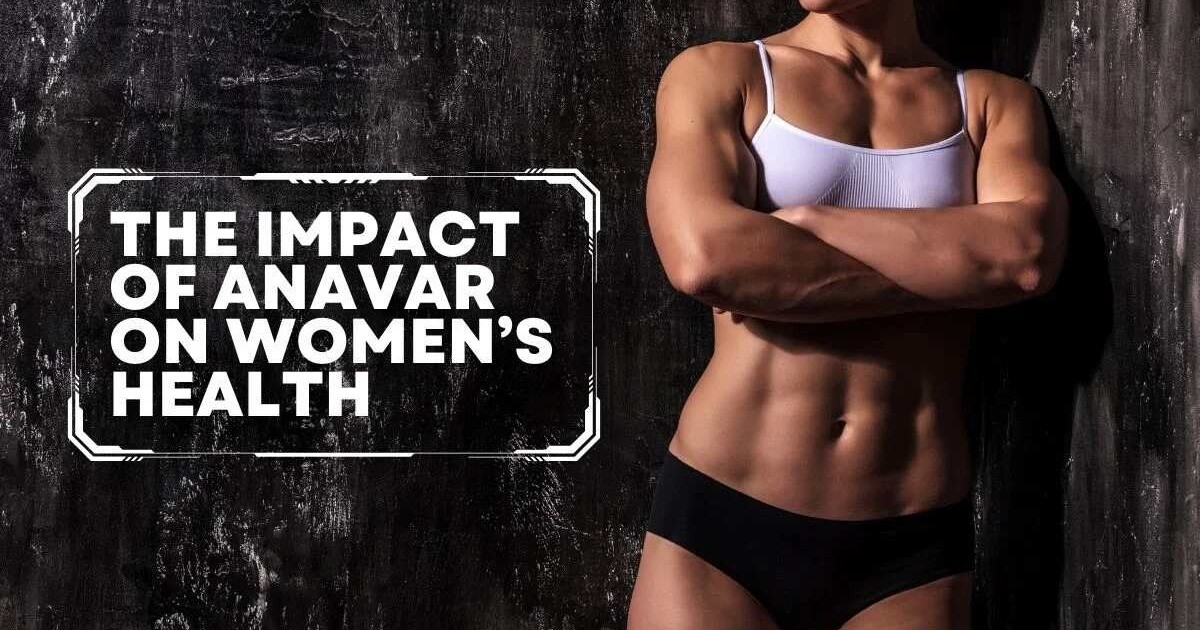
Achieving 15% body fat is often seen as a hallmark of physical fitness, offering health and aesthetic benefits. This level, characterized by visible muscle definition and improved cardiovascular health, is usually attainable through a disciplined blend of diet, exercise, and lifestyle changes. Men often exhibit more pronounced muscularity at this percentage, while women, due to naturally higher essential fat levels, will have a fit, toned appearance. It’s important to adapt approaches to individual health needs and consult professionals for tailored advice.
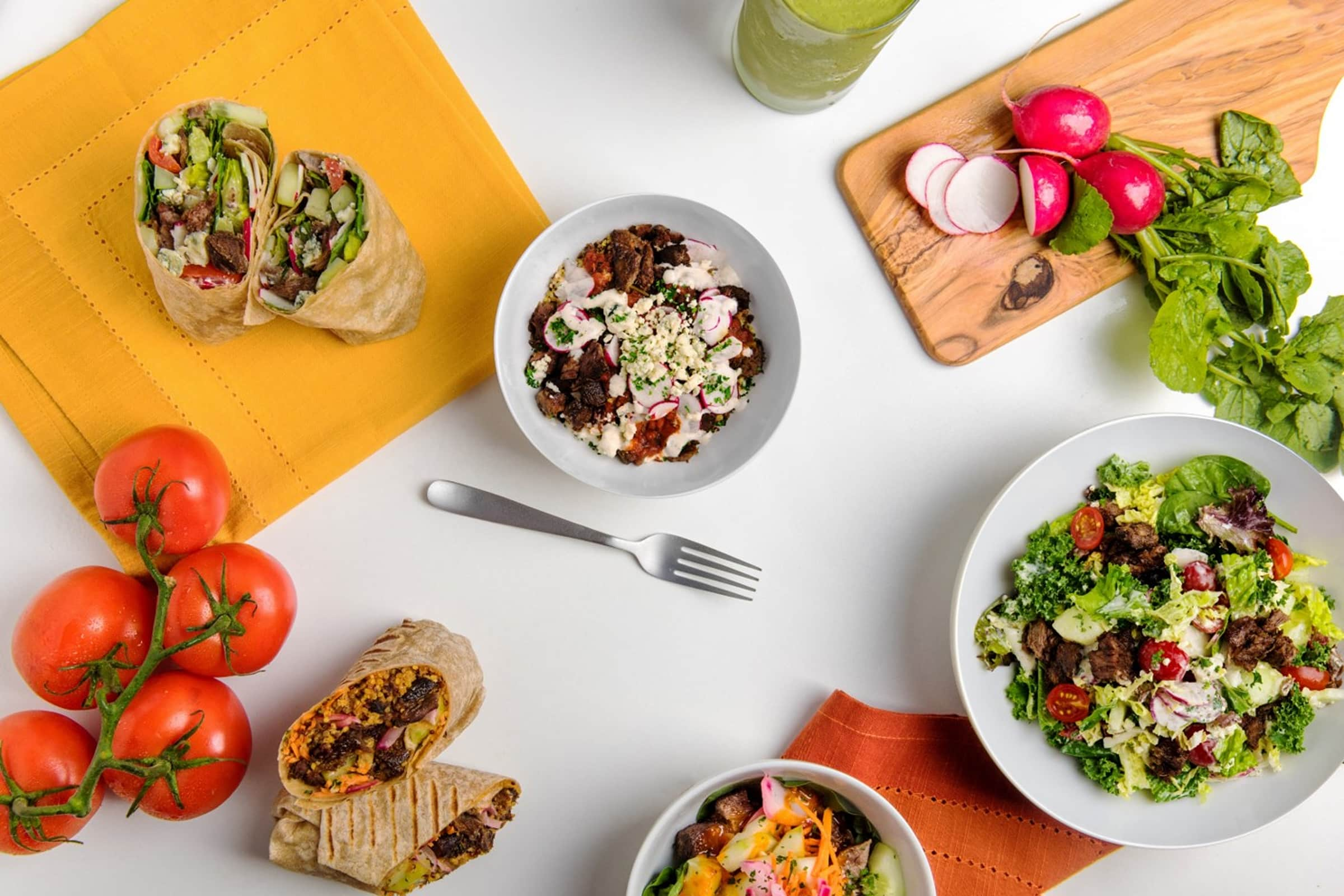
Protein Bar and Kitchen

Protein bars have become staples in fitness and health communities, offering quick protein boosts post-activity. Available in versatile flavors and dietary preferences like vegan or keto, they are a convenient snack solution. Balancing pre-packaged snacks with home cooking lets you control ingredients, ensuring personalized nutrition.

The Mastoid Process: Anatomy and Clinical Significance

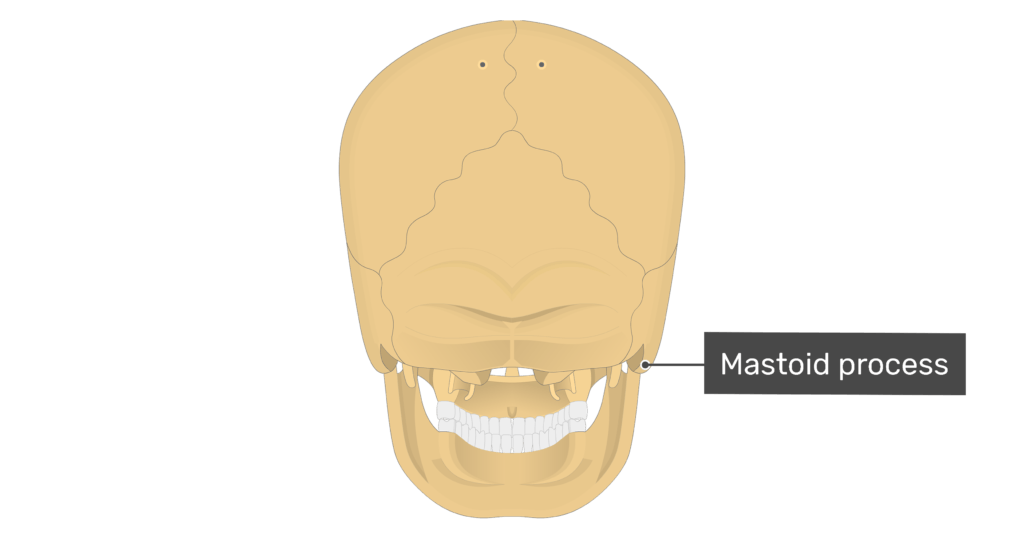
The mastoid region is part of the temporal bone located behind the ear. It features a protruding mastoid process filled with air cells connecting to the middle ear. This area supports neck muscles and helps maintain air pressure in the ear. Its role is vital, with potential health concerns including mastoiditis, which can arise from ear infections. Due to its closeness to structures like the facial nerve and brain, careful surgical and medical attention is necessary for conditions affecting this region.

Indica vs. Sativa: The Key Differences Between Cannabis Species

Indica and sativa are two primary subspecies of the cannabis plant, distinguished by their growth patterns, effects, and traditional uses. Indica plants, shorter and bushier, are well-suited for colder climates and shorter growing seasons, often associated with relaxing, sedative effects. Sativa plants, taller with narrower leaves, thrive in warmer climates, known for their uplifting, energizing effects. These differences influence the plants’ chemical composition, affecting cannabinoid and terpene profiles. However, hybridization now blends these characteristics for customized effects.

Starvation: How Long Can the Human Body Last Without Food?

The length of time a person can survive without food varies based on individual factors like health, body composition, hydration, and environmental conditions. Typically, a healthy individual can endure several weeks without food, using fat stores and muscle mass for energy. However, hydration is critical as dehydration can lead to rapid decline and potentially be fatal within days. The body enters ketosis, utilizing fat for fuel, but prolonged food deprivation can cause severe complications like organ failure and weakened immunity. These situations require caution and medical supervision.

Hippopotomonstrosesquippedaliophobia: Phobia to Long Words

Hippopotomonstrosesquippedaliophobia, the ironic fear of long words, is an anxiety disorder within specific phobias. Despite its humorous naming, it causes significant distress. Symptoms include shortness of breath and rapid heartbeat. Originating from negative educational experiences, treatment often involves cognitive-behavioral therapy (CBT) for managing reactions and building confidence. This phobia underscores the impact language has on mental health.

Potato Perplexity: Unraveling the Vegetable Debate

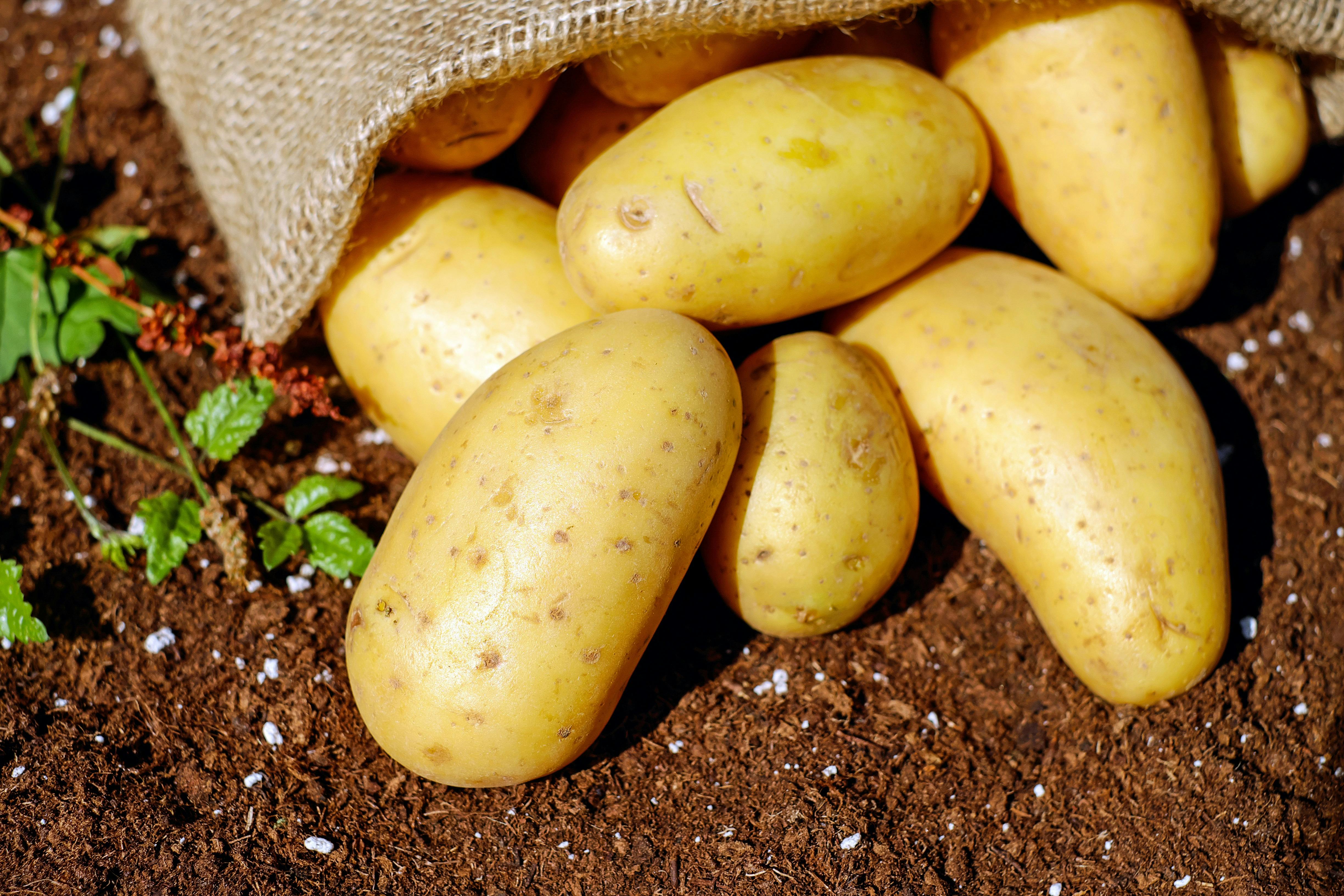
Yes, the potato is indeed classified as a vegetable. Botanically, potatoes are tubers, which are the thickened, fleshy parts of an underground stem of the plant Solanum tuberosum, belonging to the nightshade family. Nutritionally, potatoes are rich in carbohydrates, particularly starch, and provide essential vitamins such as vitamin C and B6, along with minerals like potassium and magnesium. They are versatile in culinary applications, including boiling, baking, and frying, making them a staple in many cuisines worldwide.

The Cortisol Cocktail: Can This Drink Help Reduce Stress?

In the realm of stress physiology, the “cortisol cocktail” is a colloquial expression that describes a combination of strategies to manage cortisol levels, the hormone associated with stress. Chronic high levels of cortisol can lead to issues like impaired immune function and obesity. A typical cortisol cocktail may include nutritional supplements, lifestyle changes, and dietary adjustments, forming a comprehensive stress management strategy. Key is the importance of individualization, as responses to stress vary. Consulting healthcare professionals is advisable before starting any new regimen to ensure safety and effectiveness.

How Vegan Bodybuilders are Redefining Strength and Nutrition

Vegan bodybuilding has emerged as a compelling movement within the fitness world, challenging traditional perceptions of protein primarily sourced from animal products. Athletes who adhere to this plant-based discipline demonstrate that it is entirely feasible to build significant muscle mass and achieve peak physical performance by consuming a well-balanced vegan diet, rich in diverse sources such as legumes, grains, nuts, seeds, and increasingly popular plant-based protein supplements like pea, hemp, and soy protein. Emphasizing ethical and environmental considerations, vegan bodybuilders advocate for cruelty-free nutrition while showcasing that adequate macro and micronutrient intake can be deftly maintained without animal derivatives.

Power Up Your Breakfast: The Rise of Blueberry Muffin Protein

In the evolving world of nutrition, enthusiasts constantly seek out innovative ways to fuel their bodies while tantalizing their taste buds. One such innovation is the inclusion of blueberry muffins protein powder in diets, a blend that promises not only to enhance your protein intake but to do so with the delightful taste reminiscent of freshly baked blueberry muffins. Known for their antioxidant properties, blueberries are rich in vitamins and minerals, offering a myriad of health benefits. When blueberries are combined into a protein powder, they provide not only the customary benefits of protein supplementation…

Arch Allies: How Your Foot’s Structure Supports Every Step

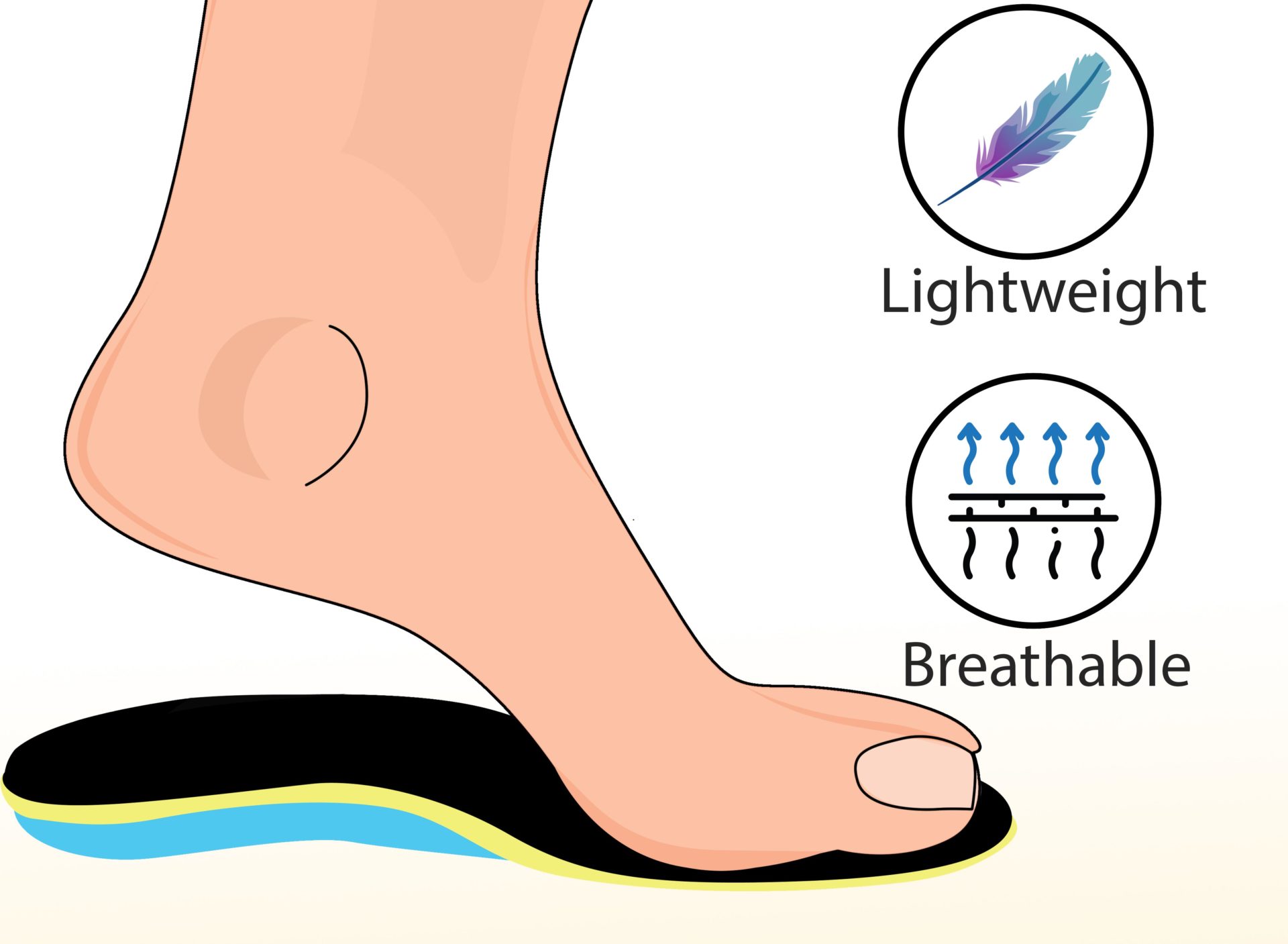
The arch of the foot is a marvel of anatomical engineering, providing both strength and flexibility. It comprises three sections: the medial, lateral, and transverse arches, each crucial for supporting weight and shock absorption. The medial arch, the most prominent, spans from heel to ball, involving the talus, navicular, and cuneiform bones. Its spring-like properties help absorb impact, reducing stress on legs and spine. Dysfunction can lead to overpronation or underpronation, causing discomfort or injury, highlighting its critical role in daily and athletic activities.

The World of Vesicles: Key Players in Cellular Communication

In biology, vesicular structures refer to small sacs enclosed by lipid bilayers within cells, essential for transporting and storing substances. They are integral in processes like exocytosis and endocytosis, helping maintain cellular homeostasis and facilitating intercellular communication. These structures are being explored for innovations in drug delivery systems and understanding disease mechanisms, particularly in neurological disorders. In geology, vesicular formations in volcanic rocks provide insights into past volcanic activities, aiding in resource extraction and predicting future eruptions.

Embracing Neurodiversity: The Strengths of High-Functioning Autism

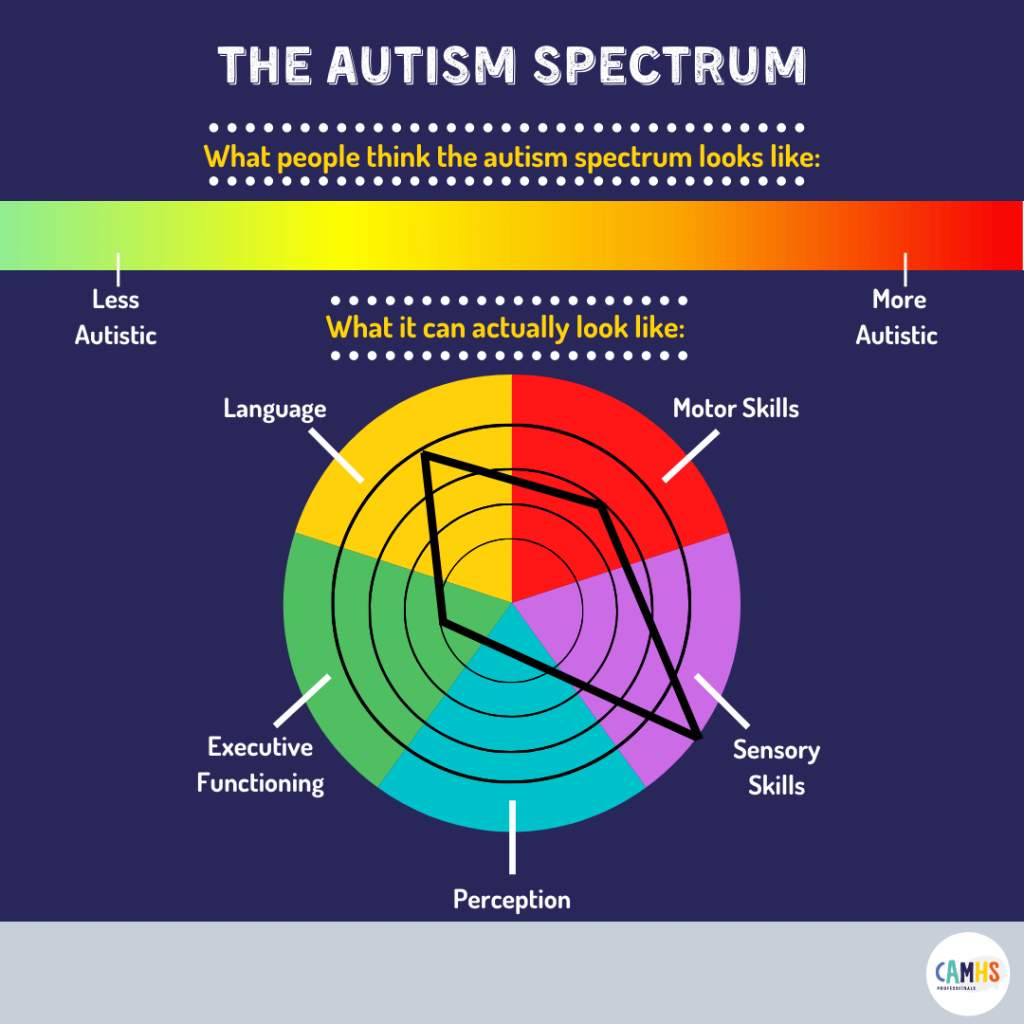
High-functioning autism (HFA) refers to individuals on the autism spectrum with cognitive and language capabilities enabling them to handle everyday tasks similarly to their neurotypical peers. Although they may struggle with social interactions, communication, and repetitive behaviors, they usually don’t have intellectual disabilities associated with other autism forms. People with HFA often possess average or above-average intelligence and can thrive in traditional educational and employment settings. Special talents, especially in fields requiring detail and focus, are common among them, though support is essential for navigating social complexities.

Top High-Protein, Low-Calorie Foods You Need to Try

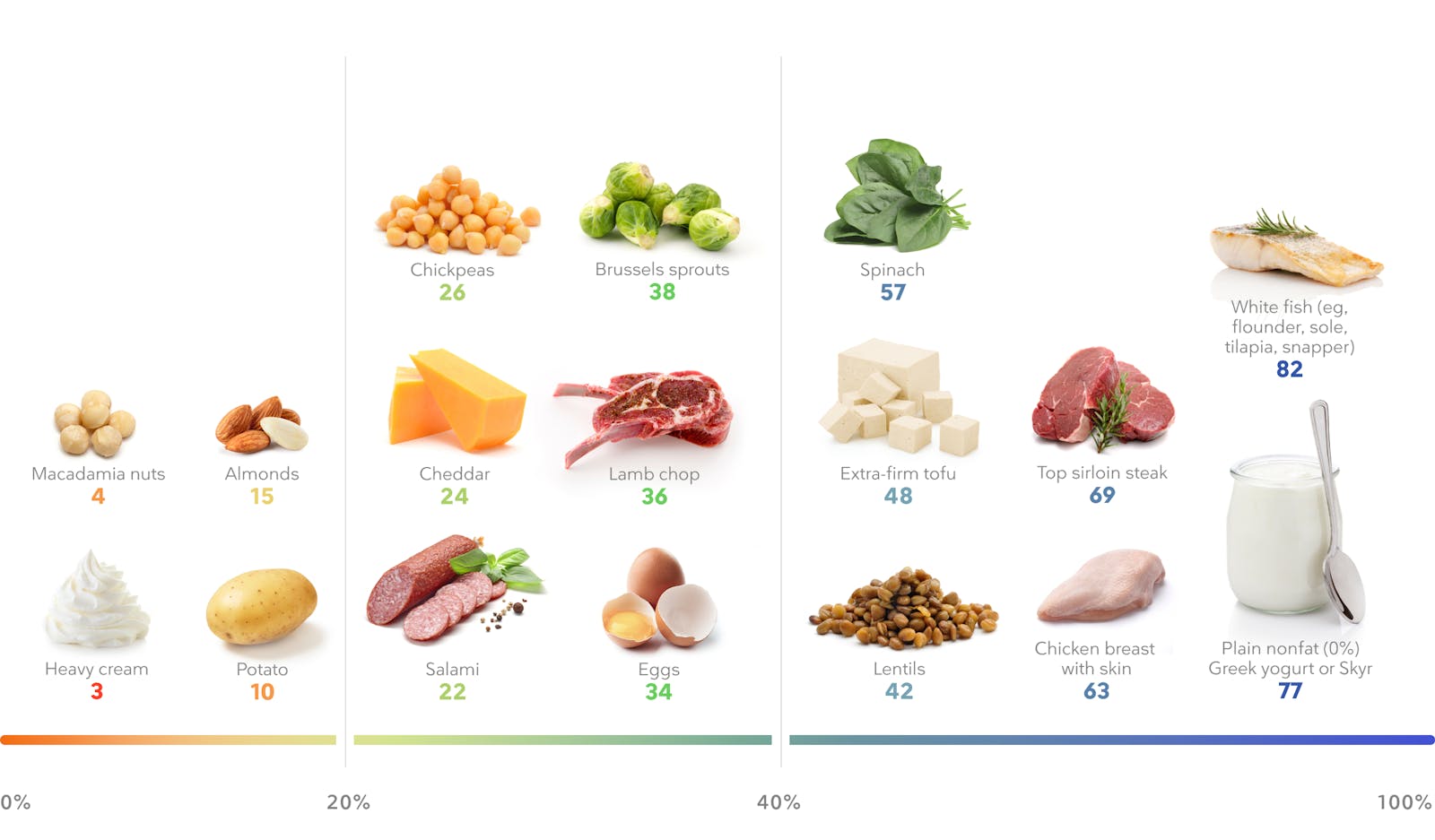
In the quest for a healthier lifestyle, balancing nutrient intake is crucial. Among the nutrients, protein is fundamental due to its vital role in tissue repair and muscle growth. However, not all sources align with dietary goals, especially when maintaining a low-calorie intake. Lean meats like chicken breast, Greek yogurt, egg whites, cottage cheese, and lentils are excellent choices, offering high protein without high calories. These foods not only support nutritional needs but also help maintain calorie limits, promoting satiety and aiding in muscle growth or weight management.

Decoding the BMI Chart: What Your Number Really Means for Your Health

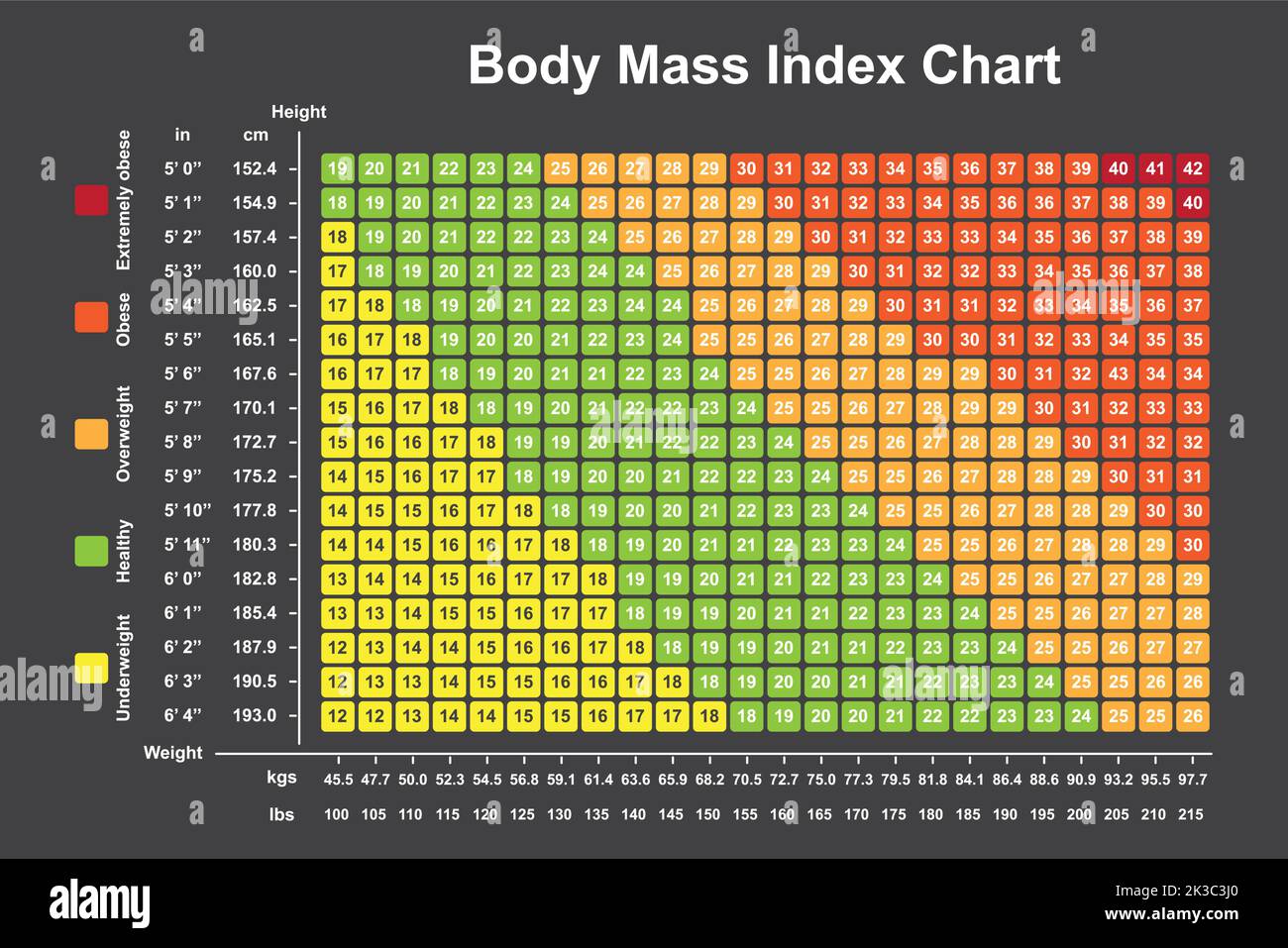
The Body Mass Index (BMI) chart is a visual tool used to assess healthy weight based on height and weight. It categorizes individuals as underweight, normal weight, overweight, or obese using a calculation of weight in kilograms divided by height in meters squared. Although widely used, BMI has limitations: it doesn’t account for muscle mass, bone density, or body composition variations. Athletes may be mislabeled as overweight despite low body fat. Thus, while useful for initial screening, BMI should be complemented with other health assessments for accuracy.

Top Quadricep Exercises for Building Power and Endurance

Quadricep exercises are essential for strengthening the large muscle group located at the front of the thigh, crucial for movements such as walking, running, and jumping. These workouts enhance lower-body strength, improve joint stability, and boost athletic performance. Popular exercises include squats, lunges, and leg presses, each targeting the quads with varying intensity. Variations like front squats or Bulgarian split squats add intensity and ensure balanced muscle development, while isometric exercises build endurance. Regular quadricep workouts contribute to toned, powerful legs and support the knee joint, aiding in injury prevention and enhancing flexibility.

Vastus Lateralis: The Powerhouse of the Quadriceps

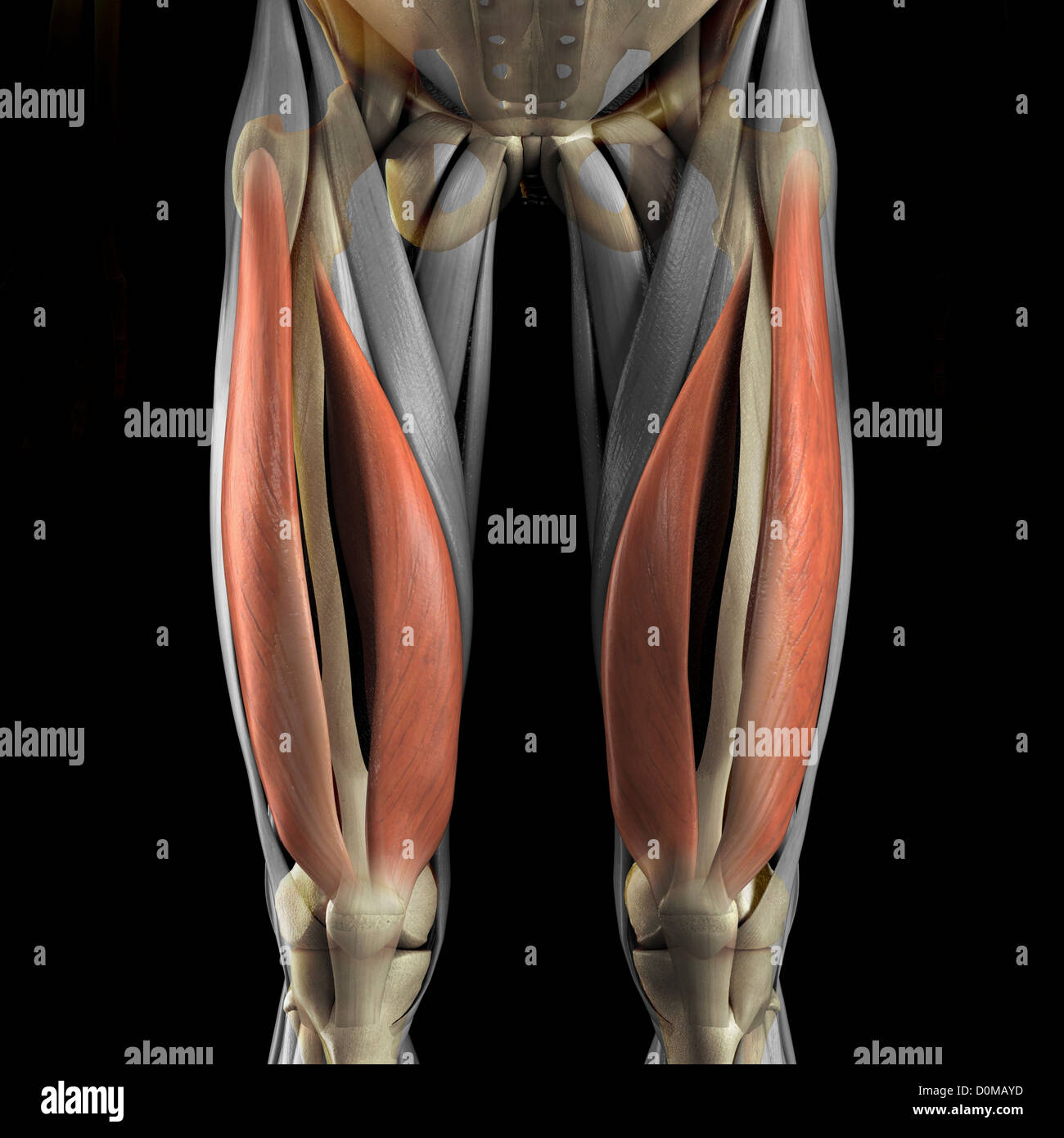
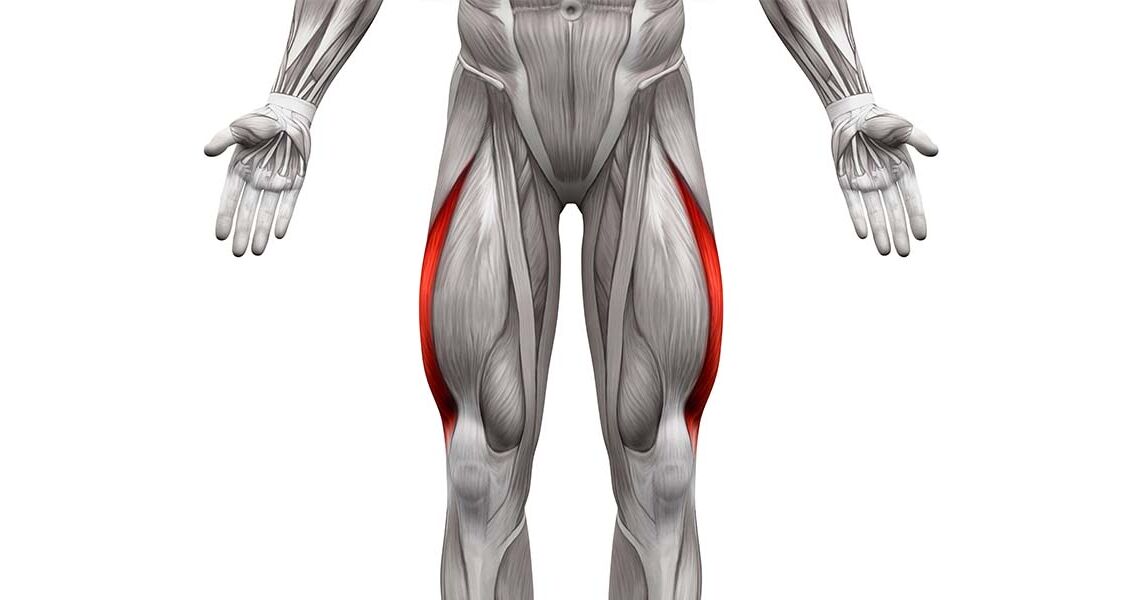
The lateralis muscle, part of the vastus lateralis, is a crucial component of the quadriceps group in the thigh’s anterior compartment. It is the largest and most powerful quadriceps part, responsible for knee extension and vital in actions like walking, running, and jumping. Originating from the greater trochanter and linea aspera of the femur, it inserts into the patella. Due to its size, it is often targeted in strength training and intramuscular injections, aiding performance and knee injury prevention by stabilizing the patella.

Unlocking the Power of Lipids: Essential Facts You Need to Know

Lipids are vital molecules in biological systems, primarily composed of hydrocarbons, making them hydrophobic. They form essential cell membrane structures with phospholipids creating lipid bilayers, crucial for sustaining protein functions. Lipids also serve as significant energy storage sources, as triglycerides in adipose tissues. Additionally, they participate in signaling pathways, with steroid hormones derived from cholesterol regulating physiological processes. Beyond energy and signaling roles, lipids provide insulation and organ protection, highlighting their critical role in maintaining life’s functions.

Lip Pimple or Cold Sore? How to Identify and Treat Bumps on Your Lips

Pimples on the lip can be uncomfortable and sometimes painful, often arising from clogged pores, hormonal changes, or excess sebum production. These blemishes, although usually harmless, can affect one’s confidence. Prevention involves maintaining proper hygiene and using non-comedogenic products, while treatment may include topical solutions with salicylic acid or benzoyl peroxide. If issues persist, consulting a dermatologist for tailored treatment is advisable.

Decoding Your Blood Test: Understanding MCHC Levels

Blood work, or blood tests, are critical diagnostic tools used to evaluate overall health, diagnose conditions, and monitor treatments. One key component of a complete blood count (CBC) is the Mean Corpuscular Hemoglobin Concentration (MCHC). MCHC reflects the average hemoglobin concentration in red blood cells, measured in grams per deciliter (g/dL). It offers insights into hemoglobin content relative to the size of red blood cells, aiding in the diagnosis of various anemias and hematological conditions. Low MCHC might indicate hypochromic anemia, while high MCHC can suggest hereditary spherocytosis.

High Level of Monocytes: Causes and Implications

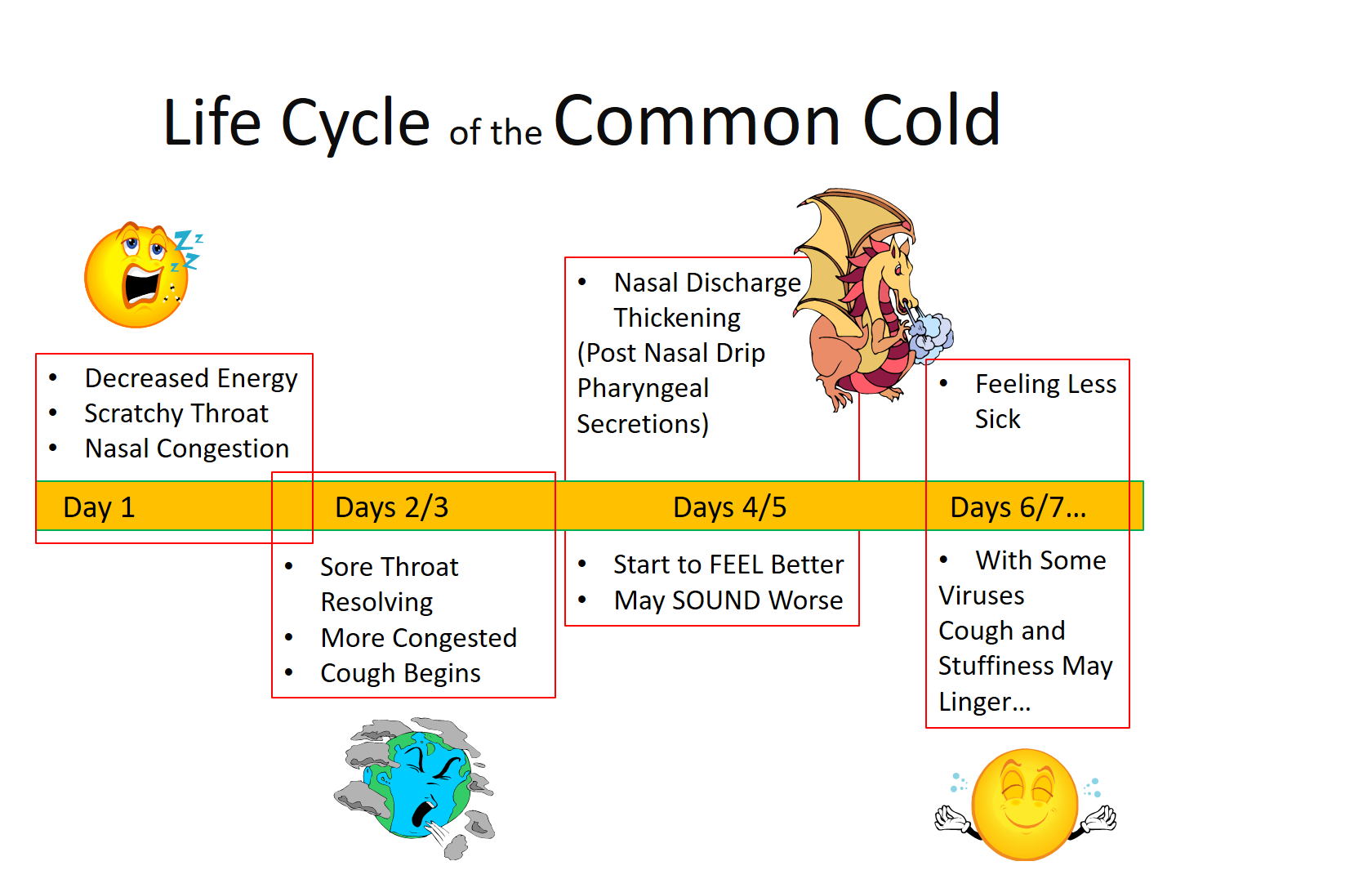
Monocytes are a type of white blood cell that play a crucial role in the body’s immune response by combating infections and aiding in tissue repair. A high level of monocytes, known as monocytosis, can indicate various health issues. This elevation often occurs in response to chronic inflammatory conditions, such as autoimmune diseases, or infections, including tuberculosis and viral ailments. Additionally, high monocyte counts may be linked with blood disorders like leukemia. Persistently elevated levels require thorough medical evaluation to determine the underlying cause through detailed blood tests.

Delicious Gluten-Free Snacks: Satisfying Every Craving

Snacks suitable for a gluten-free diet have become increasingly diverse and flavorful, catering to those with celiac disease or gluten sensitivity. The market now offers tasty options without sacrificing texture, using naturally gluten-free foods like fruits, vegetables, nuts, and seeds. Additionally, brands offer gluten-free snacks made from alternative flours like chickpea, rice, or cassava, and granola bars with certified gluten-free oats. These snacks maintain nutritional balance, appealing to those with gluten intolerances and anyone exploring diverse snacking possibilities.

Exploring the Vital Roles of Connective Tissue in the Body

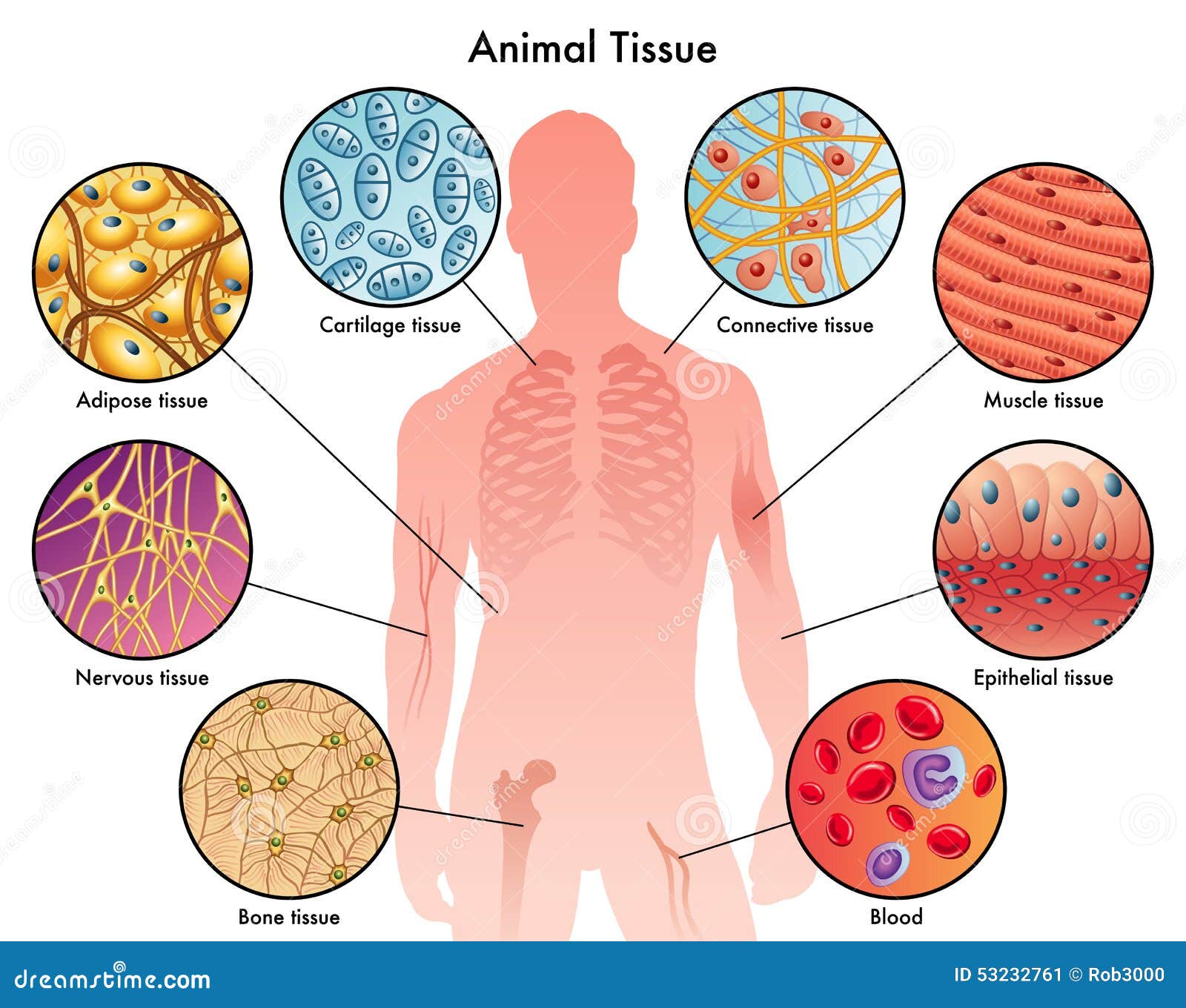
Connective tissue is vital for the body’s structure and function, providing support, protection, and a framework linking organs and tissues. It comprises diverse cells and fibers, playing crucial roles in immunity and tissue repair. Connective tissue also facilitates nutrient and waste exchange, and its extracellular components maintain elasticity and strength, ensuring bodily integrity.

How the Vastus Lateralis Muscle Boosts Athletic Performance

The vastus lateralis is a crucial component of the human muscular system, vital for knee extension and maintaining balance. Part of the quadriceps group, it originates from the femur and inserts into the patella, playing a key role in running, jumping, and squatting. It ensures patella stability and smooth knee mechanics, significantly contributing to athletic performance with training focused on strengthening through exercises like squats and lunges. Enhanced vastus lateralis strength leads to improved performance and reduced injury risk, emphasizing its importance for a healthy, active lifestyle.

Left Menu Icon
Your Cart