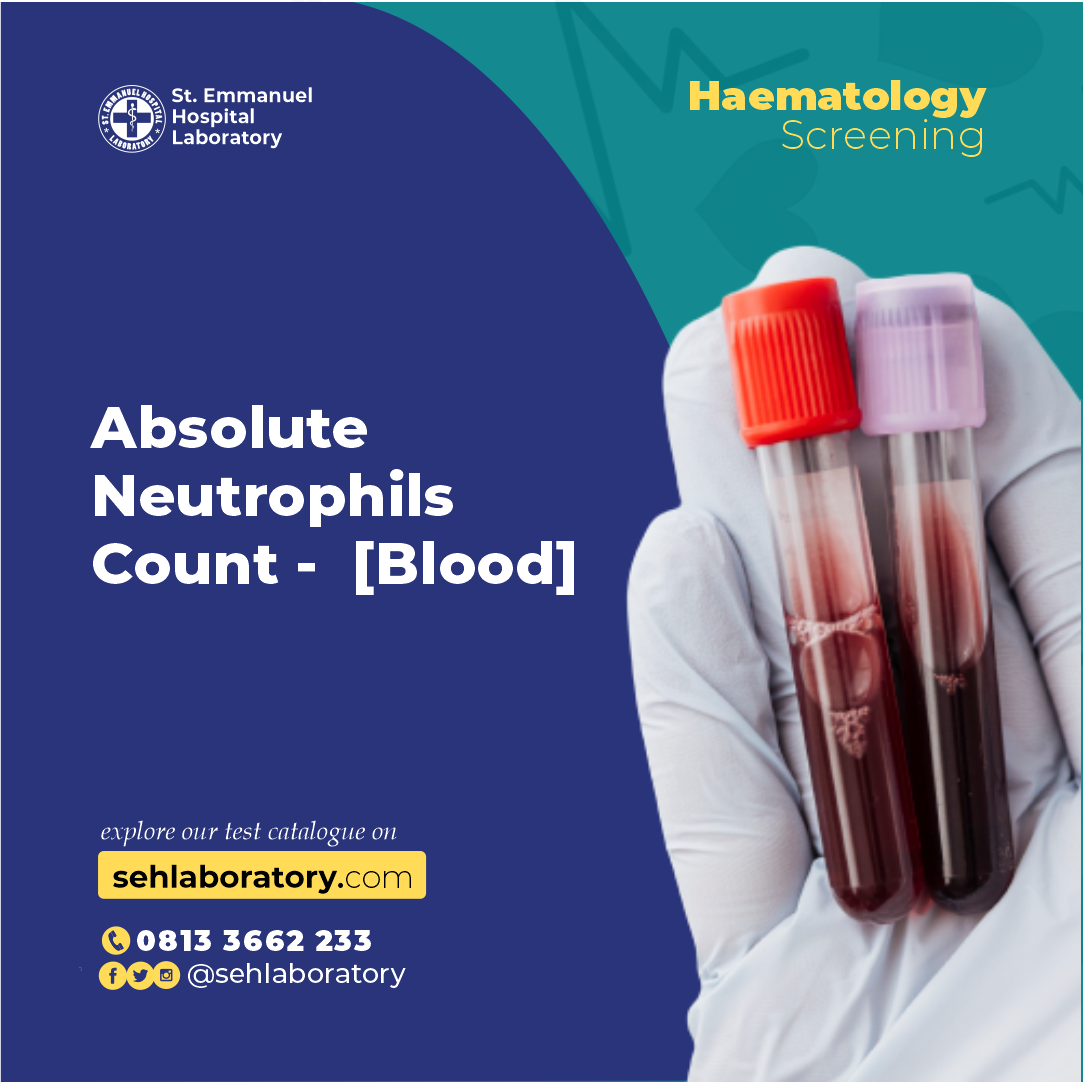
Understanding Absolute Neutrophil Count: Abs Neut Count

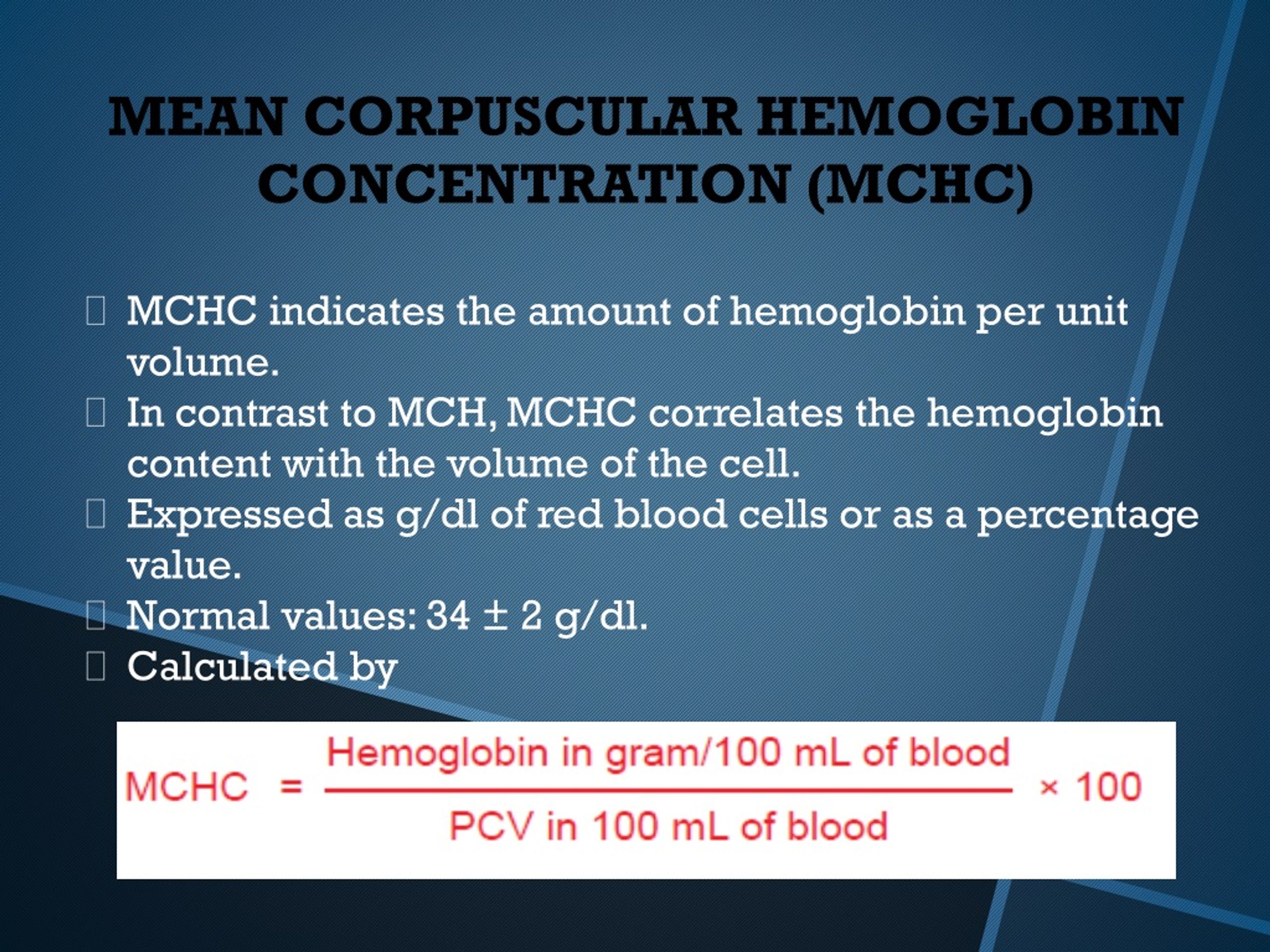
Absolute Neutrophil Count (ANC) is integral in assessing immune system status, vital in combating infections. It’s calculated from white blood cell counts, reflecting the body’s infection-fighting capacity more accurately than total white blood cell counts alone. ANC below 1,500 cells/µL signals elevated infection risk, crucial for treatment planning.

Feet on the Earth: How Grounding Daily Can Transform Your Well-Being

In our fast-paced modern world, feeling uncentered and stressed has become all too common. One effective practice to counteract these feelings is grounding. Grounding daily can help individuals reconnect with the earth and themselves, offering a simple yet powerful tool to enhance emotional well-being and physical health. Grounding, also known as earthing, involves reconnecting your body to the earth’s electrons by physical contact.

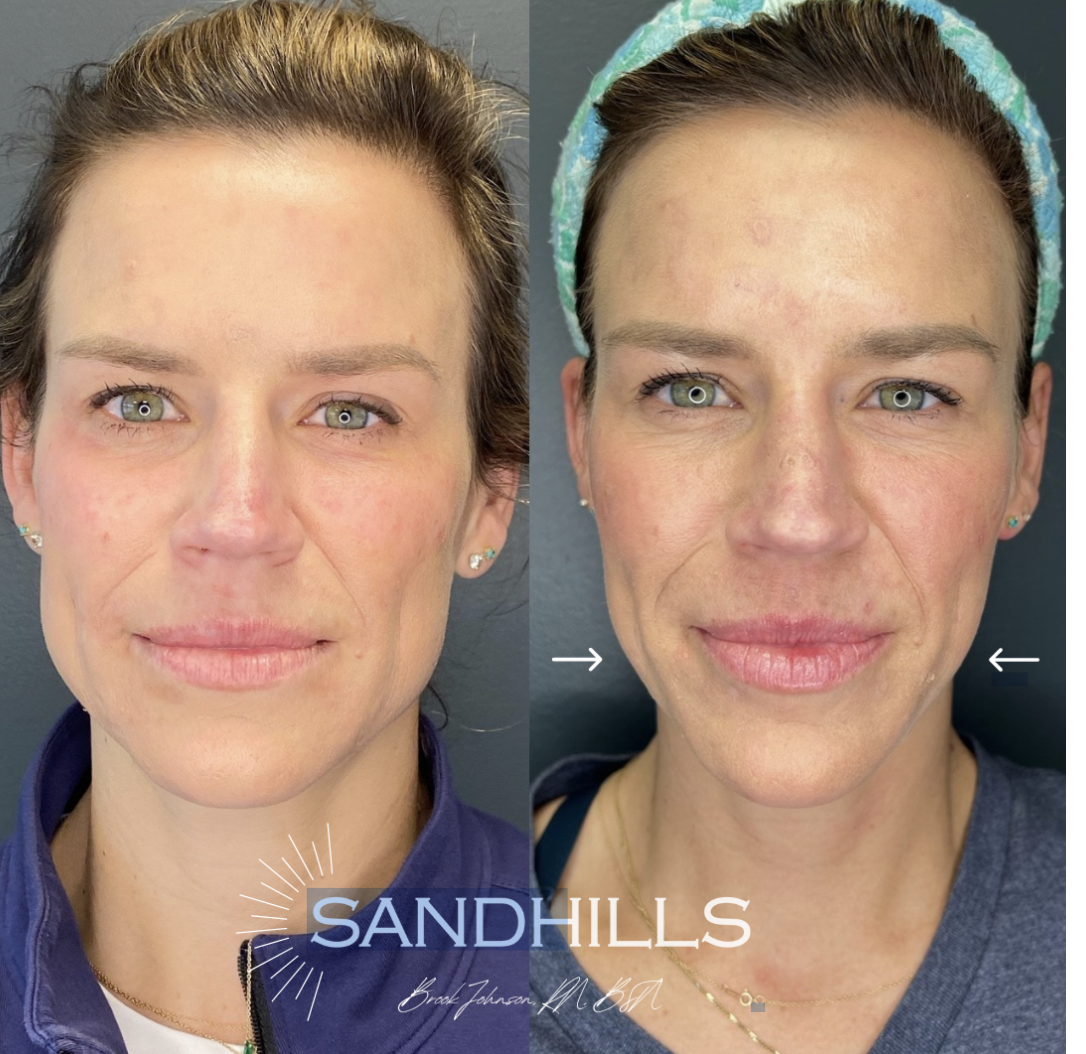
Slim Your Face: The Rise of Botox for Masseter Muscle Reduction

Botox injections in the masseter muscle have become increasingly popular for aesthetic and therapeutic purposes. This procedure involves injecting botulinum toxin into the masseter muscles at the jaw’s sides to relax and weaken them. Aesthetically, it helps create a slimmer jawline, especially for those with a square face due to muscle hypertrophy. It also offers relief from bruxism and TMJ disorders. Results appear within weeks and can last months, requiring regular maintenance. A qualified professional should perform the procedure to ensure safety and efficacy.

The Mystery: What Do White Dots on Your Nails Mean?

White dots on nails, known medically as leukonychia, occur commonly as small white spots or lines on the nail plate. Typically resulting from minor trauma to the nail matrix—like aggressive manicuring—these marks usually grow out as the nail does. Though often harmless, persistent spots could signal underlying health issues, necessitating a professional evaluation.

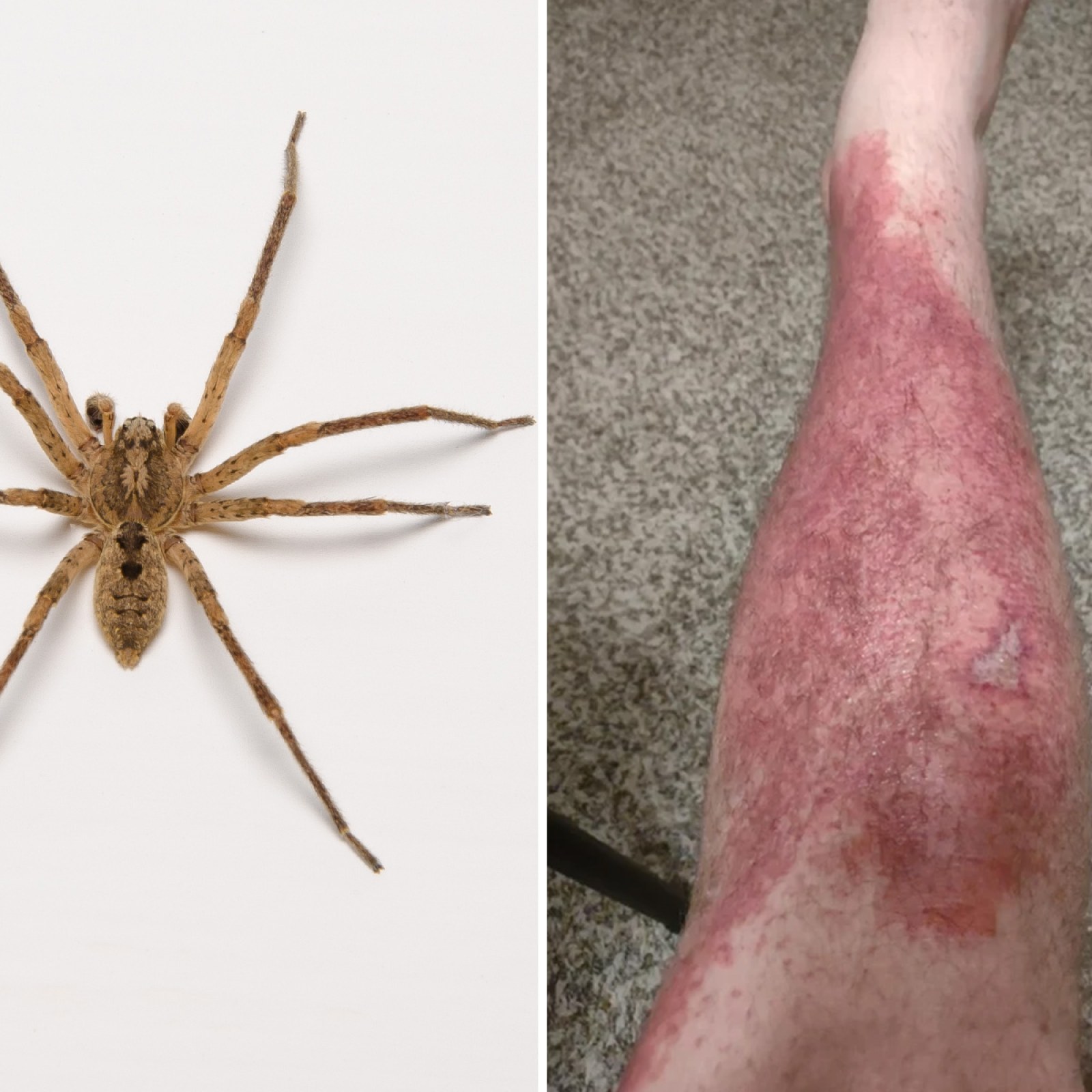
Spider Bite Wolf Spider: Myths, Facts, and First Aid Tips

Wolf spiders, members of the Lycosidae family, are agile hunters known for their sharp vision, often found in forests and gardens. They don’t build webs but instead ambush prey. Though generally not aggressive, they may bite if threatened. Their bites typically lead to mild symptoms like redness and swelling, akin to bee stings, and are not medically significant.

Unlocking the Power of CoQ10: Top Health Benefits and Uses

Coenzyme Q10 (CoQ10) is a naturally occurring antioxidant found in our cells, crucial for energy production by aiding in ATP creation. Recognized for cardiovascular benefits, CoQ10 improves heart energy, reduces oxidative damage, and prevents LDL cholesterol oxidation, aiding heart health. Athletes use it to boost performance by reducing muscle oxidative stress. Also beneficial for skin, it protects against UV damage, reducing aging signs. Promising in neurological health, it supports brain cells and may help with diseases like Parkinson’s and Alzheimer’s. Always consult healthcare providers before supplementation.

Magnesium Glycinate vs. Citrate: Which is the Better Choice for You?

Magnesium glycinate and magnesium citrate are two popular magnesium supplements, each with unique characteristics. Magnesium glycinate is chelated, bound to glycine, resulting in better absorption and fewer gastrointestinal side effects, like diarrhea. It’s ideal for sensitive digestive systems and for improving sleep and calmness. Meanwhile, magnesium citrate, combined with citric acid, offers high bioavailability and a laxative effect, making it suitable for constipation but possibly challenging for sensitive stomachs. Choosing between them depends on health goals and tolerance.

How Long Does COVID-19 Last? Short and Long-Term Impacts

The duration of COVID-19 varies based on health, age, and underlying conditions. Mild cases often last 1-2 weeks, but severe cases, especially those hospitalized, can have symptoms for weeks. Long COVID, or post-acute sequelae, may last months with symptoms like fatigue and cognitive issues. Variants, vaccination, and healthcare access can affect recovery.

The Psychology of Popping: Why We Can’t Resist Squeezing Zits

Zit popping, a widely debated and oddly satisfying activity, involves breaking the surface of a pimple to release its contents, such as sebum, bacteria, and dead skin cells. Although some find it gratifying, dermatologists caution against it due to risks like skin damage, infection, scarring, and spreading bacteria. Even as many seek immediate relief, safer alternatives, like topical treatments or professional extractions, are advised to maintain clear skin without DIY risks.

What is Considered Average Height for Men Worldwide?

Height is a fascinating aspect of human biology, influenced by genetics, nutrition, and environmental factors. Understanding the average stature for men across different regions provides insights into these influences while highlighting height’s impact on social perceptions. In today’s discussion, we’ll explore the various factors contributing to what is considered the typical height.

The Healing Power of Hibiscus: A Guide to Its Health Benefits

The hibiscus flower, part of the Malvaceae family, is renowned for its vibrant beauty and variety, including species known as hibiscus or rose mallow. With large, trumpet-shaped blooms in colors from reds and pinks to yellows and whites, it’s a garden favorite. Beyond their beauty, hibiscus flowers are culturally significant, symbolizing beauty and unity. They are also used in herbal teas and medicines, with hibiscus tea valued for its tartness and potential health benefits, such as aiding digestion and supporting heart health.

Pimples vs. Cysts: The Differences and Proper Care Tips

Understanding the causes, treatments, and preventative measures for pimples and cysts can pave the way for clearer skin. Pimples, common in teenagers, occur from clogged hair follicles. Treatments include salicylic acid or benzoyl peroxide. Cysts, more painful and deeper, often require medical intervention like antibiotics or retinoids, especially in severe cases. Hormones and genetics play roles in cyst formation, and lifestyle changes can aid prevention. Consulting a dermatologist helps in managing persistent issues, with resources available on sites like WebMD and Healthline for further guidance.

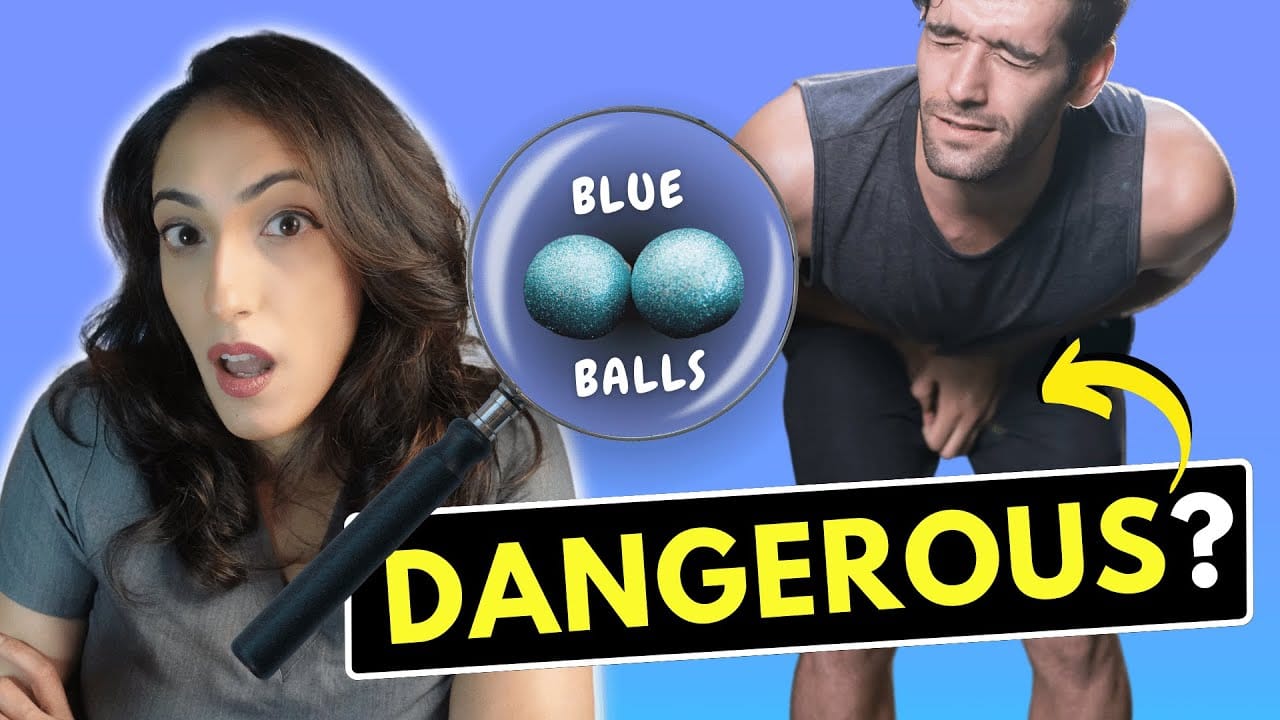
Debunking the Myth: Understanding the Truth Behind ‘Blue Balls’

“Blue balls” is a colloquial term for a temporary condition affecting those with testicles during prolonged arousal without ejaculation. Medically, it’s known as epididymal hypertension, marked by aching or discomfort due to increased blood flow. Although linked to sexual frustration, it’s not harmful and typically resolves after arousal decreases or ejaculation. Recognizing the condition without trivializing it acknowledges the legitimate physiological responses involved.

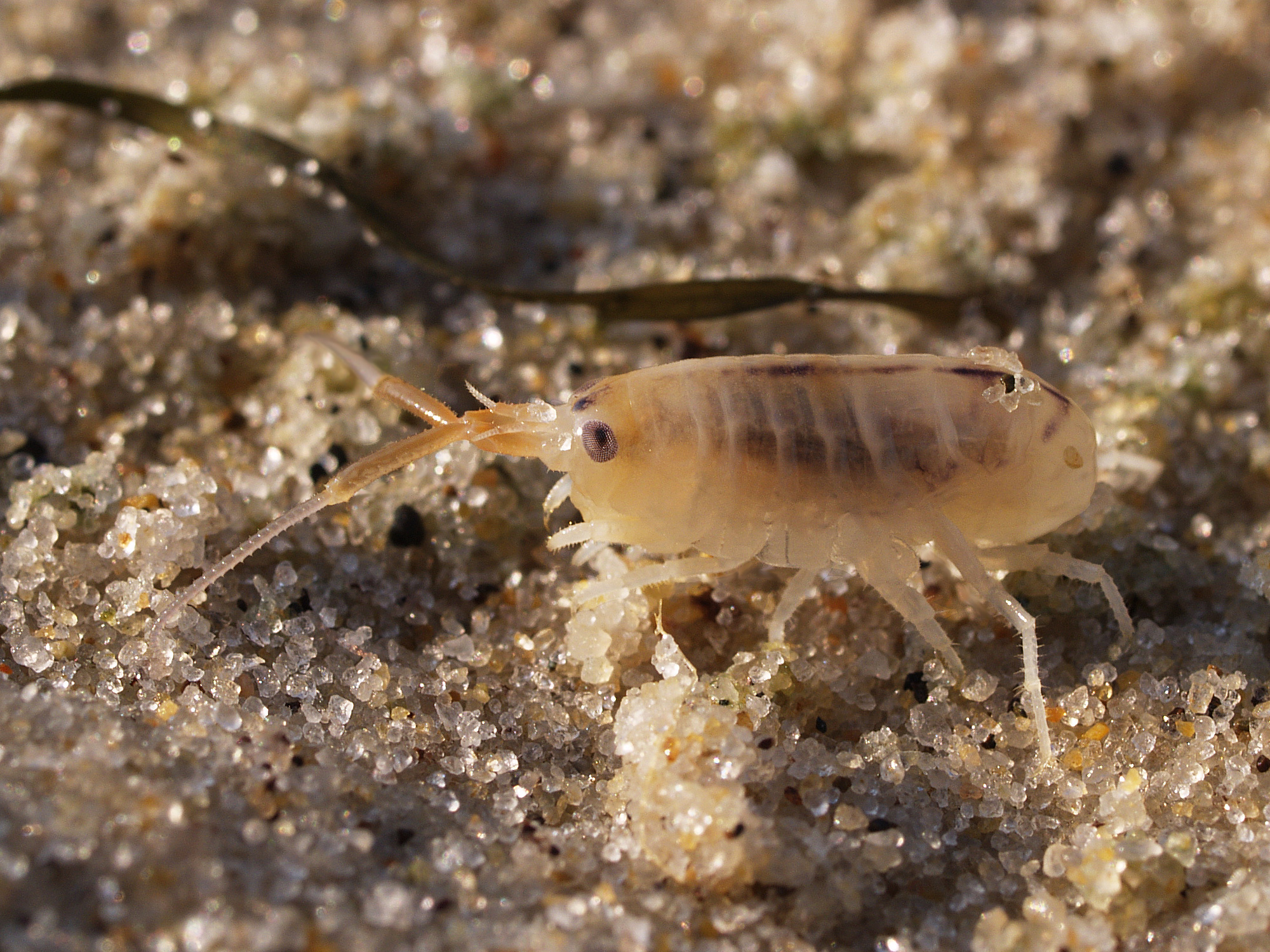
Fleas in Sand and Their Impact on Coastal Ecosystems

Fleas in sand are small, wingless insects thriving in warm, humid climates. Their life cycle includes four stages: egg, larva, pupa, and adult. Eggs can accumulate in sandy areas, leading to larvae that feed on organic matter and eventually emerge as adults. Sandy environments can temporarily shelter flea eggs introduced by animals or humans. To prevent fleas in sand, maintain hygiene for pets, clean sandy areas, and use anti-flea sprays. Environmental changes like trimming grass and removing debris can help manage flea populations. Understanding their life cycle aids in prevention and management.

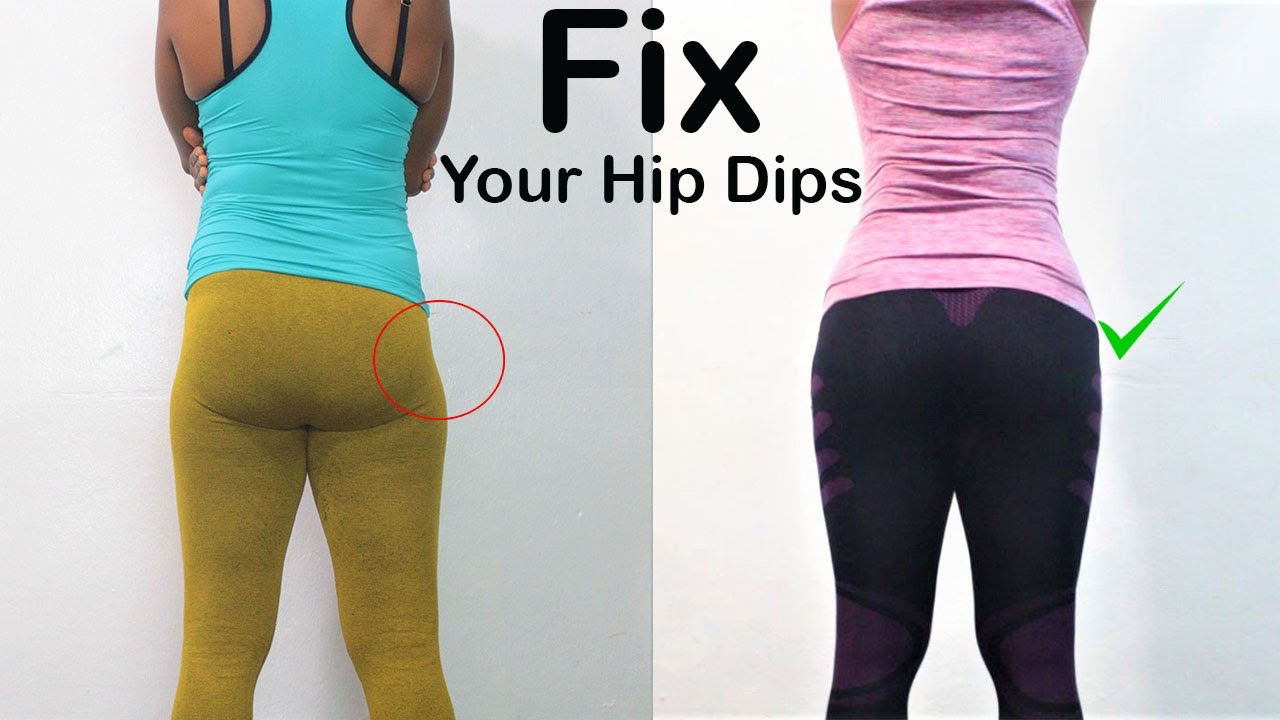
Dips Don’t Lie: How to Sculpt Your Hips with Simple Exercises

When it comes to appetizers, few options are as versatile and universally adored as dips hips. These delightful combinations of ingredients can transform ordinary gatherings into memorable experiences. The charm of dips hips lies in their simplicity and diversity, making them an ideal choice for flavor experimentation. From classic guacamole to innovative concoctions, their adaptability allows dips hips to cater to every palate. Crafting the perfect dips hips involves balancing flavors and adding texture, making them both a culinary delight and a favored choice for any occasion.

How Does the Average Height of Women Vary Across the Globe?

The average height of women varies significantly across regions due to genetic, nutritional, and environmental factors. In developed countries, the average height for women is around 5 feet 4 inches (162.5 cm). Dutch women are among the tallest, averaging over 5 feet 7 inches (170 cm), while women in parts of Southeast Asia and Latin America are often shorter. These variations reflect genetic predispositions and lifestyle factors such as diet and healthcare. Globally, average heights have increased over the century, influenced by better nutrition and healthcare, though this trend has plateaued in some developed nations.

Understanding Eye Swelling: Causes and Effective Remedies

Swelling around the eye, or periorbital edema, is a concerning condition reflecting various health issues. It’s caused by fluid accumulation in tissues around the eye, leading to puffiness. Common causes include allergies, infections, trauma, sinusitis, or insect bites. Sometimes, it indicates systemic issues like kidney disorders. Treatment focuses on the cause but using cold compresses and consulting a healthcare professional is crucial if symptoms persist.

Chickpeas: The Mighty Legume Transforming Global Cuisine

Beans garbanzo, or chickpeas, have been cherished for their nutritious profile and versatile culinary use, originating from the Middle East and spreading globally. They offer a rich source of plant-based protein, fibers, and essential nutrients like iron and magnesium, aiding digestion and fostering bone health. Ideal for various diets, they help in weight management and are particularly beneficial for individuals with diabetes due to their low glycemic index. Chickpeas can be enjoyed whole in salads or stews, ground into flour for dishes like falafel, or blended into hummus, providing numerous delicious options for healthy eating.

Uncovering Yarrow: The Ancient Herb with Modern Healing Powers

Yarrow, scientifically known as Achillea millefolium, is a perennial herb celebrated for its medicinal properties and versatility. Originating from the Northern Hemisphere, it thrives in diverse environments. Historically, yarrow was used for wound healing and as a digestive aid. Its anti-inflammatory and antiseptic qualities make it a staple in herbal medicine. Yarrow is also valued in gardens for attracting beneficial insects and improving soil quality. Its striking appearance and multipurpose uses have made it a favorite among herbalists and gardeners alike.

Pleasure: How Skyn Condoms Are Redefining Intimacy

In the dynamic realm of personal health, selecting the right condom ensures both safety and pleasure. Skyn condoms, made from latex-free polyisoprene, offer a natural feel, ideal for those with allergies. Renowned for comfort, they promise enhanced sensation. Their diverse range includes options like extra lubricated and textured varieties. Rigorous testing ensures reliability. Skyn’s dedication to a realistic yet safe experience cements its popularity, appealing to all users seeking high-quality, latex-free choices.

Breakfast Craze: Why Blue Waffles are Taking Over Instagram

Blue waffles captivate imaginations with their striking appearance, achieved by using natural dyes like butterfly pea flower or blueberries. These vibrant waffles defy expectations and invite creativity in their presentation. Whether enjoyed during brunch or as a special treat, they maintain the delightful texture and taste of traditional waffles while offering an aesthetic twist. With adventurous toppings, they present a visually stunning dish that broadens the horizons of a classic breakfast staple.

Splitting

The concept of splitting is fundamental across various domains. In computing, it involves dividing data structures for efficient processing. In nature, processes like cell division rely on splitting for growth and diversity. Financially, stock splits help manage stock prices while maintaining equity value. Psychologically, splitting as a defense mechanism affects interpersonal relationships by creating black-and-white thinking, often addressed through therapies like dialectical behavior therapy. This multifaceted technique offers ways to optimize, adapt, and sustain growth across diverse fields.

Neurotic Neurosis: Understanding the Anxiety Within Anxiety

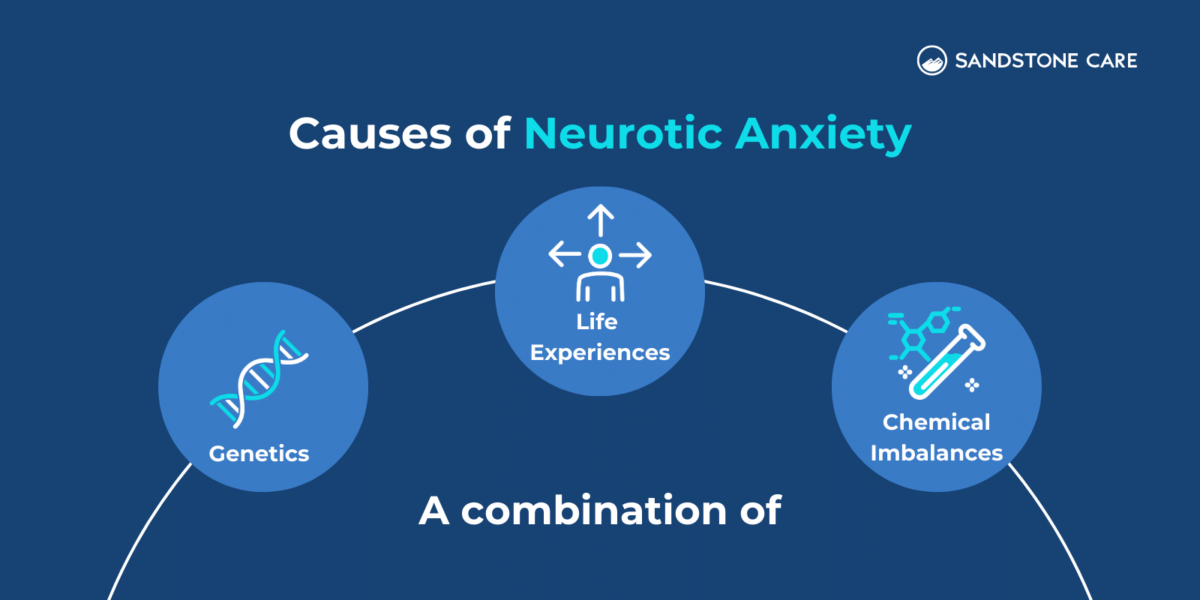
Neurotic neurosis delves into human psychology’s complexities, reflecting inner struggles and anxiety. Though not clinically defined, it represents an intense state of neuroticism with anxiety, heightened emotional reactions, and pervasive worry. Those affected often face overthinking, self-criticism, and relationship or decision-making challenges. Genetic predispositions, early experiences, and stress contribute to this state, yet therapeutic interventions like cognitive-behavioral therapy, mindfulness, and medication can aid recovery, supporting emotional resilience and mental health.

Confronting Thalassophobia: Ocean Phobia

Ocean phobia, or thalassophobia, is an intense fear of the sea, affecting one’s ability to enjoy ocean-related activities. It can arise from traumatic events or cultural influences depicting the ocean as dangerous. Symptoms include anxiety, increased heart rate, or panic attacks when near water. Therapy and gradual exposure are key to overcoming this fear, enabling sufferers to participate in social activities like swimming and boating, and improving their quality of life.

Beyond the Veil: Exploring Theories of the Afterlife

Death marks the cessation of biological processes, where the heart stops and brain activity ends. Oxygen deprivation leads to cell breakdown and bodily function cessation. Decomposition then follows as bacteria and enzymes disintegrate tissues. Culturally, beliefs about post-death fate vary, spanning afterlife, reincarnation, or non-existence, influencing societal mourning rituals and perceptions of mortality.

High ANC: What Elevated Neutrophil Counts Mean for Your Health

The term “high ANC” is frequently mentioned in medical discussions. ANC stands for Absolute Neutrophil Count, a measure used to determine neutrophils in the blood, essential for the immune system. High ANC may indicate an ongoing infection, stress, or medical conditions like leukemia. Elevated levels suggest effective immunity but may need investigation for issues like chronic inflammation or blood disorders. Monitoring ANC is crucial for health management.

Left Menu Icon
Your Cart