

Discover the Versatile Chayote: The Unsung Hero of Your Kitchen

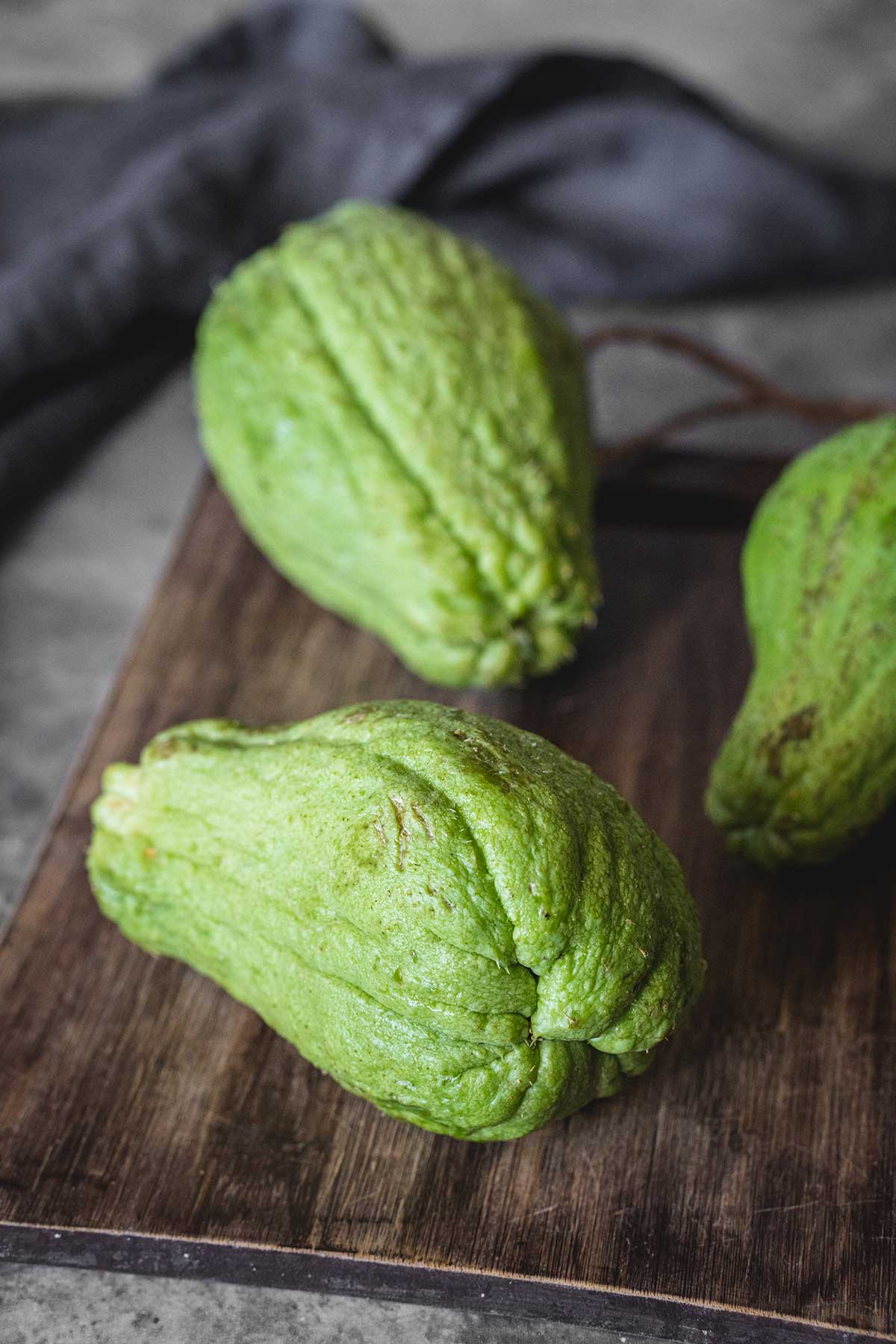
Chayote, often referred to as vegetable pear or mirliton, is a unique fruit that belongs to the gourd family. This bright green, wrinkled produce is widely used in a variety of cuisines around the world. Known for its mild flavor and crunchy texture, chayote is a versatile ingredient that lends itself well to both savory and sweet dishes.
The Origins and Nutritional Benefits of Chayote
Native to Mesoamerica, specifically regions of Mexico and Central America, chayote has been cultivated for centuries. Today, it is extensively grown in tropical and subtropical climates worldwide. Its adaptability to different culinary traditions makes it a staple in kitchens from Latin America to Southeast Asia.
Chayote is celebrated not only for its culinary uses but also for its impressive nutritional profile. It is low in calories and packed with vital nutrients like vitamin C, folate, and dietary fiber. Moreover, it contains antioxidants that boost overall health and may help reduce inflammation and oxidative stress.
Culinary Uses of Chayote
One of the most appealing aspects of chayote is its ability to absorb flavors from herbs, spices, and other ingredients. This makes it an excellent addition to a wide range of dishes. In Mexican cuisine, it is often used in stews and soups, adding a delightful texture and enhancing the overall taste. In Asian recipes, chayote is frequently stir-fried with garlic, ginger, and other vegetables, making a light yet satisfying dish.
For those who appreciate a sweeter touch, chayote can also be included in desserts. It can be baked or puréed to create puddings and pies, where its subtle sweetness complements other stronger flavors. Regardless of the style of cuisine, the inclusion of this versatile ingredient can elevate even the simplest of meals.
Growing and Selecting Fresh Chayote
Cultivating chayote is relatively straightforward. It favors warm, sunny environments and well-drained soil. When growing at home, opting for healthy, mature fruit with an intact seed can yield successful results.
When shopping for chayote at the market, select ones that are firm, unblemished, and heavy for their size. Avoid any with soft spots or discoloration, as these may indicate overripeness or spoilage.
Conclusion
Chayote is an incredibly versatile and nutritious ingredient that can be a delightful addition to various dishes. Packed with essential nutrients and antioxidants, it supports a balanced diet while introducing an enjoyable texture and mild flavor to meals. Whether you’re a seasoned cook or just starting your culinary journey, exploring the uses of chayote can offer new dimensions to your cooking experiences.
FAQs
What does chayote taste like?
Chayote has a mild taste, similar to a blend of cucumber and zucchini. Its subtle flavor allows it to take on the seasonings and spices used in cooking.
How do I store chayote?
Store chayote in a cool, dry place. If you wish to keep it for a more extended period, refrigerating it in a crisper drawer can help maintain its freshness for up to a month.
Can chayote be eaten raw?
Yes, chayote can be eaten raw. It can be sliced and added to salads, providing a crunchy texture and fresh flavor.
Is chayote suitable for diabetics?
Due to its low-calorie and low-carbohydrate content, chayote can be a good option for diabetics. It can be enjoyed as part of a balanced diet. however, it’s always best to consult with a healthcare professional for personalized dietary advice.
For more information on its culinary uses, check out this recipe guide or for growing tips, visit PlantCareToday.
BIG SALE | FAST SHIPPING
HOT PROMOTIONS!

STADA MEGA CUTS BLEND 300 MG 10ML (TRENBOLONE)

Original price was: $ 129.00.$ 119.00Current price is: $ 119.00.

ZPHC UltraMix 10ml MultiUse Vial 1ml = 250mg

Original price was: $ 255.00.$ 179.00Current price is: $ 179.00.


ZPHC Clomid Clomiphene 25mg/tablet | 100 Tablets Total: 2500mg

Original price was: $ 159.00.$ 65.00Current price is: $ 65.00.



Chayote, scientifically known as Sechium edule, is a versatile and nutritious vegetable belonging to the gourd family, Cucurbitaceae. This pear-shaped, green vegetable is cherished for its mild flavor and crisp texture, making it an excellent addition to a variety of dishes. Chayote is rich in essential nutrients, including vitamin C, potassium, and dietary fiber, contributing to its health benefits, such as supporting the immune system and promoting digestive health. It can be consumed raw in salads, where it adds a refreshing crunch, or cooked in an array of dishes such as stir-fries, soups, and stews, where it readily absorbs flavors and adds body. Originating from Central America and cultivated widely across tropical and subtropical regions, chayote has become a culinary staple in many cultures, appreciated for its adaptability and nutritional profile.