Eating by Type: The Pros and Cons of the Blood Group Diet

In the bustling realm of diet and nutrition, the concept of a blood group diet has garnered attention for its personalized approach to eating. Dr. Peter D’Adamo, a naturopathic physician, popularized this diet in his book Eat Right 4 Your Type, suggesting that an individual’s nutritional needs can be determined by their ABO blood type. The blood group diet aims to optimize health by tailoring foods that purportedly align with each blood type, enhancing digestion and promoting overall well-being.
Understanding the Blood Group Diet
The blood group diet proposes that each blood type – O, A, B, and AB – has unique nutritional requirements based on ancestral dietary patterns. According to this approach:
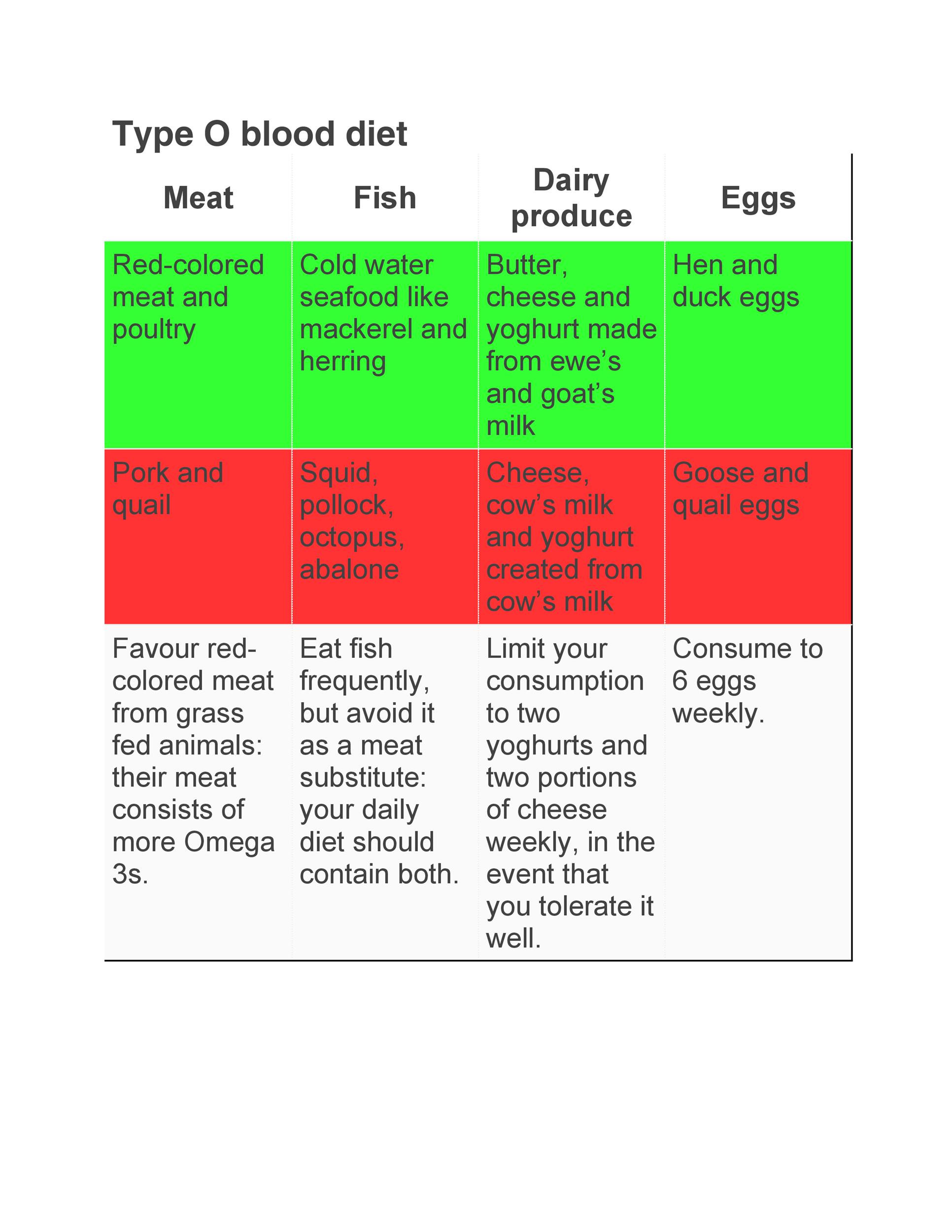
- Type O: People with blood type O are considered “the hunter,” which aligns with the hunter-gatherer ancestry. This group is recommended to consume a high-protein diet rich in lean meats, fish, and vegetables, while limiting grains, legumes, and dairy.
- Type A: Known as “the agrarian,” individuals with blood type A are advised to adopt a vegetarian diet that emphasizes organic and plant-based foods. This group thrives on fresh fruits, vegetables, and whole grains, minimizing meat intake.
- Type B: Those with blood type B, dubbed “the nomad,” have a flexible digestive system and can enjoy a varied diet. They are encouraged to consume a balanced mix of meat, dairy, grains, and vegetables.
- Type AB: As “the enigma,” type AB individuals should follow a diet that is a combination of recommendations for types A and B. Their diet should include dairy, tofu, seafood, and green vegetables, while avoiding caffeine, alcohol, and smoked meats.
Scientific Perspective
While the blood group diet is an intriguing concept, it’s essential to approach it with a critical lens. Proponents argue that eating according to one’s blood type can lead to health benefits such as weight loss, increased energy, and a reduced risk of disease. However, scientific validation for these claims remains limited. No significant peer-reviewed studies have substantiated the efficacy of the blood group diet, making it a more speculative than evidence-based approach to nutrition. For an in-depth analysis, you can refer to this Harvard Health article.
Conclusion
The blood group diet offers a unique perspective on personalized nutrition, tailoring dietary recommendations based on blood type. However, the lack of substantial scientific evidence calls for caution. While it might resonate with some individuals seeking a more customized approach to eating, it is crucial to consider overall nutritional balance and consult healthcare professionals before making significant dietary changes. The ultimate goal should be a diet that supports wellness and complements one’s lifestyle and health needs.
FAQs
What is the blood group diet?
The blood group diet is a nutritional approach that recommends food choices based on an individual’s ABO blood type.
Is the blood group diet scientifically proven?
Currently, there is no substantial scientific evidence supporting the effectiveness of the blood group diet. It’s important to consult with healthcare professionals when considering such diets.
Can I lose weight on a blood group diet?
While some individuals report weight loss, results vary. The diet’s success may be influenced by overall food consumption and lifestyle factors.
Are there any risks associated with the blood group diet?
Adopting restrictive diet plans without professional guidance may lead to nutrient deficiencies. It is crucial to ensure a balanced intake of essential nutrients.
Where can I find more information about blood groups and diets?
For comprehensive insights, visiting reputable sources like WebMD provides useful guidance on various dietary approaches and nutritional advice.
The blood group diet, developed by Dr. Peter D’Adamo and popularized through his book “Eat Right 4 Your Type,” is a nutritional plan that suggests individuals should eat according to their specific blood type—A, B, AB, or O—to improve overall health and reduce the risk of chronic diseases. The theory posits that each blood type has unique evolutionary traits influencing the body’s digestion and immune response, suggesting that adherence to a blood type-specific diet optimizes bodily functions and promotes optimal weight management. For example, type O is encouraged to consume a high-protein diet with ample meats and vegetables, while type A thrives on a plant-based, vegetarian diet. Critics, however, argue that there’s limited scientific evidence supporting the efficacy of this diet, and most nutritionists advocate for more personalized nutritional approaches based on broader individual health needs rather than solely on blood type.