Effective Dumbbell Exercises for Sculpted Forearms
TABLE OF CONTENTS

Forearm development is often underrated in strength training. Yet, having strong forearms not only enhances grip strength but also contributes to overall arm functionality. In this guide, we will explore various effective exercises using dumbbells to target the forearms, ensuring you never get stuck in a monotonous routine by repeating the same exercises.
The Importance of Forearm Strength
Forearm strength is crucial for athletes, weightlifters, and anyone whose activities demand endurance in grip. From weightlifting and rock climbing to daily tasks like opening jars, forearm strength plays a key role. Incorporating specialized exercises using dumbbells can effectively enhance the strength and muscularity of your forearms.
Diverse Forearm Exercises with Dumbbells
When performing forearm exercises with dumbbells, diversity is key to avoiding muscle adaptation and ensuring balanced muscle growth. Let’s delve into some unique exercises to incorporate into your workout routine.
Wrist Curls
The wrist curl is a simple yet effective exercise. Sit on a bench holding a dumbbell in each hand, forearms resting on your thighs, palms facing upward. Slowly curl your wrists upward, lifting the dumbbells, and then return to the starting position. This exercise predominantly targets the flexor muscles of the forearm.
Reverse Wrist Curls
For balanced forearm development, reverse wrist curls are essential. While seated, hold the dumbbells with your palms facing downward. Curl your wrist upward and lower them back slowly. This exercise emphasizes the extensor muscles, which balance out the flexors.
Hammer Curls
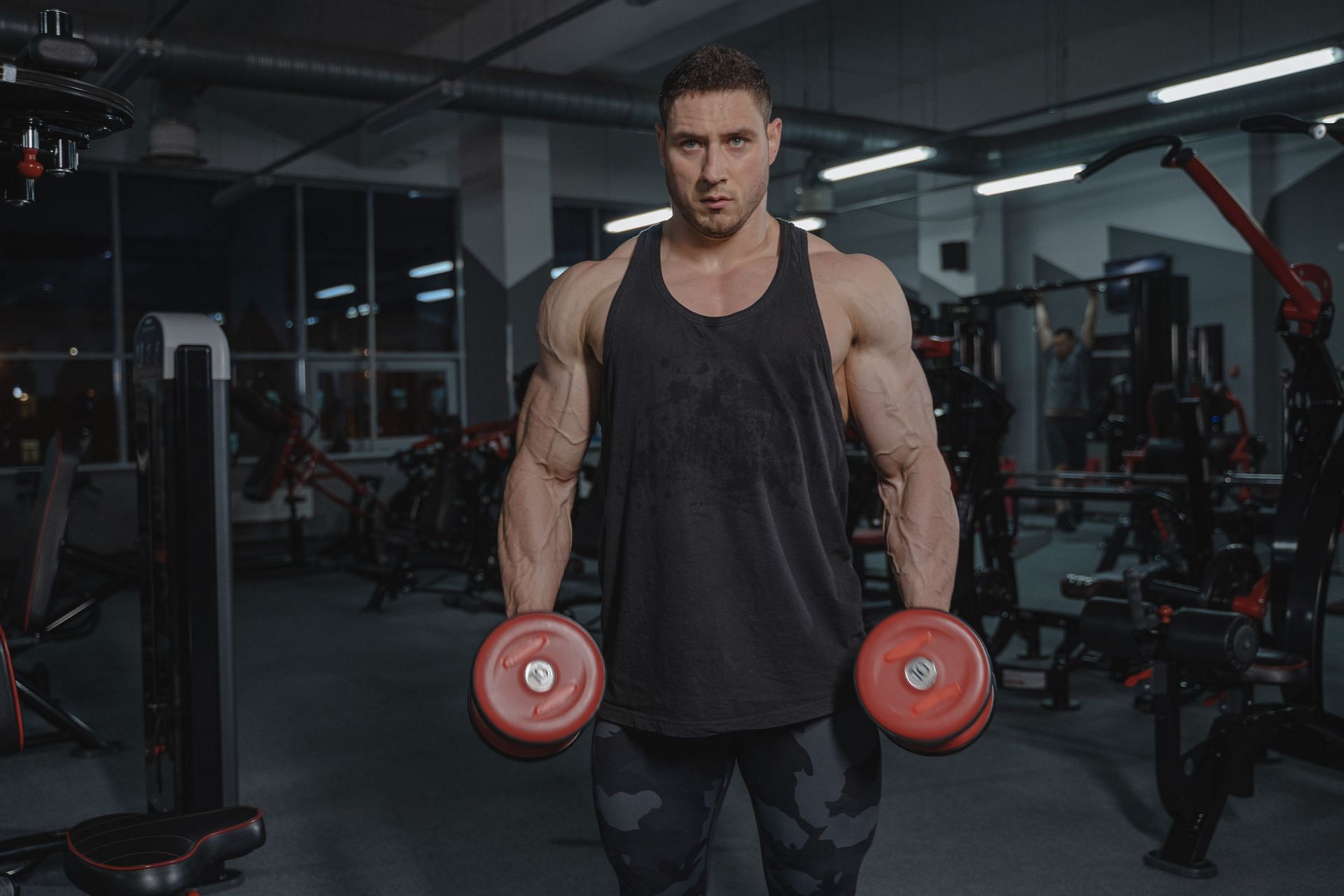
Hammer curls may be primarily known for targeting the biceps, but they also significantly engage the brachioradialis muscle in the forearm. Hold a dumbbell in each hand with a neutral grip, palms facing each other, and curl the weights while keeping your elbows stationary.
Zottman Curls
Zottman curls provide a special twist that engages both the biceps and forearms. Perform a standard curl with a palms-up grip and, at the top of the movement, rotate your wrists before lowering the dumbbells with a palms-down grip. This rotation diversifies the muscle engagement, targeting the forearms differently with each phase.
Farmer’s Walk
Though not a conventional forearm exercise, the farmer’s walk demands strong grip endurance. Hold a pair of heavy dumbbells at your sides, and walk for a set distance or duration. The static contraction required to maintain grip stimulates forearm muscles intensely.
Conclusion
Incorporating a range of forearm exercises with dumbbells is crucial for developing balanced forearm strength. By varying your exercises, you can ensure comprehensive muscle engagement and growth, leading to enhanced performance in both athletic and everyday tasks. Consistency and diversity are the keys to achieving desired results in your forearm training routine.
BIG SALE | FAST SHIPPING
HOT PROMOTIONS!

CYT 3 6MG | T3 | Yohimbe | Clen | Weight Loss Blend | 100 Tablets Total Kit 600mg

$ 69.00
CLOMID 50MG FIERCE 50 TABLETS

Original price was: $ 129.00.$ 119.00Current price is: $ 119.00.


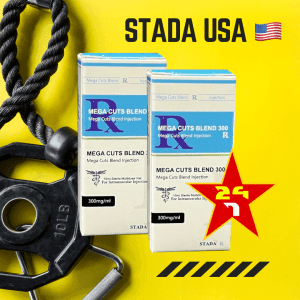
STADA MEGA CUTS BLEND 300 MG 10ML (TRENBOLONE)
Original price was: $ 129.00.$ 119.00Current price is: $ 119.00.
FIERCE CLOMID 50MG 50CAPS

Original price was: $ 129.00.$ 119.00Current price is: $ 119.00.
ZPHC UltraMix 10ml MultiUse Vial 1ml = 250mg

Original price was: $ 255.00.$ 179.00Current price is: $ 179.00.


FAQs
1. How often should I perform forearm exercises with dumbbells?
Ideally, you should include forearm exercises 2 to 3 times a week in your routine. Allow at least a day of rest between sessions to prevent overtraining.
2. Why focus on forearm exercises using dumbbells over other equipment?
Dumbbells allow for a wider range of motion and greater versatility in exercises, making them ideal for isolating and effectively working the forearm muscles.
3. Can I improve my grip strength solely with these exercises?
Yes, forearm exercises with dumbbells significantly contribute to improved grip strength, which is crucial for lifting and other physical activities.
4. How soon can I expect to see results?
With regular training and proper nutrition, noticeable improvements in forearm strength and size can be seen in approximately 6 to 8 weeks.
Forearm exercises with dumbbells are an effective way to build strength, improve grip, and enhance overall arm definition. These exercises specifically target the muscles of the forearm, which are essential for various functional movements and athletic activities, such as lifting, gripping, and twisting motions. By incorporating dumbbell forearm workouts into a regular fitness routine, individuals can significantly improve their forearm strength and endurance. Common exercises include wrist curls and reverse wrist curls, which can be performed while seated or standing. To execute these movements, one can hold a dumbbell in each hand with palms facing upwards for wrist curls, or downwards for reverse wrist curls, and use the wrist to lift and lower the weights in a controlled manner. Implementing these exercises can not only strengthen the forearms but also contribute to better overall arm aesthetics and functionality. Additionally, enhancing forearm strength can aid in preventing injuries related to repetitive motions often encountered in sports and daily activities.