Effective Middle Back Stretches for Everyday Relief
TABLE OF CONTENTS

The middle back, or thoracic spine, often carries tension resulting from prolonged sitting, poor posture, or strain from physical activities. Stretching exercises can significantly alleviate discomfort in this area and improve overall flexibility and mobility.
Importance of Middle Back Flexibility
Maintaining flexibility in the middle back is crucial for preventing stiffness and ensuring dynamic movement. Lack of flexibility in this region can lead to discomfort and limit daily activities. Regularly incorporating stretching routines can help in correcting posture and reducing strain.
Effective Exercises for Middle Back Relief
Cat-Cow Stretch
This dynamic stretch is superb for the spinal alignment and flexibility of your entire back including the middle section. Start on your hands and knees, arch your back towards the ceiling like a stretching cat, then drop it slowly while lifting your head and tailbone.
Thread the Needle
Engage in this stretch starting from a hands-and-knees position. Slide one arm underneath the other, gently allowing your shoulder and ear to touch the floor. This move releases tension in the middle part of the back.
Cobra Pose
Another excellent stretch is the Cobra Pose which effectively targets the middle part of your back. Lying face down, press your palms into the mat and lift your chest upwards whilst keeping your lower ribs on the ground.
Optimizing Stretching Practices
To maximize the benefits of these exercises, it’s essential to employ proper techniques. Consistent practice, proper breathing, and gradual progression in intensity are key to successful stretching practices. Remember to listen to your body and avoid pushing beyond comfortable limits.
Conclusion
Incorporating these stretches into your routine can greatly enhance the flexibility and strength of your middle back. Focusing on middle back health can prevent future discomfort, and ease performance in day-to-day tasks. Regular practice not only helps in maintaining good posture but also enhances overall well-being.
FAQs
What causes middle back pain?
Middle back pain can be caused by poor posture, prolonged sitting, muscle strain, or underlying medical conditions. Stretching helps alleviate this discomfort by improving flexibility and muscle function.
How often should I stretch my middle back?
It is recommended to incorporate stretching into your daily routine. Consistent practice can lead to better results and long-term benefits in flexibility and comfort.
Can stretching replace medical treatment for back pain?
While stretching is beneficial, it should not replace medical treatment for severe pain or injuries. It is advised to consult a healthcare provider for persistent or severe discomfort.
BIG SALE | FAST SHIPPING
HOT PROMOTIONS!




Fierce nandrolone decanoate 300 / ml 10ml

Original price was: $ 131.00.$ 119.00Current price is: $ 119.00.
FIERCE CLOMID 50MG 50CAPS

Original price was: $ 129.00.$ 119.00Current price is: $ 119.00.

STADA MEGA CUTS BLEND 300 MG 10ML (TRENBOLONE)
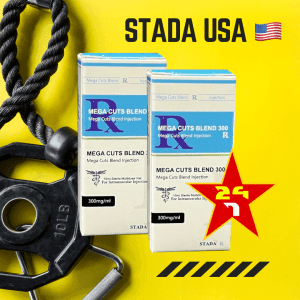
Original price was: $ 129.00.$ 119.00Current price is: $ 119.00.

Stretching the middle back is crucial for maintaining flexibility, improving posture, and alleviating tension that often accumulates due to prolonged sitting or poor ergonomic setups. The thoracic spine, which makes up the middle portion of the back, can become tight and restricted, leading to discomfort and potentially affecting the range of motion. Incorporating stretches such as the seated twist, cat-cow pose, or thoracic extension can help loosen the muscles around the spine, offering relief and promoting better spinal alignment. Additionally, these stretches can enhance circulation, reduce stress, and contribute to overall spinal health, making them an essential component of a balanced fitness routine. Regularly engaging in middle back stretches can also assist in preventing injury and improving athletic performance by ensuring the muscles and joints in this area remain pliable and strong.