
Ephedrine: Benefits and How It’s Used in Medicine Today

Ephedrine is a medication and stimulant derived from the Ephedra plant, commonly used for temporary relief from shortness of breath, chest tightness, and wheezing due to bronchial asthma. In addition to its medical applications, it has gained recognition in various other areas, ranging from weight loss regimes to athletic performance enhancement.
The Medical Applications of Ephedrine
Primarily, Ephedrine is utilized in the medical field to treat conditions such as asthma and bronchitis. It acts by relaxing bronchial muscles and expanding air passages, thereby easing the breathing process. Physicians also prescribe it for hypotension during anesthesia and sometimes for nasal congestion due to colds or allergies. Ephedrine’s effectiveness is rooted in its ability to stimulate the sympathetic nervous system, mimicking the action of adrenaline.
Ephedrine for Weight Loss
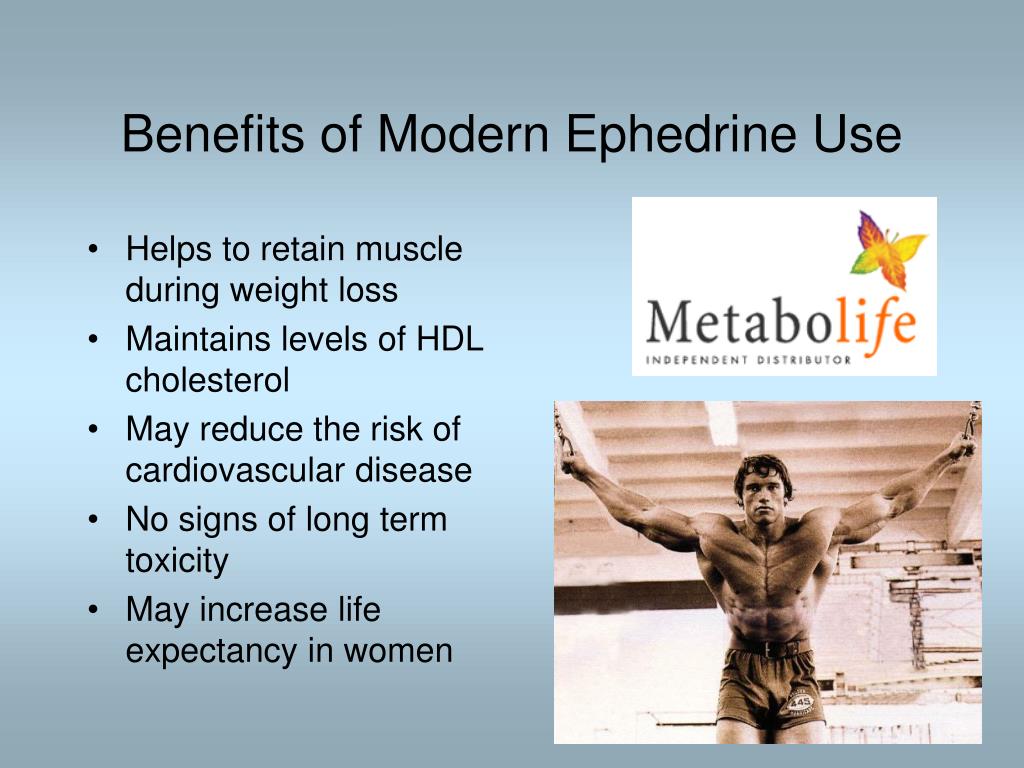
Ephedrine has found a place in the weight loss industry because of its ability to increase metabolism and promote fat burning. It enhances thermogenesis—the body’s production of heat—which leads to calorie expenditure. However, while ephedrine may assist in weight loss when combined with other compounds like caffeine, its use carries significant health risks and should be approached with caution.
The Role of Ephedrine in Enhancing Athletic Performance
Athletes have turned to Ephedrine as a performance booster due to its stimulant properties that increase alertness, reduce fatigue, and potentially improve endurance. Nonetheless, the use of Ephedrine in sports is controversial and banned by many organizations, including the International Olympic Committee and the National Collegiate Athletic Association, because of the potential for misuse and adverse effects.
[h2] Risks and Side Effects of Ephedrine [/h2]
Despite its benefits, Ephedrine use is associated with significant risks. Adverse effects may include nervousness, dizziness, tremors, insomnia, headaches, increased heart rate, and elevated blood pressure. In severe cases, misuse of Ephedrine can lead to heart attacks, strokes, or even death. Hence, it should be taken only under medical supervision.
Conclusion
Ephedrine serves diverse purposes—from medical treatments to weight loss and athletic performance enhancement. However, its potential benefits are often overshadowed by the risks posed to health, particularly when used improperly. It is imperative to approach its use with caution, adhering strictly to medical guidance.
FAQs about Ephedrine
- What is Ephedrine used for?
Ephedrine is used to treat breathing problems caused by asthma or other respiratory conditions. It is also sometimes used off-label for weight loss and enhancing athletic performance.
- Is Ephedrine safe?
While it can be effective for its designated uses, Ephedrine carries risks and can have serious side effects. It should only be used under the supervision of a healthcare professional.
- Why is Ephedrine banned in sports?
Due to its stimulant effects, which can enhance performance, it is banned by various sports organizations to ensure fair competition and athlete safety.
- Can I use Ephedrine for weight loss?
Although it might aid in weight loss, the risks involved make it a less favorable option, and alternatives should be considered.
- What is Ephedrine used for?
BIG SALE | FAST SHIPPING
HOT PROMOTIONS!

ZPHC UltraMix 1ml amps x 10 amps - 1ml = 250mg

Original price was: $ 259.00.$ 179.00Current price is: $ 179.00.







Ephedrine is an alkaloid derived from plants of the Ephedra genus, commonly used in traditional Chinese medicine and as a bronchodilator to treat respiratory conditions like asthma and bronchitis. Chemically similar to adrenaline, ephedrine acts as a stimulant by activating the sympathetic nervous system, which enhances alertness, physical performance, and metabolic rate. It was once widely used in dietary supplements for weight loss and energy enhancement due to its thermogenic properties, but concerns about cardiovascular side effects and potential for misuse have led to regulatory restrictions in several countries. Despite its efficacy in certain therapeutic contexts, the use of ephedrine must be carefully monitored to mitigate risks such as hypertension, heart palpitations, and anxiety, underscoring the need for professional guidance in its application.