
Essential Facts About Dehydration You Need to Know

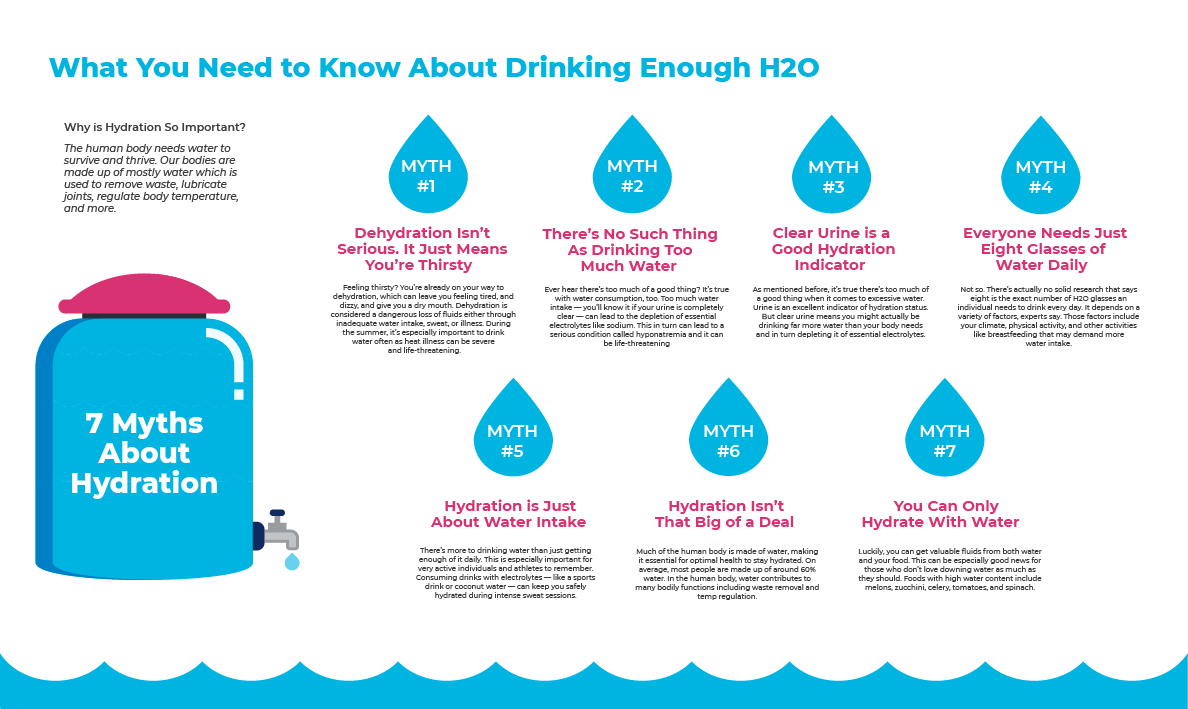
Dehydration occurs when the body loses more fluids than it takes in, which can disrupt the balance of salts and sugars needed for normal bodily functions. It’s a condition that is often underestimated but can have serious health implications if not addressed promptly.
Facts About Dehydration
1. Causes of Dehydration
Dehydration can result from multiple factors, including excessive sweating, diarrhea, vomiting, and inadequate fluid intake. Environmental factors such as hot weather or high altitudes also increase the risk.
2. Symptoms to Watch Out For
Common signs of dehydration include thirst, dry mouth, decreased urine output, dark-colored urine, fatigue, dizziness, and confusion. Severe dehydration might require medical intervention.
3. Impact on Physical Performance
Dehydration significantly affects physical performance. Even mild dehydration can cause a noticeable drop in energy levels and endurance, impacting athletic and everyday activities. For those interested in optimal personal health and fitness regimes, resources like Steroid Planner can be valuable.
4. Vulnerable Populations
Certain groups are more susceptible to dehydration, including infants, the elderly, and those with chronic illnesses. This is due to their reduced ability to conserve water or increased chances of illness-related fluid loss.
5. Preventing Dehydration
Maintaining adequate hydration is key. It’s essential to drink plenty of water, especially during physical activity or in hot climates. Sports drinks can also help in replenishing lost electrolytes.
6. Dehydration and Health Issues
Chronic dehydration can lead to severe complications such as kidney stones, urinary tract infections, and in extreme cases, organ failure. Staying informed about effective health solutions is critical. Check out resources on
FREE SHIPPING
BIG SALE | FAST SHIPPING
HOT PROMOTIONS!

Fierce sustanon 350mg / ml 10ml

Original price was: $ 119.00.$ 109.00Current price is: $ 109.00.


SUSTANON 500 AUCTUS TESTOSTERONE BLEND 10ML

Original price was: $ 140.00.$ 119.00Current price is: $ 119.00.
Conclusion
Dehydration is a serious condition that can have profound effects on health and well-being. Being aware of its causes, symptoms, and preventive measures can significantly diminish the risk it poses. Simple steps such as drinking adequate fluids and monitoring vulnerable populations can make a significant difference. For those pursuing vigorous health regimens, platforms like John Doe Bodybuilding offer additional insights.
FAQs
What is dehydration?
Dehydration happens when the body loses more fluids than it takes in, affecting normal body functions.
Who is most at risk of dehydration?
Infants, elderly, and people with chronic illnesses are most vulnerable to dehydration.
How can I prevent dehydration?
Stay hydrated by drinking plenty of water and consuming drinks with electrolytes, especially during intense physical activities and high-temperature environments.
What should I do if I suspect severe dehydration?
Seek medical attention immediately, as severe dehydration can lead to serious health complications.
For more information about maintaining a balanced intake of fluids while considering performance enhancement, check this Ulaska Resource.
Dehydration occurs when the body loses more fluids than it takes in, impacting essential functions. It can result from various factors, including excessive sweating, fever, vomiting, diarrhea, or inadequate fluid intake. Symptoms range from mild—such as dry mouth and thirst—to severe, including dizziness, rapid heartbeat, and confusion. Chronic dehydration can lead to kidney stones, urinary tract infections, and impaired cognitive function. The elderly and young children are particularly vulnerable due to less effective thirst mechanisms and higher metabolic demands. Early recognition and replenishment with water or oral rehydration solutions can prevent complications.