
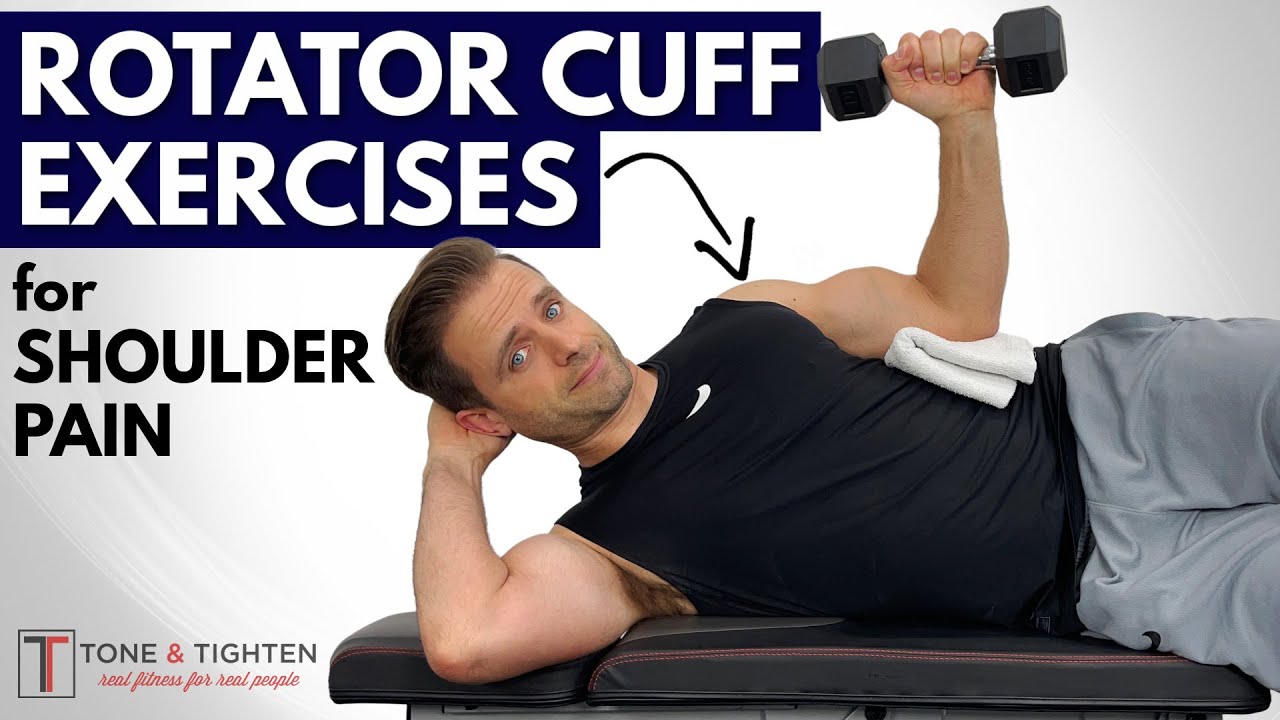
Essential Rotator Cuff Stretches for Pain-Free Shoulders

Introduction to the Rotator Cuff
The rotator cuff is a group of muscles and tendons that surround the shoulder joint, providing it with the support and flexibility necessary for movement. Ensuring these muscles are well-stretched can prevent injuries and improve shoulder mobility. Many shoulder issues stem from tight or weak rotator cuff muscles, and therefore, incorporating proper stretching routines is essential for maintaining shoulder health.
Importance of Stretching Routines
Regular stretching of the rotator cuff is key to preventing injuries such as strains, tears, or bursitis. It enhances flexibility and range of motion, reducing the risk of overuse injuries often experienced in sports or repetitive activities. Stretching also helps in alleviating pain and promoting quicker recovery in case of injuries. For athletes or individuals engaged in physical labor, maintaining a routine that includes stretches specific to the rotator cuff can significantly improve performance and comfort.
Effective Stretching Techniques
Effective stretching of the rotator cuff should include a combination of static and dynamic stretches. A popular static stretch is the “Cross-Body Shoulder Stretch,” where you pull one arm across your body with the opposite hand to stretch the shoulder muscles gently. Another beneficial dynamic exercise is the “Pendulum Swing.” This involves leaning forward and allowing one arm to swing in small circles, incrementally increasing in size, which helps in loosening tight muscles.
Incorporating Stretching into Your Routine
Incorporating stretching exercises into your daily routine can present significant benefits. A few minutes of dedicated stretching post-exercise can prevent tightness and aid in muscle recovery. Setting aside time for these routines, especially after activities involving shoulder exertion, is crucial. Additionally, pairing these with strengthening exercises can create a balanced shoulder regimen, further preventing injuries.
Conclusion
The importance of maintaining a healthy rotator cuff through consistent stretching cannot be overstated. These stretches are simple yet effective strategies to ensure the longevity and health of your shoulder joints. Whether you’re an athlete, a laborer, or simply someone who wants to maintain full mobility as they age, incorporating specific stretching techniques into your fitness regimen is a wise choice.
FAQs
- How often should I stretch my rotator cuff? Ideally, stretching should be performed daily, especially if you are engaging in activities that put a strain on the shoulder.
- Can stretching help with shoulder pain? Yes, regular stretching can alleviate pain by improving flexibility and reducing muscle tension.
- What are some signs that I need to stretch my rotator cuff? Common indicators include stiffness, reduced range of motion, and discomfort during shoulder movement.
BIG SALE | FAST SHIPPING
HOT PROMOTIONS!
CYT 3 6MG | T3 | Yohimbe | Clen | Weight Loss Blend | 100 Tablets Total Kit 600mg
$ 69.00

Beligas 10ml Vial Testosterone NPP Blend 150mg

Original price was: $ 119.00.$ 99.00Current price is: $ 99.00.




Stretching the rotator cuff is a vital aspect of maintaining shoulder health and preventing injuries, particularly for individuals who engage in activities that involve repetitive arm movements or overhead motions. The rotator cuff, composed of four muscles and their tendons—supraspinatus, infraspinatus, teres minor, and subscapularis—plays a crucial role in stabilizing the shoulder joint while allowing for a wide range of arm movements. Stretching exercises, such as the cross-body stretch or doorway stretch, help to enhance flexibility, improve circulation, and reduce muscle tension in the shoulder region. Regular rotator cuff stretching not only aids in alleviating stiffness but also contributes to the prevention of conditions like impingement syndrome and tendonitis. As with any exercise routine, it is important to perform these stretches gently and consistently, ideally as part of a comprehensive shoulder conditioning program, to ensure optimal shoulder function and longevity.