

Exploring the Benefits and Uses of 1GF1 LR3 in Bodybuilding

In the pursuit of enhanced physical performance and improved body composition, athletes and fitness enthusiasts are constantly exploring new possibilities. Among the many performance-enhancing compounds, IGF-1 LR3 has garnered attention for its potential benefits. This article delves into what IGF-1 LR3 is, how it works, and the possible advantages it offers for those looking to maximize their physical potential. Let’s explore this fascinating compound.
What is IGF-1 LR3?
IGF-1 LR3, or Insulin-like Growth Factor-1 Long Arg3, is a synthetic peptide derived from the naturally occurring IGF-1 hormone. Found in humans and other animals, IGF-1 plays a critical role in growth and development. LR3 is a modified version of IGF-1, featuring an extended half-life of around 20-30 hours, making it more stable and potentially more effective for longer-lasting effects.
How Does IGF-1 LR3 Work?
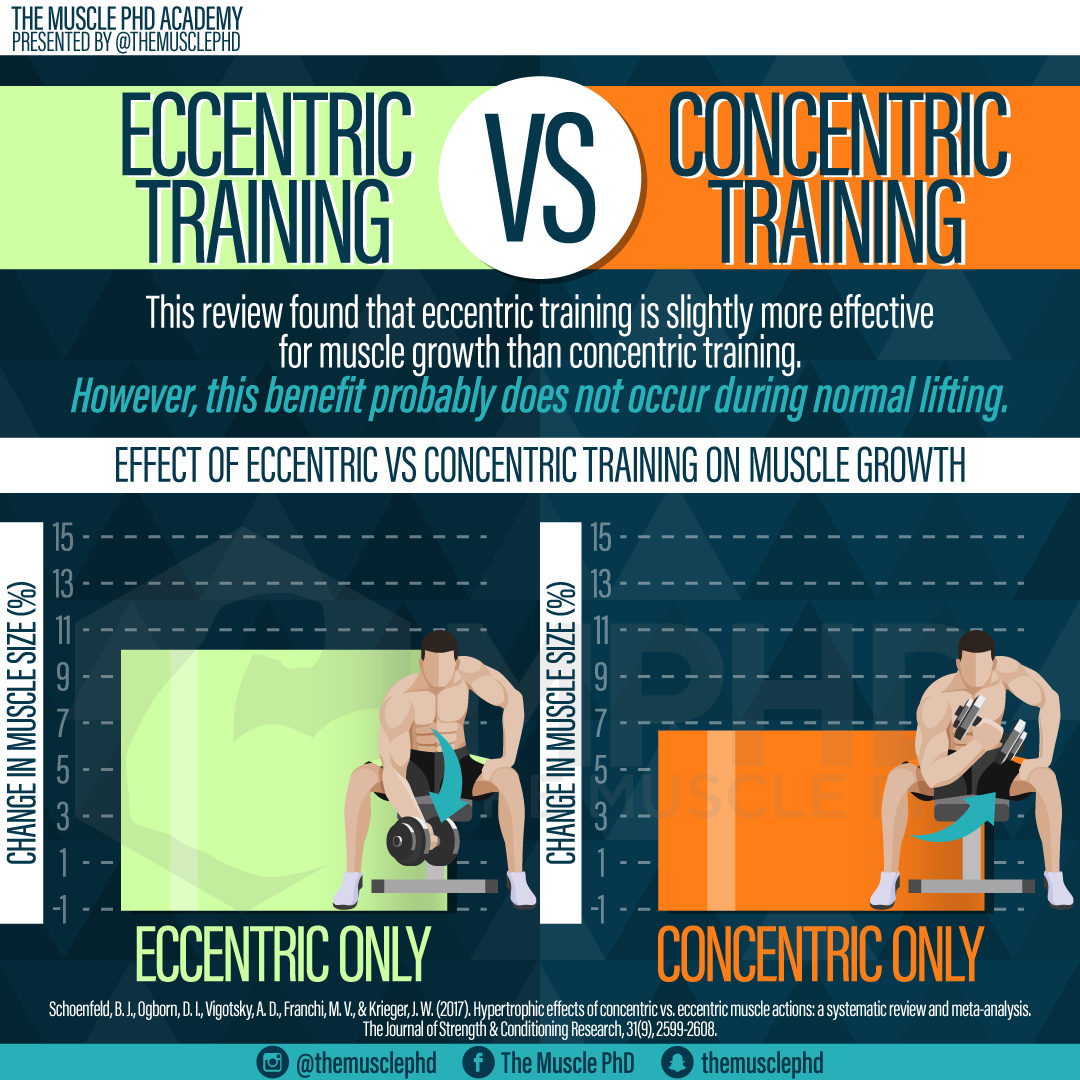
IGF-1 LR3 functions primarily by binding to the IGF-1 receptor, stimulating cellular growth and development. By enhancing protein synthesis and increasing muscle cell proliferation, this compound is believed to contribute to muscle growth and recovery. Additionally, it may improve glucose metabolism and reduce body fat, factors that are highly desirable for athletes and those looking to improve their physical fitness.
Potential Applications of IGF-1 LR3
Due to its purported effects, IGF-1 LR3 is often used by bodybuilders and athletes, aiming to increase muscle mass, accelerate recovery, and enhance performance. Although research is ongoing, some studies suggest that it may also play a role in anti-aging therapies and addressing muscle wasting conditions.
BIG SALE | FAST SHIPPING
HOT PROMOTIONS!
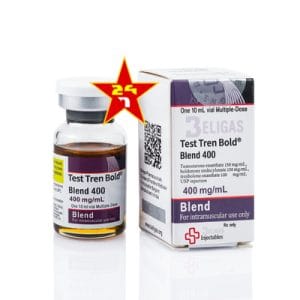
STADA MEGA CUTS BLEND 300 MG 10ML (TRENBOLONE)

Original price was: $ 129.00.$ 119.00Current price is: $ 119.00.


IGF-1 LR3: Safety and Considerations
As with any performance-enhancing compound, safety is a paramount concern. While IGF-1 LR3 shows promise, its long-term effects and safety profile are not fully understood. Users should approach with caution, consider consulting a medical professional, and adhere to recommended dosages to minimize potential risks.
Conclusion
In conclusion, IGF-1 LR3 presents an intriguing option for individuals looking to enhance physical performance and body composition. With its potential to promote muscle growth and accelerate recovery, this modified peptide holds promise for athletes and fitness enthusiasts. However, due diligence is essential, and further research is needed to fully understand its long-term effects and safety. As always, seeking professional guidance is crucial before embarking on any new supplementation regimen.
FAQs
What is IGF-1 LR3?
IGF-1 LR3 is a synthetic peptide similar to the naturally occurring IGF-1 hormone, with an extended half-life for potentially prolonged effects.
Is IGF-1 LR3 safe?
The safety of IGF-1 LR3 is not fully understood. It is important to proceed with caution and consult medical professionals before use.
How is IGF-1 LR3 used?
IGF-1 LR3 is predominantly utilized by bodybuilders and athletes to enhance muscle growth, recovery, and performance.
What are the potential benefits?
Potential benefits of IGF-1 LR3 include increased muscle mass, improved recovery, and possibly enhanced glucose metabolism.
Should I consult a healthcare provider?
Yes, consulting a healthcare provider before using IGF-1 LR3 is recommended to ensure safe and informed usage.
1GF1-LR3, also known as Insulin-like Growth Factor 1 Long R3 (IGF-1 LR3), is a synthetic peptide variant of the naturally occurring insulin-like growth factor 1 (IGF-1). This particular variant is specially engineered to provide a longer half-life than the regular IGF-1, thereby enhancing its biological availability and effectiveness. IGF-1 plays a crucial role in growth and development, similar to insulin in its structure and function, and is a key player in anabolic processes such as muscle growth and repair. The Long R3 modification inhibits the binding of IGF-1 to proteins in the bloodstream, allowing more of the peptide to be readily available to interact with cell receptors, hence its increased potency. Due to these properties, IGF-1 LR3 has gained attention in fields like bodybuilding and sports, despite regulatory and ethical concerns surrounding its use in these areas. Additionally, it has potential therapeutic applications, being studied for its effects on muscle wasting diseases, certain cancers, and metabolic disorders, although more research is needed to fully understand its benefits and risks.