Exploring the Connection: Can Vitamin D Boost Testosterone Levels?
TABLE OF CONTENTS

Does Vitamin D Increase Testosterone?
In recent years, the potential relationship between vitamin D and testosterone levels has generated significant interest both in scientific circles and among the general public. Many individuals are eager to understand whether supplementing with vitamin D can truly boost testosterone levels, thereby enhancing physical health and overall well-being. This article aims to explore the intricacies of this connection and provide clear, evidence-based insights.
The Role of Vitamin D in the Body
Vitamin D, often referred to as the “sunshine vitamin,” is a fat-soluble vitamin that is crucial for maintaining numerous bodily functions. It is well-known for its role in enhancing calcium absorption and promoting bone health. However, vitamin D also influences other aspects of health, including immune function, inflammation regulation, and mood stabilization.
Understanding Testosterone
Testosterone is the primary male sex hormone but is also present in females in smaller amounts. It plays a crucial role in various bodily functions, including muscle development, fat distribution, bone density, and sexual function. Low testosterone levels can lead to numerous health issues, such as decreased muscle mass, fatigue, and diminished libido.
Exploring Does Vitamin D Increase Testosterone?
The question remains: does vitamin D increase testosterone? Several studies have attempted to answer this, albeit with varying results. A notable study published in the Journal of Clinical Endocrinology & Metabolism found that men with sufficient vitamin D levels tend to have higher testosterone levels than those with a vitamin D deficiency. This suggests a positive correlation, although it doesn’t necessarily imply causation.
Another study, conducted over a year, involved administering vitamin D supplements to participants. The results indicated a significant increase in testosterone levels among those who were given vitamin D, compared to a control group that received a placebo. This finding supports the theory that vitamin D supplementation might directly affect testosterone production.
Other Factors to Consider
While some studies support the notion that vitamin D might increase testosterone, it’s crucial to consider other influencing factors. Variables such as age, body weight, and pre-existing health conditions can affect both vitamin D and testosterone levels. Additionally, lifestyle factors, including diet, physical activity, and exposure to sunlight, play significant roles.
Conclusion
The available evidence suggests a potential link between vitamin D supplementation and increased testosterone levels. However, more research is necessary to establish a definitive causal relationship. For individuals experiencing symptoms of low testosterone or vitamin D deficiency, consulting with a healthcare professional is advisable before starting any supplement regimen.
BIG SALE | FAST SHIPPING
HOT PROMOTIONS!
ZPHC UltraMix 1ml amps x 10 amps - 1ml = 250mg
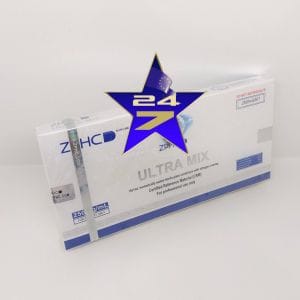
Original price was: $ 259.00.$ 179.00Current price is: $ 179.00.
FIERCE CLOMID 50MG 50CAPS
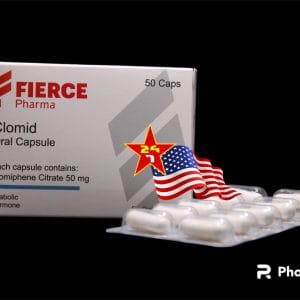
Original price was: $ 129.00.$ 119.00Current price is: $ 119.00.



CROWX 👑 CLOMIROW 50 Mg / 50 Tabs ( Clomid )
Original price was: $ 79.00.$ 69.00Current price is: $ 69.00.
FAQs
Can vitamin D deficiency cause low testosterone?
Yes, several studies indicate that low levels of vitamin D can be associated with lower testosterone levels. Ensuring adequate vitamin D intake might help maintain normal testosterone levels.
What is the recommended daily intake of vitamin D?
The recommended daily intake of vitamin D varies based on age, sex, and individual health conditions. As a general guideline, adults typically need around 600 to 800 IU per day, although some people might require more.
Should I take vitamin D supplements to boost testosterone?
Before starting any supplement, it’s essential to consult with a healthcare provider. They can offer personalized advice based on your specific health needs and ensure there are no contraindications.
Are there foods that can naturally boost testosterone?
Yes, foods rich in vitamin D and zinc, such as fatty fish (like salmon and tuna), egg yolks, and fortified cereals, can support healthy testosterone levels.
For further reading on the relationship between vitamins and hormones, you may visit Harvard T.H. Chan School of Public Health and Mayo Clinic.
Vitamin D has been the subject of research exploring its potential impact on testosterone levels, particularly given its role in bone health and immune function. Some studies suggest a positive correlation between adequate levels of vitamin D and higher testosterone levels in men. This connection is thought to be due to vitamin D’s role in calcium metabolism and its potential effect on cellular processes that influence hormone production. However, the evidence is not consistent across all studies, with some showing no significant effect of vitamin D supplementation on testosterone levels. It is important to consider that factors such as individual health conditions, baseline vitamin D levels, and overall lifestyle also play critical roles. Therefore, while vitamin D might contribute to maintaining healthy testosterone levels, it should not be viewed as a sole solution for low testosterone, and further research is needed to fully understand the relationship.