Exploring the Financial Side of Testosterone Replacement Therapy
TABLE OF CONTENTS

Testosterone Replacement Therapy (TRT) has become an increasingly popular solution for individuals facing low testosterone levels, whether due to aging, medical conditions, or other factors. While the benefits of TRT might be enticing, understanding the financial implications of the treatment is essential. In this article, we explore various aspects of the cost for TRT and provide insights to help individuals make informed decisions.
Understanding the Cost for TRT
The cost for TRT can vary significantly depending on several factors, including the type of treatment, the provider, and geographic location. The primary methods of TRT include injections, patches, gels, and implants, each with its own associated expenses. In general, monthly expenses for TRT can range from $30 for generic medications to several hundred dollars for advanced treatments.
Factors Influencing the Cost for TRT
-
- Type of Treatment: Injectable testosterone tends to be the most affordable option, while patches and gels might cost more. Implants, which provide long-lasting results, often come at a higher price point.
-
- Healthcare Provider: The choice between a specialist and a general practitioner can affect costs significantly. Specialists may charge more for their expertise, but they might also offer a more personalized approach to treatment.
-
- Insurance Coverage: Not all insurance plans cover the cost for TRT, and some may require pre-authorization or have specific criteria for coverage. It’s crucial for patients to check with their insurance providers to understand what expenses are covered.
Additional Costs to Consider
Aside from the direct costs, there are additional financial considerations for those undergoing TRT. Routine blood tests, doctor consultations, and potential side effect treatments can all add to the overall expenses. Additionally, lifestyle adjustments necessitated by TRT might have financial implications.
Conclusion
When evaluating the suitability of TRT, individuals must also consider its financial implications. Understanding the cost for TRT and the factors impacting it is paramount for budgeting and long-term financial planning. By being informed, one can ensure that the journey with TRT is both beneficial and economically manageable.
FAQs
-
- Is the cost for TRT typically covered by insurance?
It depends on the insurance provider and the specific plan. Some insurance plans cover TRT, while others do not. It’s essential to verify with your provider.
- Is the cost for TRT typically covered by insurance?
-
- How frequently will I need medical consultations during TRT?
Typically, patients need regular check-ups every few months to monitor testosterone levels and the treatment’s effectiveness.
- How frequently will I need medical consultations during TRT?
-
- Are there generic options available that could lower the cost for TRT?
Yes, generic medications can reduce expenses, though their availability and suitability can vary.
- Are there generic options available that could lower the cost for TRT?
BIG SALE | FAST SHIPPING
HOT PROMOTIONS!


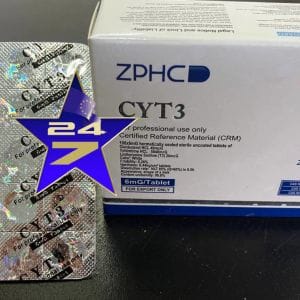
CYT 3 6MG | T3 | Yohimbe | Clen | Weight Loss Blend | 100 Tablets Total Kit 600mg
$ 69.00

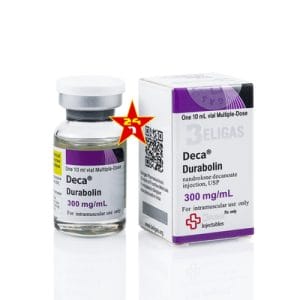
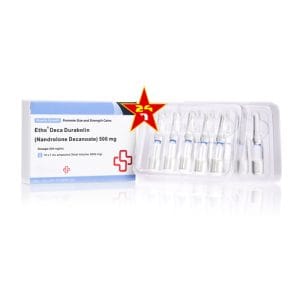
Fierce nandrolone decanoate 300 / ml 10ml

Original price was: $ 131.00.$ 119.00Current price is: $ 119.00.
#Bodybuilding #Bodybuildingmotivation #Powerlifting #Bodybuilder #Heavyweightlifting #Workoutathome #stayfit #bodybuilding
Testosterone replacement therapy (TRT) can vary significantly in cost depending on several factors including the type of therapy, geographic location, healthcare provider, and insurance coverage. Common forms of TRT include injections, patches, gels, and pellets, each with different pricing structures. Injections tend to be less expensive upfront, with monthly costs ranging from $30 to $100 without insurance. Patches and gels might range from $200 to $500 per month, while pellet therapy, often more costly due to the procedure involved, can range from $500 to $1,500 every three to six months. Insurance coverage can significantly reduce out-of-pocket expenses, but this depends on the policy and whether TRT is deemed medically necessary for the patient. It’s also essential to consider additional costs such as regular blood tests and physician consultations to monitor therapy efficacy and safety. As pricing can vary widely, it is advisable for individuals to have detailed discussions with healthcare providers and insurance representatives to fully understand their financial responsibilities.