Fever steroids
TABLE OF CONTENTS

The world of bodybuilding is replete with discussions around supplements, training regimes, and at times, the controversial use of steroids to expedite muscle growth. Among these, fever steroids have emerged as a topic of interest and debate within the fitness community 🌟. While their use promises accelerated muscle gain and enhanced performance, understanding their implications is crucial.
The Role of Fever Steroids in Bodybuilding
Fever steroids, often associated with corticosteroids or anabolic steroids, are distinct in their function. These compounds, when utilized in the realm of bodybuilding, are often geared towards reducing inflammation, enhancing endurance, and promoting muscle repair. However, it is important to note that indiscriminate use can lead to adverse effects on health, making informed understanding imperative for any fitness enthusiast.
Can Fever Steroids Enhance Performance?
While some bodybuilders advocate that fever steroids provide the edge needed in competitive sports, they must be used with caution 🚨. The ability of these steroids to enhance performance does not negate the potential for side effects such as hormonal imbalances, liver damage, and psychological impacts. Thus, the decision to use them should be weighed carefully against these risks.
Alternatives to Fever Steroids
Not all bodybuilders choose the route of fever steroids. There are various natural supplements and training techniques that also promise muscle growth and strength enhancement without the dangers associated with steroid use. Rigorous workouts combined with a protein-rich diet can often achieve results that empower athletes without jeopardizing their health.
Conclusion
In conclusion, while fever steroids may offer some advantages in bodybuilding, they come with significant health risks that cannot be ignored. A balanced approach, prioritizing natural methods and under professional guidance, is vital for sustaining long-term health and fitness goals 💪. The decision to use fever steroids should not be taken lightly, and each individual must evaluate their fitness journey aligned with their health priorities.
FAQs About Fever Steroids
Are fever steroids legal in bodybuilding?
Fever steroids are subject to regulation in sports. It is essential to check the legal status and rules of various bodybuilding organizations before considering their use.
What are the common side effects?
Common side effects of fever steroids can include mood swings, increased appetite, and a potential predisposition to cardiovascular issues.
Should beginners consider using fever steroids?
It is generally advised that beginners focus on building a solid foundation through training and nutrition before considering any form of steroids.
Can fever steroids be used twice?
Repetitive use without professional supervision is not recommended due to potential long-term health risks.
BIG SALE | FAST SHIPPING
HOT PROMOTIONS!
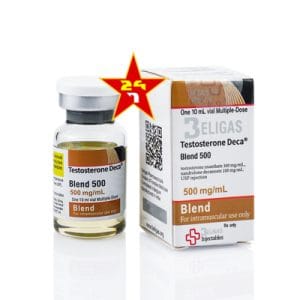
STADA MEGA CUTS BLEND 300 MG 10ML (TRENBOLONE)
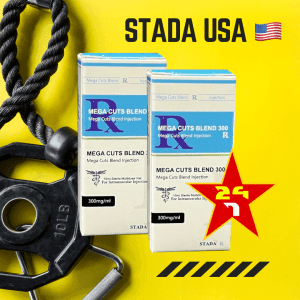
Original price was: $ 129.00.$ 119.00Current price is: $ 119.00.



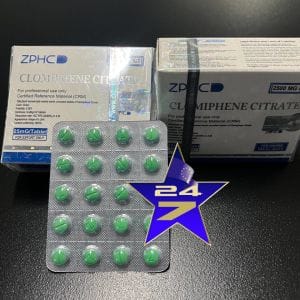
CLOMID 50MG FIERCE 50 TABLETS

Original price was: $ 129.00.$ 119.00Current price is: $ 119.00.
ZPHC Clomid Clomiphene 25mg/tablet | 100 Tablets Total: 2500mg
Original price was: $ 159.00.$ 65.00Current price is: $ 65.00.


For more insights on bodybuilding and fitness tips, follow us on social media! 👇
#Bodybuilding #Bodybuildingmotivation #Powerlifting #Bodybuilder #Heavyweightlifting #Workoutathome #stayfit #bodybuilding
Fever steroids, commonly known as corticosteroids, are a class of synthetic drugs designed to mimic the effects of hormones produced naturally by the adrenal glands. These medications play a crucial role in managing inflammation and modulating the immune system. They are frequently prescribed to treat a wide range of conditions, including autoimmune diseases, allergies, asthma, and certain types of infections. By dampening the body’s inflammatory response, corticosteroids help alleviate symptoms such as swelling, redness, and pain associated with inflammation. However, their use must be carefully monitored due to potential side effects, such as weight gain, increased susceptibility to infections, and bone thinning with long-term use. Doctors usually prescribe the lowest effective dose for the shortest duration possible to minimize these risks, ensuring that the therapeutic benefits outweigh any adverse effects for patients needing relief from acute or chronic inflammatory conditions.