
Fitness and Testosterone: Workout with Hormonal Balance

Testosterone is a pivotal hormone that plays an essential role in both male and female bodies, affecting various aspects of physical and emotional health. Not only is it critical for muscle building and strength, but it also influences mood, energy levels, and overall vitality. For athletes and fitness enthusiasts, understanding how testosterone functions can unlock new levels of performance. 🏋️♂️
What is Testosterone?
Testosterone is the primary sex hormone in males, although it is also present in females in smaller amounts. It is produced mainly in the testes in men and the ovaries in women, with a small amount also produced by the adrenal glands. In general, testosterone helps maintain muscle mass, bone density, and libido.
The Role of Testosterone in Fitness
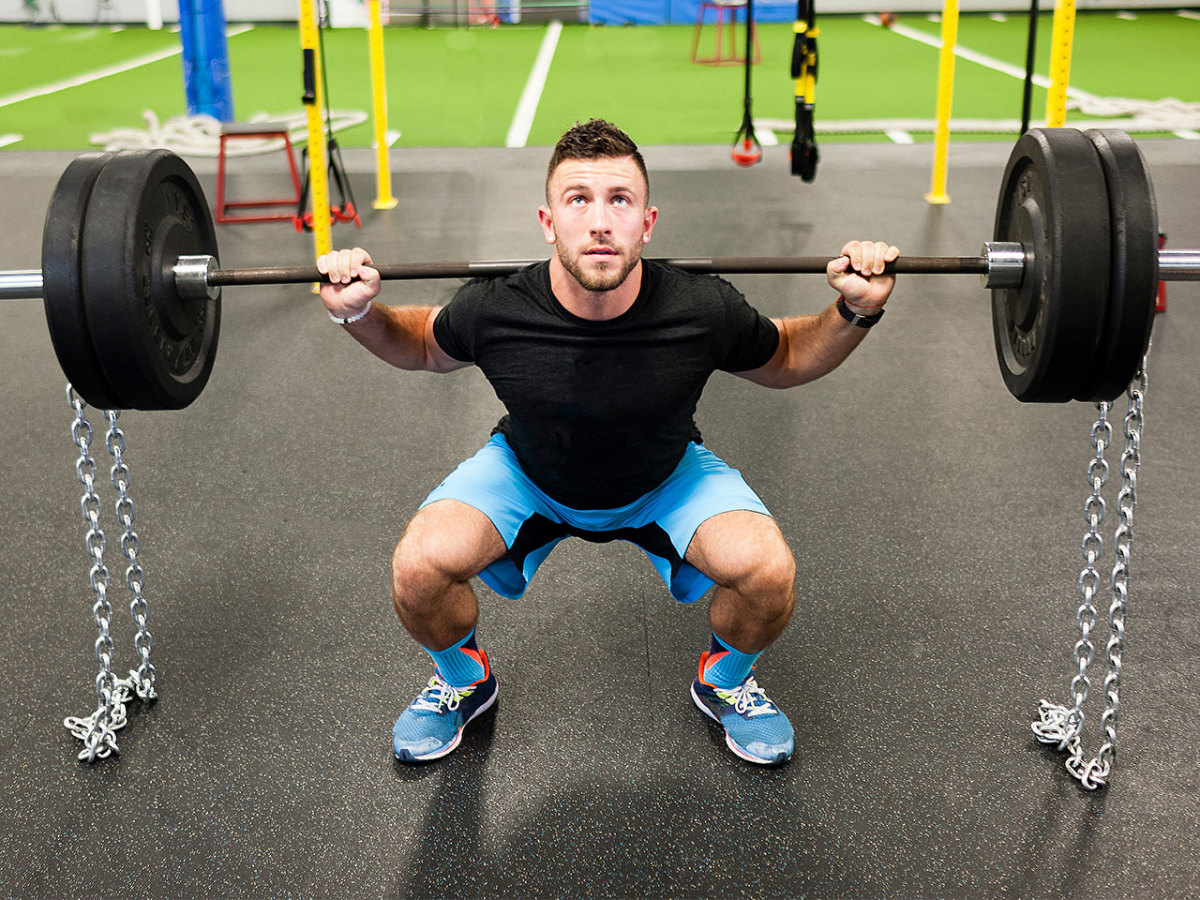
Testosterone’s anabolic effects make it crucial for bodybuilders and athletes aiming to increase muscle mass and strength. It aids in protein synthesis, which is the process that repairs and builds muscle tissue after strenuous exercise. For powerlifters and fitness enthusiasts, optimizing testosterone levels can enhance performance and improve recovery times. 💪
Natural Ways to Boost Testosterone Levels
There are lifestyle choices that can naturally support healthy testosterone levels:
- Exercise Regularly: Resistance training and high-intensity interval workouts are particularly effective in boosting testosterone.
- Exercise Regularly: Resistance training and high-intensity interval workouts are particularly effective in boosting testosterone.
- Healthy Diet: Eat foods rich in zinc and vitamin D, such as lean meats, nuts, and leafy greens, to support hormone production.
- Healthy Diet: Eat foods rich in zinc and vitamin D, such as lean meats, nuts, and leafy greens, to support hormone production.
- Adequate Sleep: Getting enough sleep each night is essential for maintaining optimal testosterone levels.
- Adequate Sleep: Getting enough sleep each night is essential for maintaining optimal testosterone levels.
- Stress Management: High stress increases cortisol, which can negatively affect testosterone production.
- Stress Management: High stress increases cortisol, which can negatively affect testosterone production.
The Risks of Low Testosterone
Low testosterone levels can lead to various health issues, including decreased muscle mass, weight gain, fatigue, and even depression. Recognizing these symptoms is the first step toward addressing potential testosterone deficiencies.
Conclusion
Understanding testosterone and its impact on the body is crucial for anyone looking to optimize their fitness and strength training regimen. By maintaining a healthy lifestyle, individuals can naturally support their testosterone levels, thereby enhancing their physical and emotional well-being. Remember, while supplements are available, natural methods are the safest and often the most effective way to ensure balanced hormone levels. 🏆
FREE SHIPPING
HOT PROMOTIONS!
BIG SALE | FAST SHIPPING
TREN ENANTHATE 200MG 10ML AXIOM
Original price was: $ 130.00.$ 124.00Current price is: $ 124.00.

MASTERON ENANTHATE AUCTUS 200MG 10ML

Original price was: $ 120.00.$ 105.00Current price is: $ 105.00.


FAQs
Q: Can women benefit from higher testosterone levels?
A: Yes, balanced testosterone levels are crucial for women’s muscle mass, bone density, and libido. However, they should maintain levels that are appropriate for their gender.
Q: Is it safe to take testosterone supplements?
A: While some individuals may require supplements, it is always best to consult a healthcare provider before starting any supplementation to avoid potential side effects.
Q: How does aging affect testosterone levels?
A: As individuals age, testosterone levels naturally decline, which can influence muscle mass, energy, and mood. Hormone replacement therapy may be an option for some, under professional oversight.
Q: Does diet influence testosterone production?
A: Yes, consuming a balanced diet rich in omega-3 fatty acids, vitamins, and minerals can help support healthy testosterone levels.
Explore the world of fitness and power with a clear understanding of this vital hormone. Don’t forget to join the conversation and share your journey! #bodybuilder #follow #fashion #powerlifting #like #fitspo #gymrat #abs #model #yoga #gains #gymtime #strength #workoutmotivation #nutrition #fitnessgirl #weightlifting #diet #body #gymgirl #boxing #life #goals #sports #photography #gymshark #bhfyp #photooftheday #mma #fitlife #stayfit #bodybuilding.
Testosterone is a steroid hormone primarily produced in the testicles in males and, in smaller amounts, in the ovaries and adrenal glands of females. It plays a crucial role in the development of male reproductive tissues, such as the testes and prostate, as well as promoting secondary sexual characteristics like increased muscle and bone mass, and the growth of body hair. In both males and females, testosterone is essential for overall health and well-being, influencing mood, energy levels, and the maintenance of bone density. It helps regulate libido and is involved in the production of red blood cells and sperm in men. Levels of testosterone typically peak during adolescence and early adulthood, gradually declining with age, which can affect physical vitality and sexual function. Low testosterone levels can lead to a range of health issues, including decreased libido, fatigue, depression, and loss of muscle mass, making it a critical focus of both clinical assessment and therapeutic intervention in endocrinology.