

Fitness Spotlight: How to Get Ripped for Summer 2025

Understanding the Concept of Ripped in Fitness
The term “Ripped” is frequently used in fitness circles to describe a physique marked by low body fat and well-defined muscles. Achieving this state of physical appearance typically involves a combination of intense workouts, strict diet, and substantial dedication. Athletes and bodybuilding enthusiasts often strive to attain this sculpted look, as it not only reflects strength and endurance but also a significant level of discipline in their fitness journey.
Pathway to a Ripped Physique
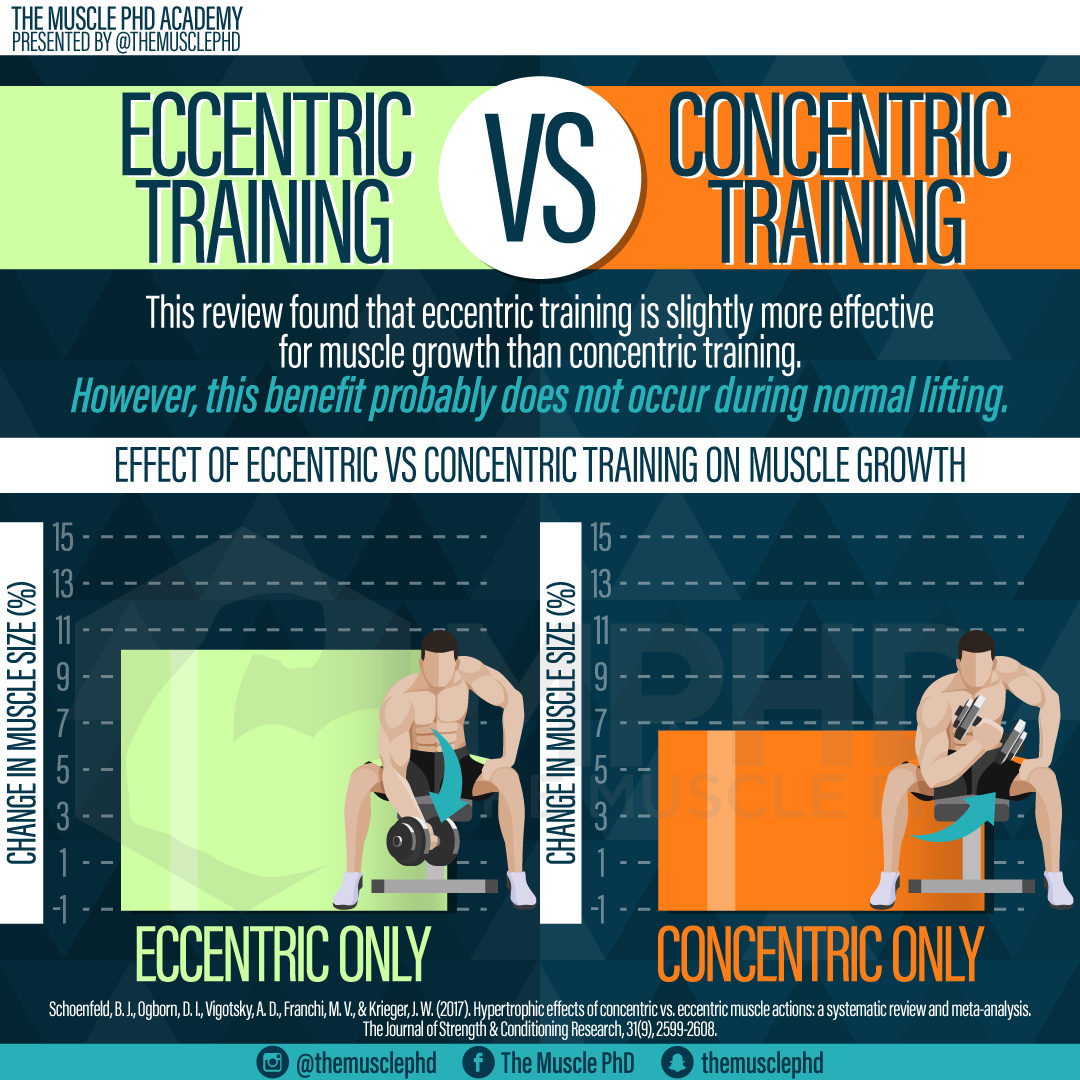
The journey to becoming “Ripped” requires a multifaceted approach. Resistance training plays a crucial role in developing muscle hypertrophy, which leads to more pronounced muscle definition. Compound exercises like squats, deadlifts, and bench presses are particularly effective as they work multiple muscle groups simultaneously. Cardiovascular exercises, on the other hand, help in reducing body fat, which is essential for achieving that chiseled look.
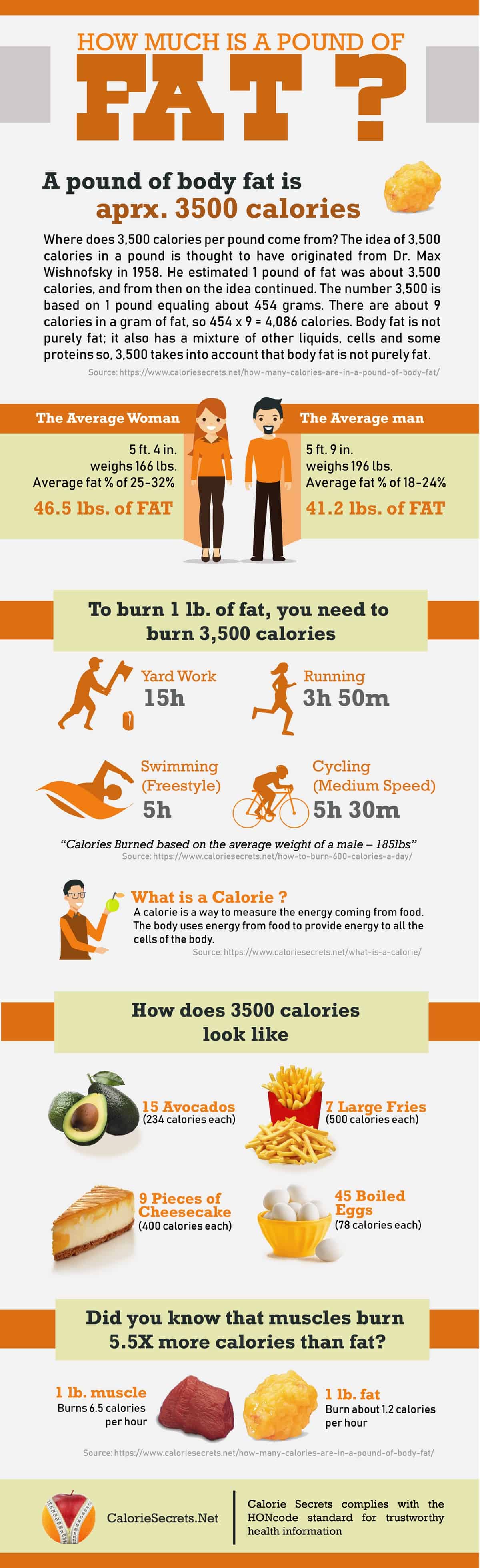
Nutrition is equally important in the pursuit of a “Ripped” body. A balanced diet rich in protein supports muscle repair and growth, while carbohydrates and fats provide the necessary energy for rigorous workouts. Tracking calorie intake and maintaining a caloric deficit can help in shedding excess fat, making the muscles more visible. Optimal hydration and sufficient rest are other critical factors that contribute to muscle recovery and overall health.
Challenges in Achieving Ripped Status
Despite the tangible rewards, attaining a “Ripped” physique can be challenging. It demands exceptional commitment and consistency. Many encounter difficulties with maintaining the necessary dietary restrictions and coping with demanding workout schedules. Moreover, genetic factors can influence one’s ability to reach this goal, meaning some individuals might have to put in more effort than others to achieve the same results.
Conclusion: The Art and Science of Becoming Ripped
In essence, becoming “Ripped” is a testament to one’s dedication to physical fitness and health. While the journey is fraught with obstacles, the results speak volumes about the individual’s commitment and discipline. Whether for competitive bodybuilding or personal satisfaction, the pursuit of a “Ripped” body remains a popular objective, underscoring the significance of hard work and perseverance in achieving fitness goals.
FAQs about Ripped
Q: How long does it take to get Ripped?
A: The time required to become “Ripped” varies greatly depending on individual factors, including starting body composition, genetics, and dedication to diet and exercise. Generally, it may take several months to a year to achieve significant results.
Q: Can you get Ripped without a gym?
A: Yes, it is possible to achieve a “Ripped” physique without a gym by using bodyweight exercises and home workout equipment. However, access to a variety of resistance tools can enhance muscle development.
Q: Is a “Ripped” physique sustainable long-term?
A: Maintaining a “Ripped” physique can be challenging over the long term due to the rigorous diet and workout regimen required. Balance and moderation are key to sustaining fitness without compromising overall well-being.
BIG SALE | FAST SHIPPING
HOT PROMOTIONS!


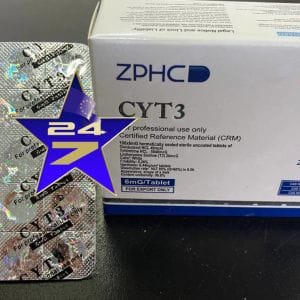
CYT 3 6MG | T3 | Yohimbe | Clen | Weight Loss Blend | 100 Tablets Total Kit 600mg
$ 69.00
ZPHC UltraMix 10ml MultiUse Vial 1ml = 250mg

Original price was: $ 255.00.$ 179.00Current price is: $ 179.00.
CLOMIPHENE TABLETS 50mg 50 TABLETS FIERCE

Original price was: $ 99.00.$ 89.00Current price is: $ 89.00.

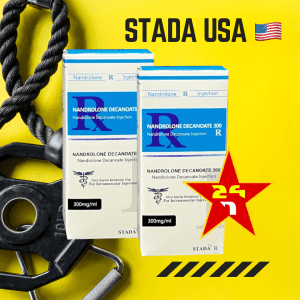
Ripped is often used to describe a well-defined, muscular physique, where the contours and definition of muscles are clearly visible. This term is typically associated with rigorous physical training and disciplined nutritional habits aimed at reducing body fat while maintaining or increasing muscle mass. Achieving a ripped physique usually involves a combination of resistance training, cardiovascular exercises, and careful dietary planning to ensure adequate protein intake and caloric balance. Often featured in fitness magazines and social media, the pursuit of a ripped body can be seen as a symbol of health and attractiveness, though it requires dedication, persistence, and sometimes a structured lifestyle to maintain.