

Fleas in Sand and Their Impact on Coastal Ecosystems

Fleas in sand are a peculiar phenomenon that often puzzles pet owners and outdoor enthusiasts alike. These tiny parasites, known for inhabiting warm, humid environments, can pose a nuisance and health risk to our furry companions. In this article, we will delve into the life cycle of fleas, how they end up in sandy environments, and what measures can be taken to avoid or manage them.
The Life Cycle of Fleas
Fleas are small, wingless insects that thrive in warm and humid climates. Their life cycle consists of four stages: egg, larva, pupa, and adult. Fleas can lay up to 50 eggs per day, which can drop off their host and accumulate in sandy areas. Once in the sand, the eggs hatch into larvae that feed on organic matter and eventually spin a cocoon to become pupae. The pupae remain dormant until they sense vibrations or carbon dioxide from a potential host, prompting them to emerge as adults ready to jump onto a new host.
How Fleas End Up in Sand
Sandy environments are not the typical habitat for fleas, yet they can serve as temporary shelters for flea eggs and larvae. Pets, wild animals, or even humans who come into contact with these areas can inadvertently introduce fleas to sand. The sand offers a safe hiding spot for flea eggs and larvae, allowing them to progress through their life stages until they find a host to attach to.
Preventing and Managing Fleas in Sand
Preventing fleas in sand from becoming a problem requires a multi-pronged approach. Firstly, maintaining good hygiene for pets with regular baths and flea treatments can significantly reduce the risk of carrying fleas. Secondly, regular cleaning and maintenance of sandy areas, including vacuuming and applying safe anti-flea sprays, can help eliminate flea eggs and larvae. Learn more about pet care best practices.
When it comes to infested outdoor spaces, environmental modifications can be quite effective. Trimming grass, removing debris, and ensuring good drainage can help keep fleas at bay. Additionally, introducing natural predators, such as ants and spiders, can aid in controlling the flea population in an environmentally friendly manner.
Conclusion
Fleas in sand may not be a widespread issue but can certainly cause discomfort and health problems for pets and humans alike. Understanding their life cycle and how they come to inhabit sandy environments is crucial for prevention and management. By taking proactive steps in maintaining clean environments and treating pets, the challenges posed by fleas in sand can be effectively minimized. Discover more about flea control strategies.
FAQs
What attracts fleas to sand?
Fleas are attracted to sand primarily through their lifecycle stages. Eggs and larvae can find a temporary home in sandy environments until they mature and find a host.
How can I prevent fleas in my sandy backyard?
Regular cleaning, ensuring good drainage, and introducing natural predators can help prevent fleas in sand. Additionally, regularly treating pets with effective flea medications can prevent them from carrying fleas into sandy areas.
Are fleas in sand harmful to humans?
While fleas prefer to host on animals, they can bite humans, causing irritation and the risk of transferring diseases. Keeping sandy areas clean and treating pets can minimize this risk.
BIG SALE | FAST SHIPPING
HOT PROMOTIONS!

Beligas 10ml Vial Testosterone NPP Blend 150mg

Original price was: $ 119.00.$ 99.00Current price is: $ 99.00.





CYT 3 6MG | T3 | Yohimbe | Clen | Weight Loss Blend | 100 Tablets Total Kit 600mg

$ 69.00


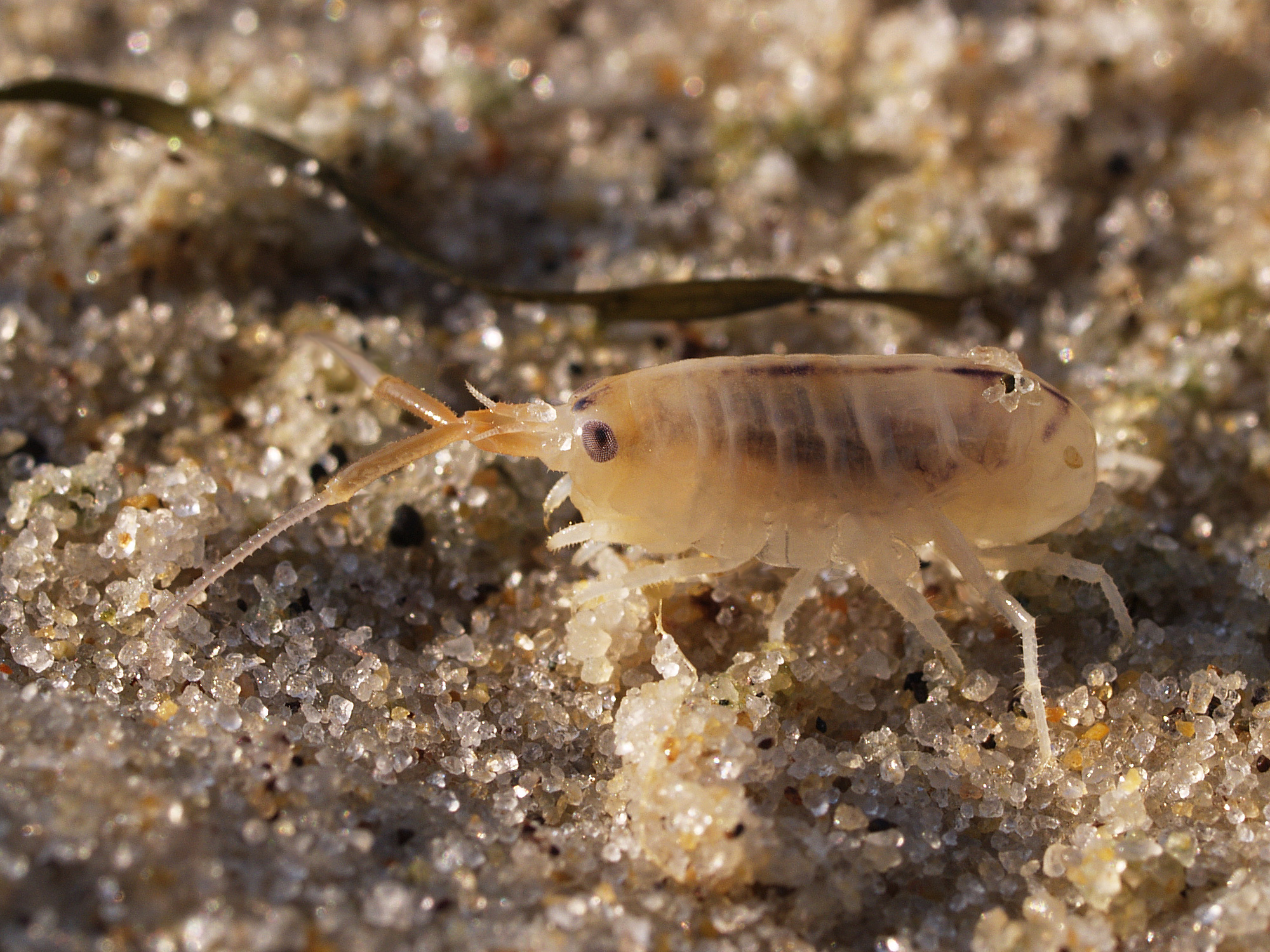
Fleas in sand, often referred to as sand fleas, are small crustaceans commonly found along coastlines, particularly in sandy or marshy environments. Unlike the typical fleas that infest pets and homes, these sand fleas, or more accurately sand hoppers or beach fleas, are not insects but rather belong to the amphipod group. They thrive in wet sand and are active during the night, burrowing into moist sand to escape the sun’s heat during the day. While they might cause concern due to their name, sand fleas rarely bite humans. However, some people mistake small bites from sand mites or other beach insects for bites from sand fleas. Observing their behavior can be interesting as they play a crucial role in the coastal ecosystem by contributing to the decomposition process, feeding on detritus, and thus supporting nutrient cycling in beach habitats.