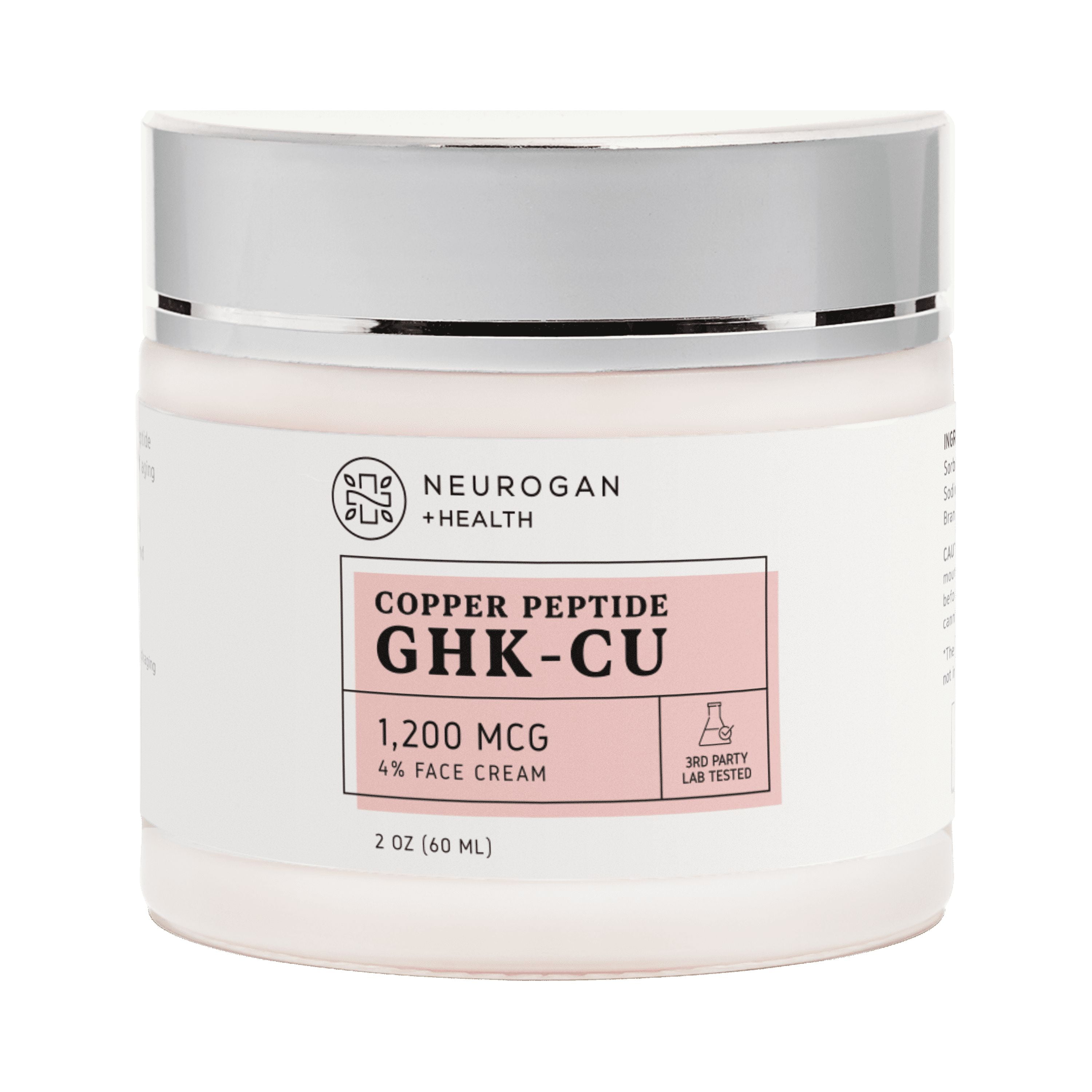
GHK-Cu: Unlocking the Secrets of the Copper Peptide for Skin Health
TABLE OF CONTENTS

GHK-Cu copper peptide is a naturally occurring compound known for its regenerative and healing properties. Discovered by Dr. Loren Pickart in the 1970s, it has gained popularity in recent years for its myriad applications in skincare, wound healing, and even hair growth. With a distinct ability to bind copper ions, GHK-Cu enhances skin elasticity, reduces inflammation, and stimulates collagen production. This article delves into the benefits and applications of GHK-Cu copper peptide, providing insights into its functions and potential.
Understanding GHK-Cu Copper Peptide
GHK-Cu copper peptide is a tripeptide consisting of glycine, histidine, and lysine, complexed with a copper ion. This peptide plays a crucial role in wound healing and tissue repair. Its ability to modulate gene expression empowers it to influence several biological processes, including anti-aging and skin repair, making it a coveted component in modern skincare formulations.
Benefits of GHK-Cu Copper Peptide
-
- Anti-Aging: One of the most celebrated benefits of GHK-Cu is its anti-aging properties. It boosts collagen and elastin production, which are vital for maintaining youthful, firm skin. By reducing fine lines and improving skin texture, GHK-Cu contributes to a more vibrant appearance.
-
- Wound Healing: GHK-Cu enhances the body’s natural wound-healing mechanisms. It stimulates the breakdown of larger peptides within wound sites and accelerates tissue repair, promoting faster recovery.
-
- Hair Growth: Hair health is another area where GHK-Cu copper peptide shines. It revitalizes hair follicles, encouraging growth and improving scalp health, thereby reducing hair loss and promoting thicker, healthier hair.
-
- Anti-Inflammatory: GHK-Cu is also known for its anti-inflammatory effects, which help in reducing redness and irritation, making it suitable for sensitive skin.
Applications in Skincare
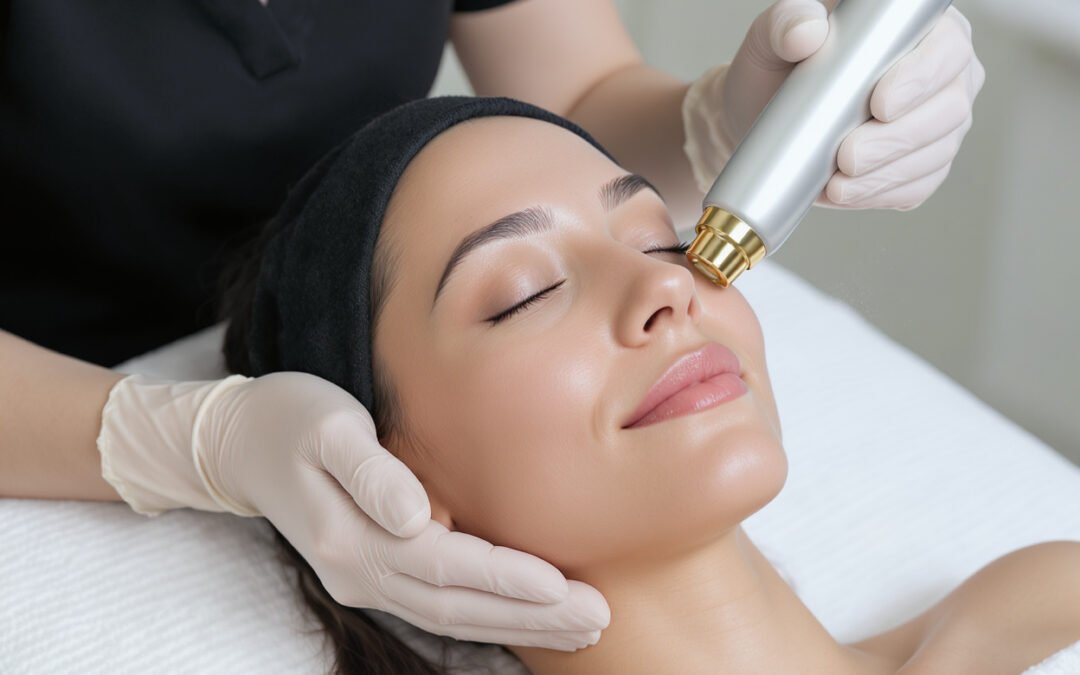
In skincare, GHK-Cu copper peptide is prized for its ability to rejuvenate the skin. Many creams, serums, and lotions incorporate this peptide to harness its anti-aging and healing properties. Its formulation with other effective ingredients can amplify results, offering a comprehensive approach to skin health.
Conclusion
GHK-Cu copper peptide is a multifaceted compound with impressive potential in skincare and beyond. Its ability to promote skin rejuvenation, accelerate wound healing, and enhance hair growth makes it a valuable ingredient in various formulations. As research continues, its range of applications is expected to expand, offering even more benefits to those who incorporate it into their daily routines.
FREE SHIPPING
HOT PROMOTIONS!
BIG SALE | FAST SHIPPING

Beligas Propha Testosterone 10 vials x 1ml (Propionate) 100mg

Original price was: $ 79.00.$ 69.00Current price is: $ 69.00.


CROWX 👑 TreneRow Vial 10ml | Trenbolone Enanthate 200mg

Original price was: $ 169.00.$ 109.00Current price is: $ 109.00.
FAQs
What is GHK-Cu copper peptide used for?
GHK-Cu is used in skincare for anti-aging, wound healing, and promoting hair growth due to its ability to stimulate collagen production and improve skin elasticity.
Is GHK-Cu suitable for all skin types?
Yes, GHK-Cu is generally safe for all skin types, including sensitive skin, due to its anti-inflammatory properties.
Where can I buy GHK-Cu products?
GHK-Cu products can be found in many online health and skincare stores. Reputable platforms like Steroid Planner and John Doe Bodybuilding offer a variety of options.
How often should I use GHK-Cu products?
Usage depends on the specific product formulation. Generally, incorporating it into your daily skincare regimen is recommended, but it’s best to follow the manufacturer’s instructions.
For more information, consider visiting Steroid.com and Ulaska for broader insights into related products and applications.
GHK-Cu, or copper peptide, is a naturally occurring tripeptide composed of glycine, histidine, and lysine, bonded to a copper ion. Known for its regenerative properties, GHK-Cu actively promotes collagen production, aids in wound healing, and has anti-inflammatory effects. It is commonly used in skincare for its ability to rejuvenate and firm the skin, often reducing fine lines and improving elasticity. Additionally, GHK-Cu has been studied for its potential in hair regrowth and its protective benefits against oxidative stress, making it a multifunctional ingredient in both dermatological and therapeutic applications.