Glp 1 injections hurts?
TABLE OF CONTENTS

GLP-1 injections have emerged as a promising option for individuals seeking effective management of type 2 diabetes and obesity. This innovative treatment has garnered attention not only for its efficacy in regulating blood sugar levels but also for its potential in aiding weight loss. However, like any medical treatment, understanding its application, benefits, and precautions is crucial.
What are GLP-1 Injections?
Glucagon-like peptide-1 (GLP-1) is a hormone involved in the regulation of appetite and insulin response in the body. GLP-1 injections work by mimicking this hormone, helping to stimulate insulin secretion in response to meals, while also inhibiting the release of glucagon. This dual action not only aids in controlling blood sugar levels but also curbs appetite, promoting weight loss.
The Role of GLP-1 Injections in Diabetes Management
For individuals with type 2 diabetes, GLP-1 injections can improve glycemic control by enhancing the body’s insulin response and slowing gastric emptying. This results in more stable postprandial glucose levels and improves the patient’s overall HB1Ac results. They offer a valuable option, particularly for those who struggle with achieving optimal glucose control through oral medications and lifestyle changes alone.
The Impact on Weight Loss
In addition to their role in diabetes treatment, GLP-1 injections are also utilized for weight management. The appetite-suppressing effects can support individuals in achieving their weight loss goals, which, in turn, can improve metabolic health and reduce the risk of obesity-related complications. This makes GLP-1 a dual-purpose therapy for many patients.
Important Precautions
While GLP-1 injections can be highly effective, it is vital to adhere to prescribed guidelines, including never using the same injection twice. Reusing needles or improperly handling the injections can increase the risk of infections or contamination. Patients must follow healthcare providers’ instructions and maintain good personal hygiene during the administration of these injections.
Conclusion
GLP-1 injections represent a significant advancement in both diabetes and weight management, offering benefits that extend beyond traditional medication options. Their ability to lower blood glucose and assist in weight loss makes them an attractive option for many. However, appropriate usage and understanding of potential risks and precautions are essential to reap the full benefits of this treatment.
FAQs
Q1: Can anyone use GLP-1 injections for weight loss?
A1: GLP-1 injections are primarily prescribed for individuals with type 2 diabetes or obesity. A healthcare provider should assess one’s medical history and current health status before recommending their use for weight loss.
Q2: What are the common side effects of GLP-1 injections?
A2: Patients may experience side effects like nausea, vomiting, diarrhea, or constipation. It is important to discuss these with a healthcare provider.
Q3: How often should GLP-1 injections be administered?
A3: The frequency of GLP-1 injections depends on the specific medication prescribed. Some may require daily doses, while others are weekly. Always follow your healthcare provider’s instructions.
BIG SALE | FAST SHIPPING
HOT PROMOTIONS!

STADA MEGA CUTS BLEND 300 MG 10ML (TRENBOLONE)
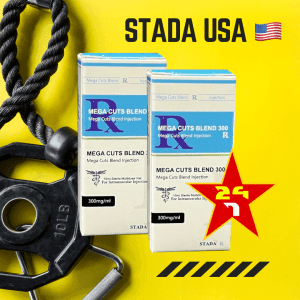
Original price was: $ 129.00.$ 119.00Current price is: $ 119.00.
ZPHC UltraMix 1ml amps x 10 amps - 1ml = 250mg
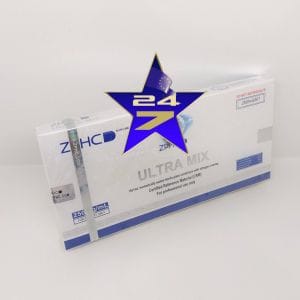
Original price was: $ 259.00.$ 179.00Current price is: $ 179.00.


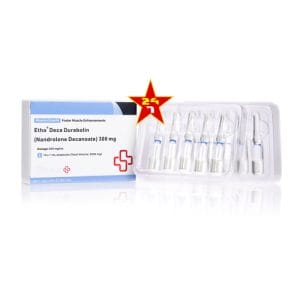



#Bodybuilding #Bodybuildingmotivation #Powerlifting #Bodybuilder #Heavyweightlifting #Workoutathome #stayfit #bodybuilding
GLP-1 (glucagon-like peptide-1) injections are a class of medications primarily used for the management of type 2 diabetes and, more recently, for weight management in individuals with obesity. GLP-1 is a hormone that plays a crucial role in regulating glucose metabolism by enhancing insulin secretion, inhibiting glucagon release, and slowing gastric emptying, which collectively help to maintain blood sugar levels. These injections mimic the action of the natural hormone, offering an innovative approach to diabetes management. Approved GLP-1 receptor agonists, like liraglutide and semaglutide, are administered subcutaneously and have shown effectiveness in improving glycemic control and promoting weight loss. Aside from their metabolic benefits, these medications have also demonstrated cardiovascular benefits, adding an extra layer of protection for patients at risk of cardiovascular diseases. However, they may come with side effects such as nausea and are typically recommended as part of a comprehensive treatment plan encompassing lifestyle changes like diet and exercise.