Glutamate Dehydrogenase: Hero in Metabolic Regulation
TABLE OF CONTENTS

Glutamate dehydrogenase is an essential enzyme that plays a significant role in maintaining the metabolic equilibrium within living cells. This dynamic protein, located primarily in the mitochondria of eukaryotic cells, is involved in the reversible oxidative deamination of glutamate to alpha-ketoglutarate. Although its function may seem straightforward, its regulatory capacities are crucial for energy metabolism and amino acid homeostasis. This article delves deeper into the enzymatic activities, physiological importance, and overarching impact of this enzyme on cellular metabolism.
Function and Mechanism of Glutamate Dehydrogenase
The enzyme glutamate dehydrogenase catalyzes the conversion of glutamate, an abundant amino acid, into alpha-ketoglutarate, a key component of the citric acid cycle. During this process, the enzyme facilitates the release of ammonia, a necessary step in nitrogen metabolism. By interconverting these two important biochemicals, the enzyme plays a pivotal role in both nitrogen and carbon metabolism.
The activity of this enzyme is tightly regulated by various allosteric activators and inhibitors to meet the energy demands of the cell. The presence of high ADP levels, for example, signals energy scarcity, prompting enhanced enzyme activity to replenish energy supplies. Conversely, high levels of GTP or ATP inhibit its activity, indicating energy sufficiency and thus preventing excessive degradation of important biomolecules.
Physiological Significance of Glutamate Dehydrogenase
In addition to its metabolic functions, glutamate dehydrogenase impacts various physiological processes. In the central nervous system, it regulates neurotransmitter levels by aiding in the appropriate turnover of glutamate, a critical neurotransmitter. Dysregulation in this process can lead to neurological conditions such as epilepsy, bipolar disorder, or degenerative diseases like Alzheimer’s.
In the liver, the enzyme has a detoxifying role as it aids in removing excess nitrogen from amino acids. This process is essential for converting nitrogenous waste into urea for excretion. Moreover, enzyme activity in peripheral tissues ensures amino acid supply is matched to protein synthesis demands, reflecting its importance across various bodily systems.
Conclusion
Glutamate dehydrogenase plays an indispensable role in maintaining cellular and systemic metabolic balance. Through its catalytic activities, it not only bridges the metabolic pathways of carbon and nitrogen but also influences vital physiological functions. Research into this enzyme continues to illuminate its contributions to human health, providing insights for therapeutic interventions in metabolic and neurological disorders. Understanding the breadth of its impact underscores why maintaining its balance is critical for overall metabolic health.
FAQs
What is the role of glutamate dehydrogenase in nitrogen metabolism?
The enzyme helps convert glutamate to alpha-ketoglutarate and ammonia, a process vital for nitrogen excretion and amino acid catabolism.
How is glutamate dehydrogenase regulated?
It is allosterically regulated by metabolites like ADP (activator) and ATP or GTP (inhibitors), reflecting the cell’s energy status.
Why is glutamate dehydrogenase important in the brain?
It regulates glutamate levels, influencing neural activity and preventing excitotoxicity, which is implicated in conditions such as stroke and neurodegeneration.
Can changes in glutamate dehydrogenase activity affect health?
Yes, alterations in its activity can affect neurotransmitter balance and metabolic processes, potentially leading to metabolic disorders or neurological diseases.
For further reading on the enzymatic roles within the human metabolism, you may explore Khan Academy and ScienceDirect.
BIG SALE | FAST SHIPPING
HOT PROMOTIONS!




FIERCE CLOMID 50MG 50CAPS

Original price was: $ 129.00.$ 119.00Current price is: $ 119.00.


ZPHC UltraMix 1ml amps x 10 amps - 1ml = 250mg

Original price was: $ 259.00.$ 179.00Current price is: $ 179.00.


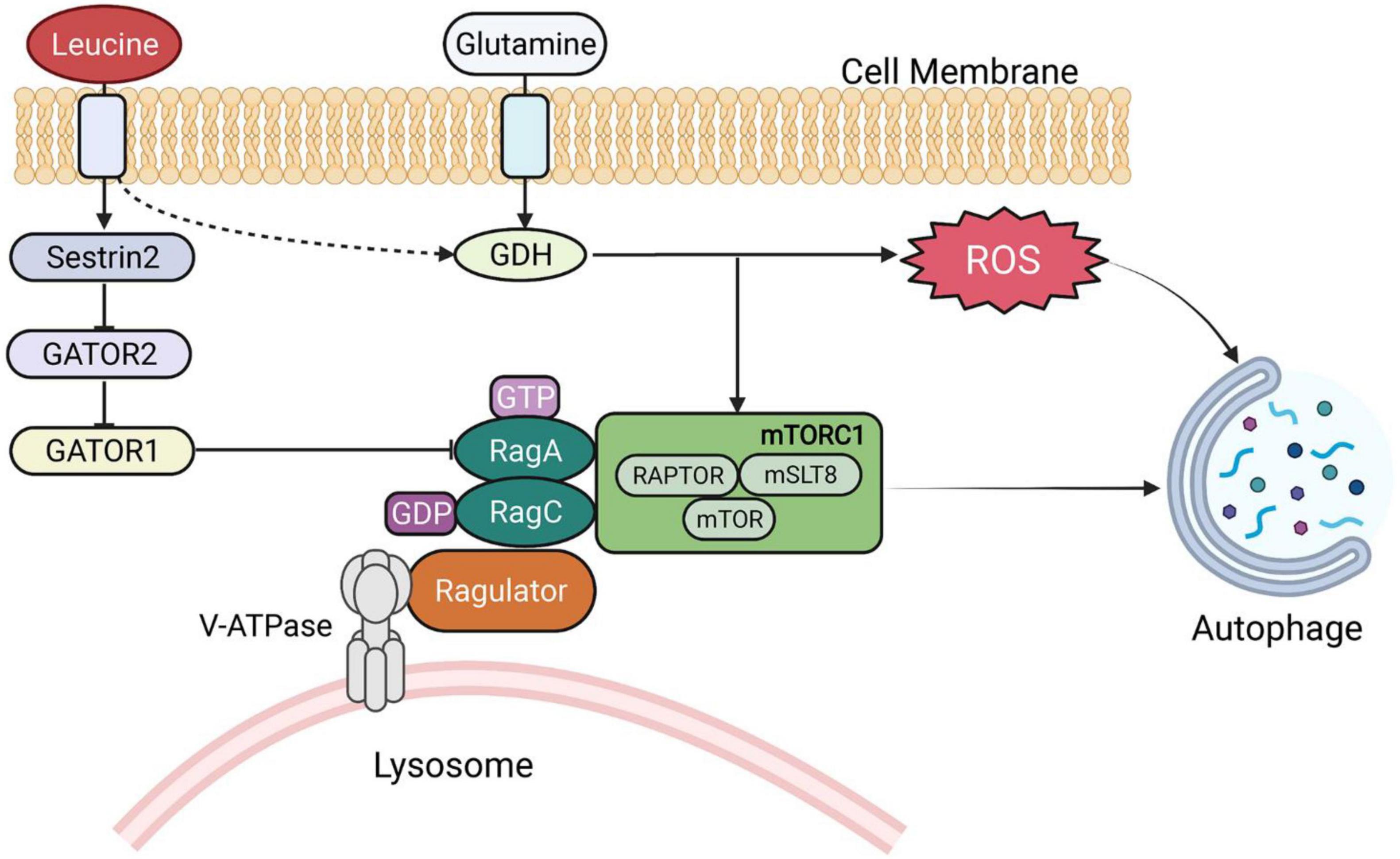
Glutamate dehydrogenase (GDH) is a crucial enzyme that plays an integral role in cellular metabolism, specifically in the interconversion of glutamate to α-ketoglutarate and ammonia. This enzyme is pivotal at the junction of nitrogen and carbon metabolism, facilitating the oxidative deamination of glutamate in the mitochondrial matrix, a process vital for amino acid catabolism and the urea cycle. In mammals, GDH is allosterically regulated by a variety of metabolites, ensuring that its activity is finely tuned according to the cell’s energetic and metabolic status. Its regulation is essential for maintaining ammonia homeostasis and supporting the energy production needs of rapidly proliferating cells. Moreover, GDH activity is of interest in medical research, as dysregulation can lead to metabolic disorders and has been implicated in conditions such as hyperinsulinism-hyperammonemia syndrome.