

ITEM HAS FREE SHIPPING
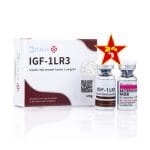
Beligas IGF-1LR3 1mg + 1 BA Liquid
$ 119.00
Explore the benefits and risks of Beligas IGF-1LR3, a popular supplement for muscle growth and recovery, while understanding its potential side effects.
10 in stock
Description
Insulin-like Growth Factor 1 Long R3 (IGF-1LR3) is a synthetic peptide that has garnered attention in the realms of bodybuilding and athletic performance enhancement. Produced by Beligas, a company known for its range of performance-enhancing supplements, IGF-1LR3 is often sought after for its purported ability to stimulate muscle growth, enhance recovery, and improve overall physical performance. However, like many powerful substances, it comes with its own set of potential benefits and risks. This article aims to explore these aspects in detail, providing a balanced view of this popular supplement.
Understanding Beligas IGF-1LR3: Benefits
Beligas IGF-1LR3 is renowned for its potential anabolic effects, which are primarily attributed to its ability to enhance muscle protein synthesis. This leads to increased muscle growth and improved physical performance, making it a popular choice among bodybuilders and athletes. Additionally, IGF-1LR3 is believed to aid in fat loss by promoting the utilization of stored fat for energy. Another notable benefit is its potential to accelerate recovery times by facilitating the repair of muscle tissues and reducing inflammation. This can be particularly advantageous for athletes who undergo rigorous training regimens. Furthermore, some users report improved overall vitality and endurance, which can contribute to enhanced athletic performance and stamina.
Understanding Beligas IGF-1LR3: Risks
Despite the promising benefits, Beligas IGF-1LR3 is not without its risks. The use of IGF-1LR3 can potentially lead to a range of side effects, particularly if misused or taken in excessive doses. Common concerns include hypoglycemia, due to the peptide’s influence on insulin sensitivity, which can lead to dangerously low blood sugar levels. Additionally, there is a risk of developing resistance to the peptide, diminishing its effectiveness over time. Long-term use may also pose unknown health risks, as comprehensive studies on the prolonged effects of IGF-1LR3 are limited. Moreover, as with many performance-enhancing substances, there is the potential for legal and ethical issues, especially in competitive sports environments. It is crucial for users to thoroughly research and consider these risks, ideally under the guidance of a healthcare professional.
In conclusion, Beligas IGF-1LR3 presents a complex profile of potential benefits and risks that require careful consideration. While it may offer advantages such as enhanced muscle growth, improved recovery, and increased endurance, these must be weighed against the possible side effects and ethical implications. As with any powerful supplement, responsible use and informed decision-making are paramount. Those considering IGF-1LR3 should seek professional medical advice and remain cognizant of the legalities involved in its use, especially in competitive sports. Ultimately, the decision to use IGF-1LR3 should be made with a comprehensive understanding of both its potential benefits and inherent risks.
Related products
 $ 139.00
- Sale!Original price was: $ 309.00.$ 239.00Current price is: $ 239.00.
- Sale!Original price was: $ 502.00.$ 451.00Current price is: $ 451.00.
- Sale!Original price was: $ 192.00.$ 139.00Current price is: $ 139.00.