Glutamate: How This Amino Acid Fuels Your Brain’s Performance
TABLE OF CONTENTS

Glutamate plays a critical role in cellular metabolism and serves as a building block for protein synthesis. This amino acid is renowned for its presence in a wide variety of foods and its importance in the human body. Beyond its role in protein synthesis,
BIG SALE | FAST SHIPPING
HOT PROMOTIONS!

FIERCE CLOMID 50MG 50CAPS

Original price was: $ 129.00.$ 119.00Current price is: $ 119.00.





The Science Behind Glutamate
Glutamate, an essential amino acid in the human body, is involved in numerous cellular functions. As an excitatory neurotransmitter, it facilitates communication between nerve cells in the brain. This role is essential for various processes, including learning and memory formation.
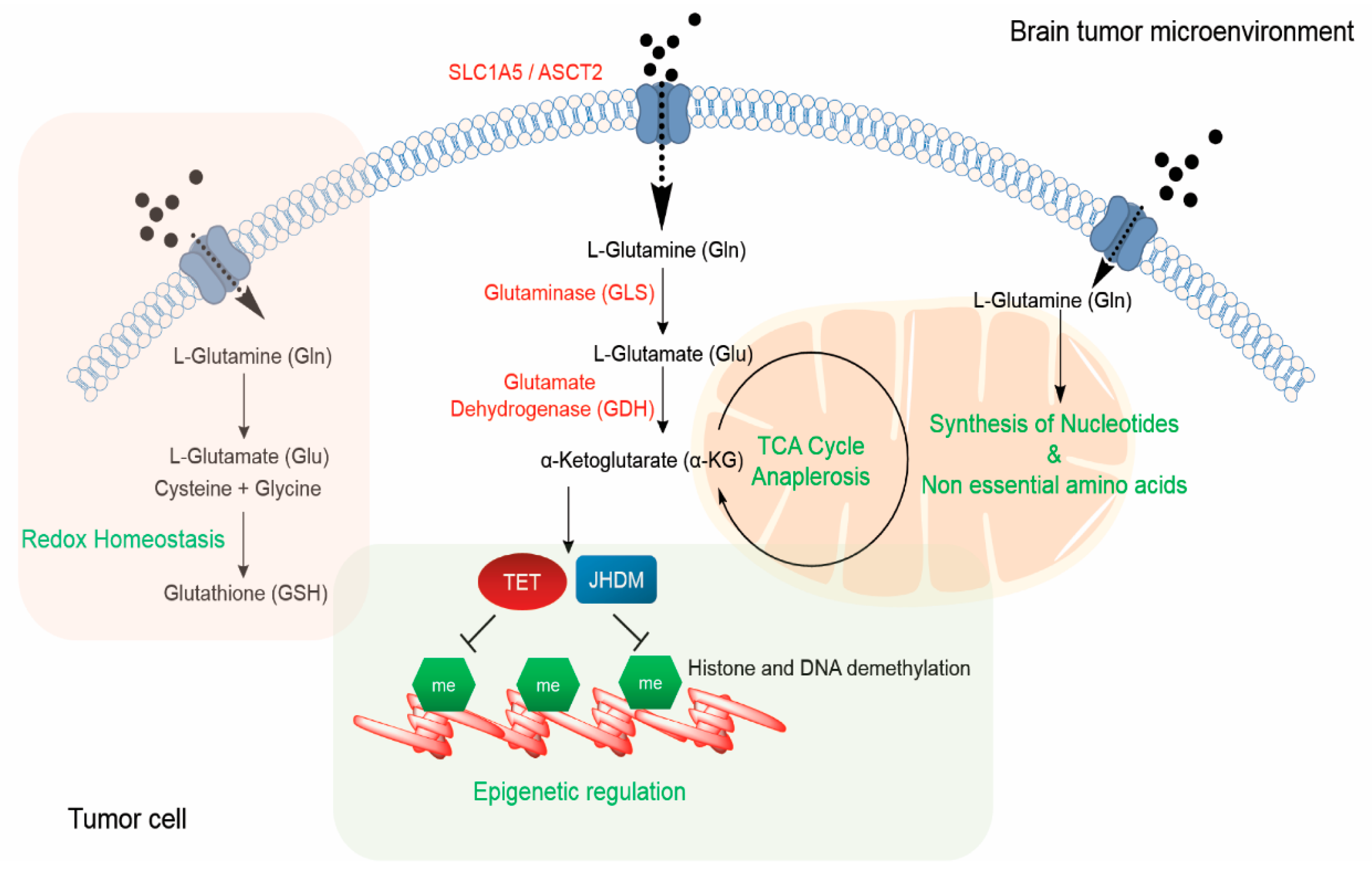
Additionally, glutamate is crucial in the synthesis of other amino acids, indicating its foundational importance in overall metabolic processes. Its role extends beyond metabolism and neurotransmission, impacting the regulation of immune responses and providing a substrate for the synthesis of antioxidants like glutathione.
Dietary Sources and Applications
Despite being produced internally, dietary intake of glutamate-rich foods enhances the body’s supply. Common dietary sources include protein-rich foods like meat, fish, eggs, and dairy products. Plant-based options such as soybeans, nuts, and certain vegetables also offer substantial amounts.
The amino acid is also utilized extensively in the culinary world for its flavor-enhancing properties. As the main component of monosodium glutamate (MSG), it is used to amplify umami flavors in various cuisines worldwide. While some controversy surrounds the use of MSG, numerous studies have affirmed its safety in moderation.
Health Implications
Given its role in regulating neurotransmission, fluctuations in glutamate levels can significantly impact health. Excessive amounts in the brain may contribute to neurological disorders such as Alzheimer’s, Parkinson’s, and epilepsy. Conversely, insufficient levels may lead to cognitive impairments and mood disorders such as depression.
By maintaining balanced levels and understanding the need for appropriate dietary intake, potential adverse effects can be mitigated. This balance is crucial for sustaining optimal mental and physiological health.
Conclusion
In conclusion, glutamate amino acid plays a pivotal role in the human body beyond protein synthesis. Its involvement in neurotransmission, immune response, and cellular metabolism underscores its versatility and indispensability. Although generally safe and beneficial, maintaining appropriate levels is essential for avoiding potential health issues.
FAQs
What is Glutamate?
Glutamate is an amino acid that functions as an excitatory neurotransmitter in the brain, aiding in communication between nerve cells.
Where is Glutamate Found?
It is prevalent in protein-rich foods such as meat, fish, dairy, and plant-based sources like soybeans and nuts. Learn more about its sources and applications.
Is MSG the same as Glutamate?
MSG contains the amino acid as its main component, used to enhance flavor in foods. For further reading on MSG’s safety, visit FDA information on MSG.
Can Glutamate Affect Health?
Imbalances may affect neurological health, with excess possibly linked to disorders like Alzheimer’s and epilepsy.
By understanding its diverse roles and applications, glutamate remains integral to health and nutrition.
Glutamate is a crucial amino acid that plays a significant role in both cellular metabolism and neurotransmission. As a non-essential amino acid, the body can synthesize it, yet it remains vital for numerous biological processes. In the central nervous system, glutamate acts as the primary excitatory neurotransmitter, facilitating synaptic plasticity, which is essential for learning and memory. Additionally, glutamate is a key player in the nitrogen cycle within cells, being involved in pathways like the synthesis and degradation of amino acids and the regulation of enzyme activities. While its functions are fundamental to brain health and metabolic processes, an imbalance in glutamate levels can lead to neurotoxicity and is implicated in various neurological disorders, including Alzheimer’s disease, Parkinson’s disease, and epilepsy. Hence, maintaining appropriate glutamate regulation is crucial for overall brain function and health.