

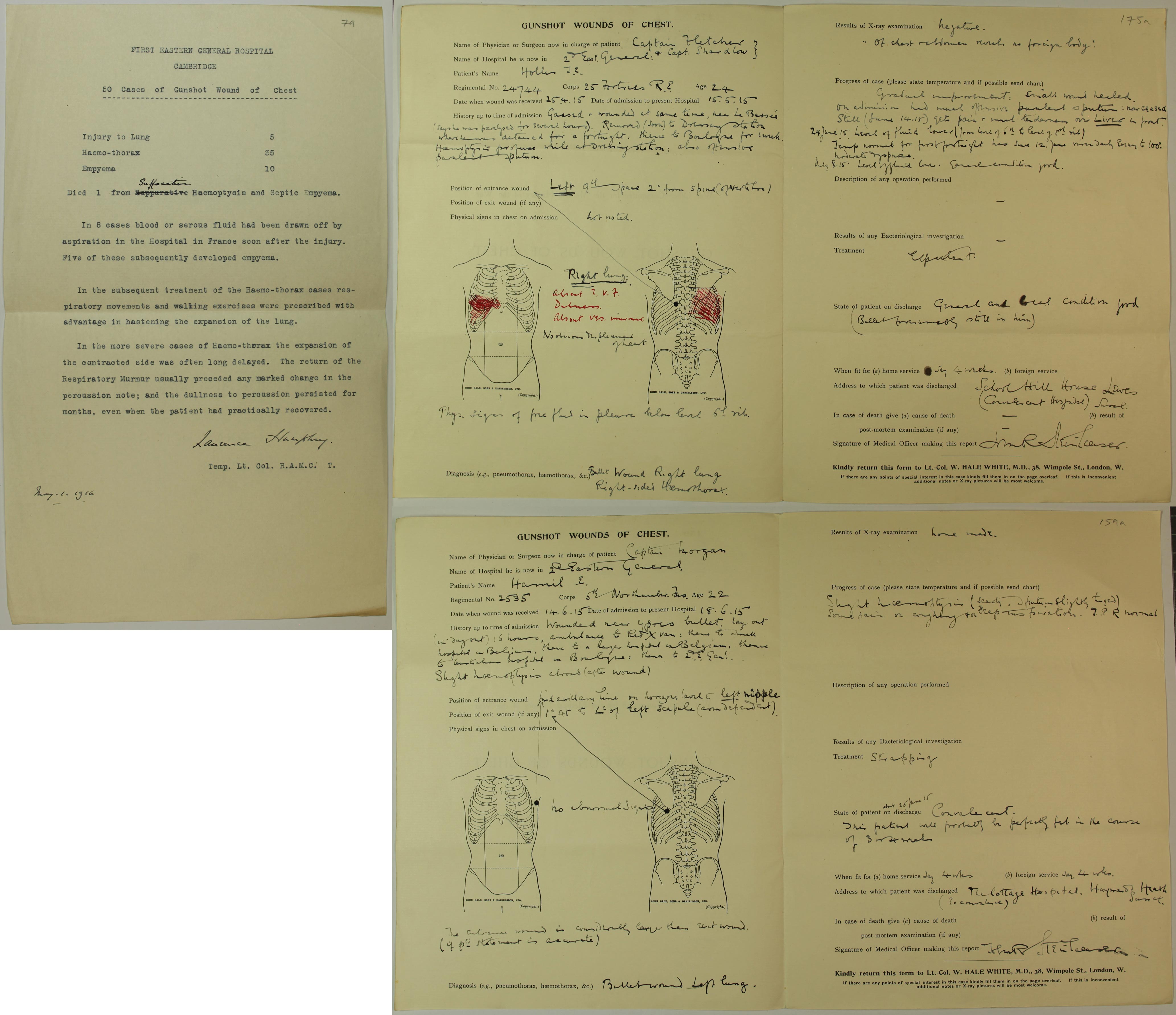
Gunshot Wounds: A Comprehensive Guide to Types and Treatments

Gunshot wounds are a severe form of trauma that requires immediate medical attention. They can result from firearms operated by civilians, military personnel, or law enforcement officers. The severity and implications of such injuries can vary significantly, depending on factors such as the type of firearm used, the distance from which the shot was fired, and the location of the injury on the body. This article delves into the complexities and care considerations associated with these injuries.
The Nature of Gunshot Wounds
Gunshot wounds occur when a projectile from a firearm penetrates body tissue. These wounds can cause extensive damage due to the kinetic energy carried by the bullet. The impact of a gunshot wound ranges from minor injuries, where the bullet may graze the skin, to severe trauma involving critical organs. It is crucial for individuals involved in treating these injuries to have appropriate training to assess and manage the wounds effectively.
BIG SALE | FAST SHIPPING
HOT PROMOTIONS!
ZPHC Clomid Clomiphene 25mg/tablet | 100 Tablets Total: 2500mg

Original price was: $ 159.00.$ 65.00Current price is: $ 65.00.







Immediate Response to Gunshot Wounds
The first step in treating gunshot wounds involves ensuring the safety of the victim and assessing the injury. Immediate medical attention is paramount to minimize complications. First responders must determine whether the wound is penetrating or perforating. Penetrating gunshot wounds occur when the bullet enters but does not exit the body, while perforating wounds mean the bullet passes through the body entirely.
Medical Evaluation and Treatment
Once stabilized, a comprehensive evaluation of the gunshot wound is conducted in a medical facility. X-rays and CT scans may be used to assess internal damage and plan treatment. The primary aims of medical intervention include stopping any bleeding, preventing infection, and repairing damaged tissue. In some cases, surgery may be necessary to remove bullet fragments and repair any significant internal damage.
Psychological Impact of Gunshot Wounds
Beyond the physical ramifications, the psychological impact of gunshot wounds can be significant. Victims may encounter post-traumatic stress disorder (PTSD), anxiety, and depression. Mental health support is a crucial aspect of recovery and should be integrated into the treatment plan for gunshot wound survivors.
Conclusion
In summary, gunshot wounds are complex injuries that demand quick and efficient medical intervention, as well as psychological support. Recognizing the critical aspects of treating these wounds can significantly enhance recovery outcomes. The societal implications of firearm-related injuries also necessitate ongoing discussions about control and prevention strategies. For in-depth insights into trauma management, visit Mayo Clinic and Johns Hopkins Medicine.
FAQs
What should I do if I encounter a gunshot wound victim?
Ensure your safety first, then call emergency services immediately. Provide basic first aid if you are trained to do so.
How are gunshot wounds classified?
Gunshot wounds are classified based on penetration: penetrating (bullet remains in the body) or perforating (bullet exits the body).
What are the psychological effects of surviving a gunshot wound?
Survivors may experience PTSD, anxiety, and other mental health issues, requiring professional support.
Can gunshot wounds be completely healed?
Physical recovery depends on the injury’s severity, but medical and psychological interventions can significantly improve quality of life post-injury.
Gunshot wounds are serious and potentially life-threatening injuries caused by the discharge of a firearm. The severity of these wounds can vary significantly depending on factors such as the location of the entry and exit points, the caliber of the bullet, the distance from which the shot was fired, and the type of firearm used. Upon penetration, bullets can cause extensive damage by disrupting tissues, fracturing bones, and causing significant blood loss. The immediate treatment of gunshot wounds involves stopping the bleeding, ensuring the airway is clear, and preventing infection. Rapid medical intervention is critical, as gunshot wounds can lead to shock, severe organ damage, and can be fatal if not addressed promptly. In a medical setting, treatment often includes surgical intervention to remove the bullet and repair damaged tissues, alongside antibiotics to combat potential infections. The psychological impact on victims and witnesses also necessitates comprehensive mental health support as part of the recovery process.