Half-Life of Testosterone Isocaproate: What You Need to Know

Testosterone isocaproate is an ester of the primary male sex hormone, testosterone. It is frequently used in hormone replacement therapy and in the building of muscle mass for athletes and bodybuilders. A critical aspect of any testosterone ester, including testosterone isocaproate, is its half life. This refers to the time it takes for half of the drug to be processed and eliminated from the body, influencing how often it needs to be administered.
The Role of Testosterone Isocaproate Half Life
The half life of testosterone isocaproate primarily determines its effectiveness and usage pattern. For testosterone isocaproate, the half life is approximately nine days. This extended half life means that the compound releases slowly and steadily, ensuring a consistent level of testosterone in the bloodstream.
Understanding the half life is crucial for optimizing dosing strategies. With a nine-day half life, testosterone isocaproate can be administered less frequently compared to compounds with shorter half lives, allowing for fewer injections while maintaining stable hormone levels. This extended half life also contributes to a more manageable side effect profile, as it avoids peaks and troughs in testosterone levels.
Benefits of Testosterone Isocaproate’s Half Life
The prolonged half life of testosterone isocaproate offers several benefits:
- Reduced injection frequency: Patients might only need injections every two to three weeks, improving treatment adherence.
- Stable hormone levels: The extended half life leads to more stable testosterone levels, reducing the risk of side effects associated with fluctuating hormone levels.
- Convenience: Longer intervals between dosing make testosterone isocaproate a convenient option for those who require hormone therapy.
Conclusion
In conclusion, the half life of testosterone isocaproate is a key factor in defining the drug’s operational parameters, dosing schedule, and overall effectiveness. The nine-day half life offers significant therapeutic advantages, including reduced dosing frequency and a more stable hormonal environment, which is ideal for both therapeutic applications and performance enhancement. Understanding the pharmacokinetics of this ester is crucial for anyone considering its use.
FAQs
What is the half life of testosterone isocaproate?
The half life of testosterone isocaproate is approximately nine days.
How does the half life affect dosing frequency?
The nine-day half life allows for fewer injections, typically every two to three weeks, while maintaining stable testosterone levels.
Why is understanding half life important in hormone therapy?
Understanding the half life is essential for designing an effective dosing schedule, ensuring consistent drug levels in the body, and minimizing side effects.
BIG SALE | FAST SHIPPING
HOT PROMOTIONS!



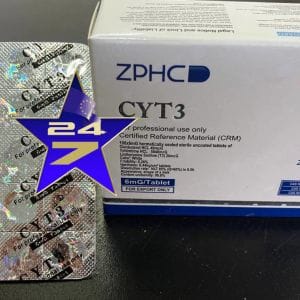
CYT 3 6MG | T3 | Yohimbe | Clen | Weight Loss Blend | 100 Tablets Total Kit 600mg
$ 69.00
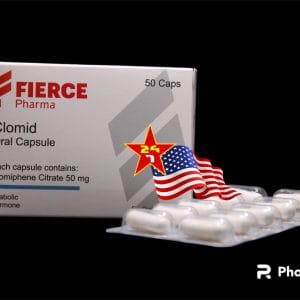
FIERCE CLOMID 50MG 50CAPS
Original price was: $ 129.00.$ 119.00Current price is: $ 119.00.
Beligas 10ml Vial Testosterone NPP Blend 150mg

Original price was: $ 119.00.$ 99.00Current price is: $ 99.00.
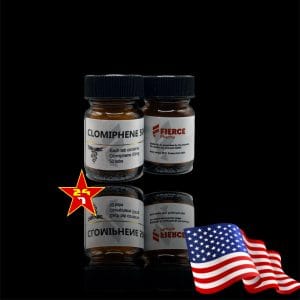
CLOMID 50MG FIERCE 50 TABLETS
Original price was: $ 129.00.$ 119.00Current price is: $ 119.00.
ZPHC Clomid Clomiphene 25mg/tablet | 100 Tablets Total: 2500mg
Original price was: $ 159.00.$ 65.00Current price is: $ 65.00.
Testosterone isocaproate is an esterified form of testosterone that is commonly included in formulations such as Sustanon and Omnadren, which are designed for testosterone replacement therapy. The isocaproate ester influences the pharmacokinetics of the compound, particularly its half-life, which is generally estimated to be around 9 to 10 days. This extended half-life allows for less frequent dosing compared to non-esterified forms of testosterone, offering a sustained release that helps maintain stable blood testosterone levels over time. The extended half-life is due to the ester chain, which slows the release of testosterone from the injection site, enabling the compound to remain active in the body for a longer period. Consequently, testosterone isocaproate provides effective androgen replacement, supporting physiological needs while minimizing the frequency of injections.