
Hexarelin Peptide: A Deep Dive into Its Mechanisms and Uses

In the landscape of peptides and their multifaceted applications, Hexarelin peptide stands out as a subject of interest. Known for its capability to influence human growth hormone (HGH) levels, Hexarelin peptide has been extensively studied for various potential benefits. This article explores the science behind Hexarelin peptide, its potential applications, and answers common questions surrounding its use.
What is Hexarelin Peptide?
Hexarelin peptide belongs to a class of compounds called growth hormone secretagogues. It is a synthetic peptide that mimics the effects of ghrelin, a naturally occurring hormone in the human body that stimulates the pituitary gland to release growth hormone. This process is crucial as HGH plays a vital role in cellular regeneration, growth, and maintenance of various bodily functions.
Mechanism of Action
The primary mechanism through which Hexarelin peptide functions is by binding to the growth hormone secretagogue receptor (GHS-R) in the brain. This action triggers the pituitary gland to secrete more growth hormone into the bloodstream. The elevated levels of HGH can have various positive outcomes, such as enhanced muscle growth, improved recovery times, and increased energy levels.
Potential Benefits of Hexarelin Peptide
The potential benefits of using Hexarelin peptide are manifold. Firstly, its ability to increase growth hormone levels can support muscle growth and recovery, making it popular among athletes and bodybuilders. Moreover, it may aid in fat loss by enhancing metabolism. Some studies suggest that Hexarelin peptide could also promote heart health by improving cardiac functioning. Furthermore, it may have protective neural effects, offering potential benefits in neuroprotection and cognitive function.
Conclusion
In conclusion, Hexarelin peptide presents a promising avenue for enhancing HGH levels, which may lead to various health and performance benefits. However, like any therapeutic compound, its use must be approached with caution and ideally under medical supervision, especially considering the potential side effects that can arise from misusing peptides.
Frequently Asked Questions (FAQs)
-
- What are common side effects of Hexarelin peptide? Some potential side effects include water retention, increased hunger, and mild joint pain. It’s crucial to consult a healthcare provider for personalized guidance before using Hexarelin peptide.
-
- How is Hexarelin peptide administered? Typically, Hexarelin peptide is administered via subcutaneous injection. The dosage and frequency should be determined by a medical professional.
-
- Is Hexarelin peptide legal? The legality of Hexarelin peptide varies by region. In some places, it may only be available for research purposes, so it’s important to check local regulations.
BIG SALE | FAST SHIPPING
HOT PROMOTIONS!
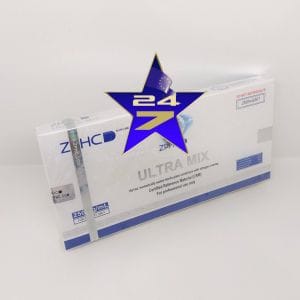
ZPHC UltraMix 1ml amps x 10 amps - 1ml = 250mg
Original price was: $ 259.00.$ 179.00Current price is: $ 179.00.


Hexarelin is a synthetic peptide belonging to the growth hormone-releasing peptides (GHRPs) family, primarily recognized for its potential to stimulate the release of growth hormone (GH) from the pituitary gland. Structurally derived to mimic the natural processes of growth hormone secretagogues, Hexarelin operates by binding to the ghrelin receptor, which in turn enhances the pulsatile secretion of growth hormone. This peculiar mechanism has garnered interest for its possible applications in clinical settings, such as treating growth hormone deficiencies, bolstering muscle recovery, and mitigating age-related decline in GH levels. Additionally, studies suggest it may possess cardioprotective properties, contributing positively towards heart health by improving systolic function and offering potential therapeutic benefits for cardiac patients. Despite these promising attributes, Hexarelin is still primarily an investigational compound, warranting further research to fully understand its efficacy and safety in long-term usage.