Hgh and water retention
TABLE OF CONTENTS

The role of human growth hormone (HGH) in physical fitness and bodybuilding is often a topic of interest. This hormone is naturally produced in the human body and plays a critical role in cell regeneration, growth, and maintaining healthy body composition. However, when discussing HGH, water retention is a factor that frequently surfaces. Understanding the connection between HGH and water retention can be crucial for fitness enthusiasts aiming for optimal results.
Understanding HGH’s Role in Fitness
HGH is integral to several bodily functions, including muscle growth and fat loss. It boosts protein synthesis and accelerates muscle recovery after intense workouts, thus promoting increased muscle mass. Due to these properties, HGH supplements are widely used in bodybuilding and sports to enhance performance and achieve a desirable physique.
The Connection Between HGH and Water Retention
Despite HGH’s benefits, one of the side effects associated with its usage is water retention. Water retention refers to the body’s tendency to hold excess water in the tissues, often resulting in swelling or puffiness, especially in extremities like the hands or feet. For individuals focusing on muscle definition and lean muscle mass, this could present a challenge.
Water retention from HGH doesn’t occur uniformly for everyone. It depends on factors such as the dosage, duration of use, and individual body response. For some, the increase in extracellular fluid may slightly blur muscular definition, yet for others, it might enhance aesthetics by making muscles appear fuller.
Managing Water Retention While Taking HGH
For those concerned about water retention, a few strategies can alleviate these effects. Monitoring sodium intake is essential since excessive sodium can exacerbate water retention. Ensuring proper hydration also aids in reducing fluid retention, as paradoxical as it sounds. Additionally, consulting a healthcare professional to adjust HGH dosage may be necessary to minimize this side effect.
Conclusion
In conclusion, while HGH offers numerous advantages in the realm of bodybuilding and athletics, it may come with the side effect of water retention. However, understanding this phenomenon and implementing measures to mitigate it can help individuals balance the benefits of HGH with their aesthetic and fitness goals. Maintaining a dialogue with healthcare professionals can ensure safe and effective use of HGH as part of a fitness regimen.
Frequently Asked Questions (FAQs)
Q: What is HGH?
A: Human growth hormone is a natural hormone essential for growth, cell reproduction, and cell regeneration.
Q: Can HGH lead to water retention?
A: Yes, one of the known side effects of HGH is its potential to cause water retention in some individuals.
Q: How can I manage water retention when using HGH?
A: Monitoring sodium intake, ensuring adequate hydration, and consulting with a healthcare provider about dosage adjustments can help manage water retention.
Q: Is water retention from HGH dangerous?
A: Generally, it’s not dangerous but can be uncomfortable. If excessive, it’s important to seek medical advice.
BIG SALE | FAST SHIPPING
HOT PROMOTIONS!

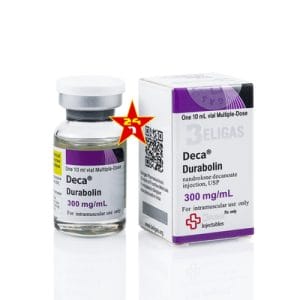

ZPHC UltraMix 10ml MultiUse Vial 1ml = 250mg

Original price was: $ 255.00.$ 179.00Current price is: $ 179.00.


Fierce nandrolone decanoate 300 / ml 10ml

Original price was: $ 131.00.$ 119.00Current price is: $ 119.00.

Beligas 10ml Vial Testosterone NPP Blend 150mg

Original price was: $ 119.00.$ 99.00Current price is: $ 99.00.

#Bodybuilding #Bodybuildingmotivation #Powerlifting #Bodybuilder #Heavyweightlifting #Workoutathome #stayfit #bodybuilding
Human Growth Hormone (HGH) plays a significant role in various physiological processes, including growth, metabolism, and cellular repair. However, one of the side effects associated with synthetic HGH use is water retention, medically known as edema. This occurs because HGH can influence the balance of body fluids, often resulting in the accumulation of excess fluid in the tissues. While mild water retention might not cause significant issues, in some cases, it can lead to complications such as increased blood pressure or discomfort due to swelling, particularly in the extremities like the hands, feet, or ankles. It’s important for individuals considering HGH therapy to monitor for signs of edema and consult healthcare professionals to manage these effects, adjusting dosages as necessary to alleviate symptoms and ensure overall well-being.