
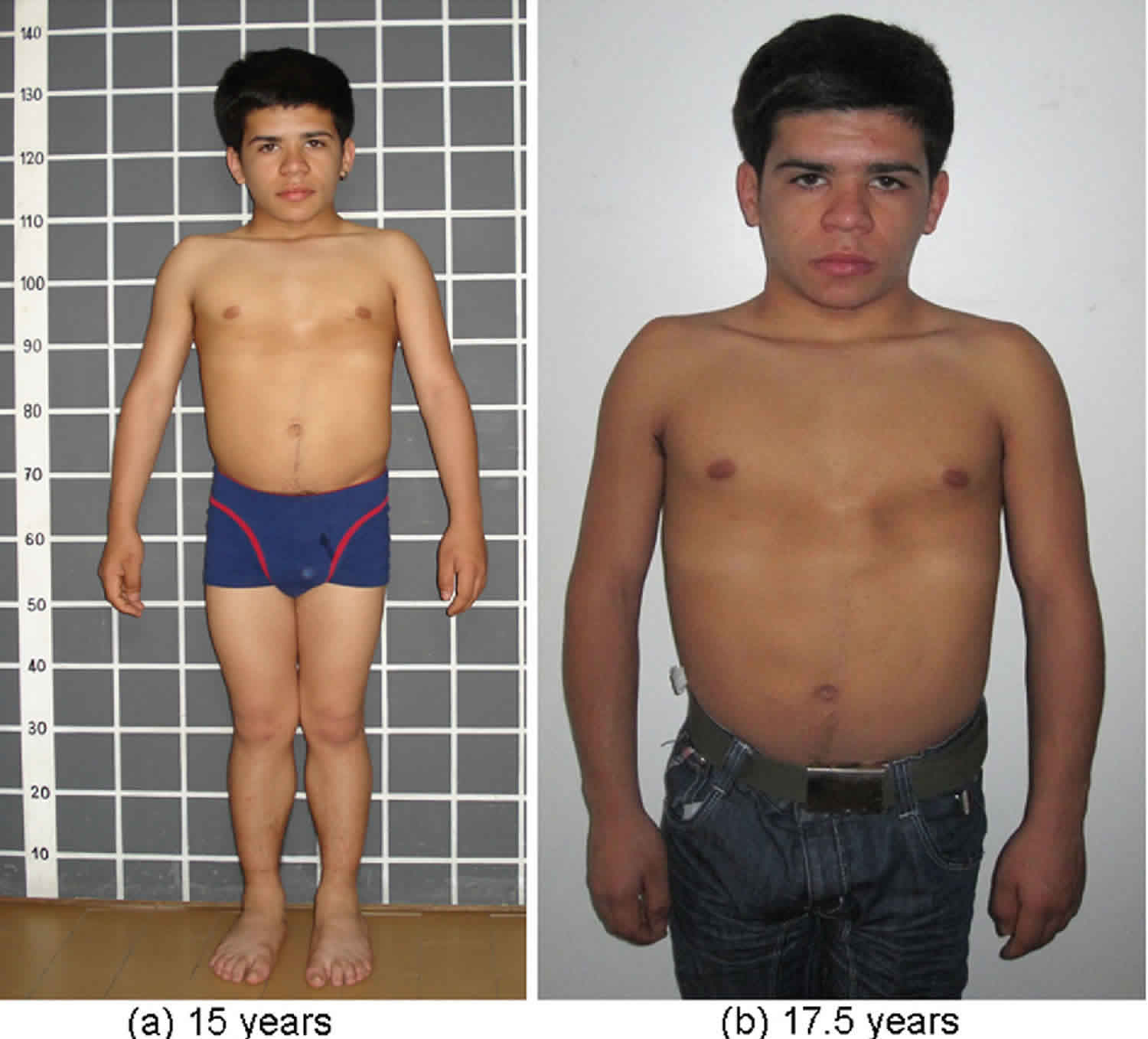
HGH Deficiency: Symptoms, Diagnosis, and Treatment Options

HGH, or Human Growth Hormone, plays a pivotal role in the body’s growth, cell repair, and metabolism. Produced by the pituitary gland, HGH can influence height, muscle and bone growth, and even regulate body composition. While naturally occurring, synthetic versions have surged in popularity, especially within the realms of fitness and wellness. In this article, we’ll explore the various aspects and implications of HGH usage.
What is HGH?
HGH is a chemical messenger that stimulates growth, cell reproduction, and regeneration. It’s crucial during childhood for ensuring proper height development and continues to maintain tissue and organ health throughout life. However, the levels of HGH decrease significantly with age, leading some to explore supplementation options. 🤖
HGH in Bodybuilding and Fitness
Within the fitness community, many athletes and bodybuilders turn to synthetic HGH to enhance their performance and appearance. It’s reputed for boosting muscle mass, enhancing endurance, and accelerating recovery time. However, the appeal goes beyond muscle-building. HGH is also sought after for its potential to reduce body fat, contributing to a leaner physique.
Health Implications and Concerns
Despite its numerous benefits, the misuse of synthetic HGH carries risks. Potential side effects include joint pain, increased insulin resistance, swelling, and carpal tunnel syndrome. It is crucial to consult healthcare professionals before considering HGH supplementation, as inappropriate dosages can lead to long-term health concerns. 🌟
Conclusion
While HGH holds significant promise in enhancing physical performance and combating the effects of aging, it is essential to approach its usage cautiously. Relying on professional guidance and prioritizing natural methods of boosting HGH, like regular exercise and proper nutrition, can mitigate adverse effects. In the ever-evolving world of fitness, informed decisions remain paramount for achieving sustainable wellness.
FAQs
Is HGH legal for athletes?
HGH is banned by many sports organizations, including the International Olympic Committee, due to its performance-enhancing effects.
Can HGH help with weight loss?
HGH may aid fat loss by promoting a leaner body composition, though it should not be solely relied upon for weight management.
Are there natural ways to increase HGH levels?
Yes, engaging in high-intensity exercise, prioritizing adequate sleep, and following a balanced diet can help naturally elevate HGH levels.💪
FREE SHIPPING
HOT PROMOTIONS!
BIG SALE | FAST SHIPPING
STADA TESTOSTERONE CYPIONATE 300MG 10ML

Original price was: $ 119.00.$ 99.00Current price is: $ 99.00.

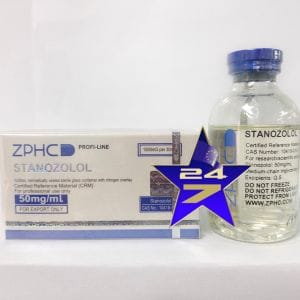

CYT 3 6MG | T3 | Yohimbe | Clen | Weight Loss Blend | 100 Tablets Total Kit 600mg
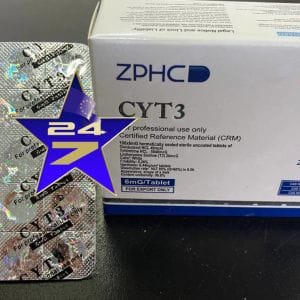
$ 69.00
ANAVAR | ZPHC ANAVAR 5 MG SPECTRUMPHARM 100Tab
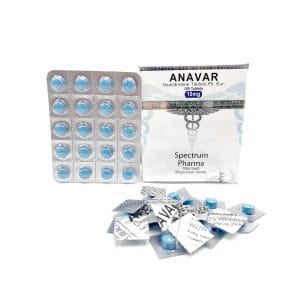
Original price was: $ 119.00.$ 59.00Current price is: $ 59.00.

CROWX 👑 OXAROW 50 Mg / 50 Tabs (Oxandrolone)

Original price was: $ 149.00.$ 129.00Current price is: $ 129.00.

Beligas RETHO CIALIS 25mg 50 tablets
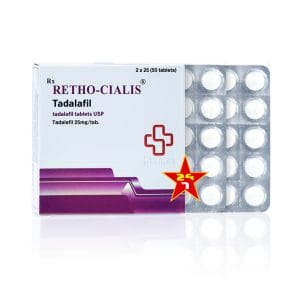
Original price was: $ 99.00.$ 59.00Current price is: $ 59.00.
Human Growth Hormone (HGH) is a peptide hormone that is produced by the pituitary gland and plays a crucial role in growth, cell repair, and metabolism. Its primary function is to stimulate growth during childhood and maintain tissues and organs throughout life. HGH influences many bodily functions, such as muscle and bone growth, sugar and fat metabolism, and possibly heart function. Clinically, synthetic HGH is used to treat growth disorders in children and growth hormone deficiency in adults. However, it is also known to be misused by athletes and bodybuilders as a performance-enhancing drug, due to its ability to increase muscle mass and reduce body fat. The non-medical use of HGH is controversial and potentially risky, as it can lead to side effects such as joint pain, insulin resistance, and increased risk of diabetes or abnormal growths. Ethical and health considerations continue to fuel debates over its use outside of prescribed treatments.