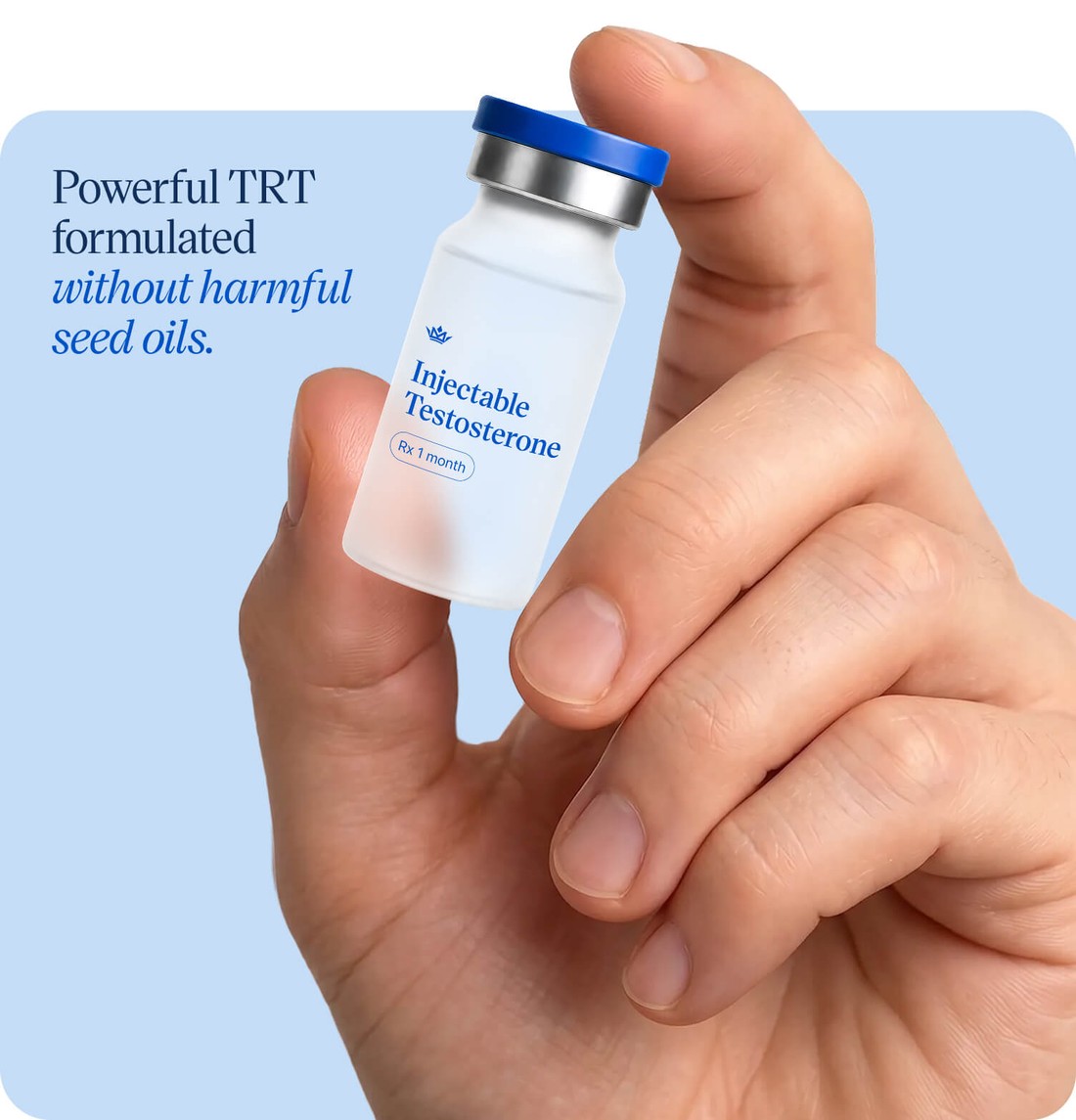

How is hormone use managed in professional acting?
Introduction
In the world of professional acting, physical appearance is often paramount. Many actors strive to achieve specific body types or maintain youthful looks, which sometimes leads them to explore various hormone treatments. But the question arises: how is hormone use managed in professional acting? Understanding this intricate topic involves delving into the reasons for hormone use, the implications of such treatments, and the strategies employed by actors and the industry to manage these substances.
The Basis for Hormone Use in Acting
Hormone use in professional acting can primarily be categorized into two areas:
- Performance Enhancement: Actors may use hormones to achieve physical attributes that enhance their roles, such as muscle growth or fat reduction.
- Aging Concerns: Many performers seek treatments to counteract signs of aging, aiming to maintain a youthful appearance for longer periods.
While the motivation behind hormone treatments can be understandable, it also raises ethical concerns regarding safety and fairness in the industry.
Types of Hormones Commonly Used
Several types of hormones are commonly used in the entertainment industry. Some of the notable ones include:
- Testosterone: Often used to increase muscle mass and strength, it can also enhance overall vitality.
- Estrogen: Sometimes utilized in transitioning or to enhance certain physical attributes associated with femininity.
- Human Growth Hormone (HGH): Promoted for its anti-aging properties, it potentially helps actors maintain their physical prowess.
The Risks and Ethical Considerations
Hormonal treatments come with various risks. Potential side effects include:
- Weight gain or loss
- Emotional instability
- Increased risk of chronic diseases, such as diabetes or cardiovascular issues
Moreover, many argue that hormone manipulation for aesthetic purposes poses ethical questions. Are actors setting unrealistic beauty standards? How does this impact younger audiences who idolize them? These are important discussions within both the industry and society at large.
Regulatory Framework and Industry Guidelines
Although there are no specific laws governing hormone use in acting, organizations like the Screen Actors Guild (SAG) provide guidelines aimed at protecting actors’ health. These guidelines encourage transparency and responsibility among performers and their management teams.
Production companies may also implement their own policies regarding hormone use to mitigate risks and protect the well-being of their talent. This can lead to a more regulated environment where actors feel safe and supported.
Consultation and Professional Management
One of the key aspects of safely using hormones in acting involves consulting with healthcare professionals. Actors often work with endocrinologists or nutritionists to gauge the appropriateness of hormonal treatments based on their specific needs.
Furthermore, these healthcare providers can monitor the actor’s progress, making adjustments to protocols as necessary to mitigate risks. This professional oversight is crucial as it not only helps in achieving desired results but also ensures the actor’s health is prioritized.
Prioritizing health is especially crucial given the pressures of the industry. Actors often face tight schedules, intense scrutiny, and the need to maintain peak physical condition. Hormones, while potentially beneficial, must be treated with caution.
FREE SHIPPING
CLICK HERE!
HOT PROMOTIONS!
TB500 2MG, thymosin beta 4 FIERCE
Original price was: $ 402.00.$ 181.00Current price is: $ 181.00.


Education and Awareness
Educating actors about the potential dangers and benefits of hormone treatments is essential. Many industry veterans advocate for workshops and forums aimed at raising awareness about safe practices. Increased knowledge allows actors to make informed decisions about their bodies and health.
Managing Hormone Use in the Spotlight
So, how is hormone use managed in professional acting? The management often combines self-regulation, professional advice, and industry protocols. Actors are encouraged to maintain transparency regarding their hormone usage. Media representation and public perception can significantly impact their careers, leading many to choose authenticity over artificial enhancement.
Additionally, it is becoming increasingly common for actors to speak openly about their experiences with hormone use, whether positive or negative. Such discussions help demystify the topic and encourage a healthier conversation surrounding body image and performance.
Conclusion
Managing hormone use in professional acting involves multifaceted strategies aimed at balancing performance demands with health considerations. Despite the allure of quick fixes, the importance of education, professional guidance, and ethical considerations cannot be overstated. Ultimately, it’s crucial for actors to approach hormone use with caution, respect for their bodies, and a sense of responsibility toward their audiences.
Frequently Asked Questions
1. Are hormone treatments common in the acting industry?
Yes, hormone treatments are relatively common among actors, especially those seeking to maintain or achieve specific physical attributes. However, their usage must be managed responsibly.
2. What are the potential side effects of hormone use?
Potential side effects may include emotional changes, weight fluctuations, and increased risk for chronic diseases. Continuous monitoring by healthcare professionals is recommended to mitigate these risks.
3. Is it legal to use hormones in acting?
While there are no specific laws regulating hormone use in acting, ethical guidelines exist to protect actors. Organizations such as SAG offer recommendations for health and safety.
4. How can actors ensure safe hormone use?
Actors can ensure safe hormone use by consulting healthcare professionals and participating in ongoing education about the risks and benefits associated with hormonal treatments.
5. Is there a push for more regulation in this area?
There is a growing conversation about the need for better regulation surrounding hormone treatment in the acting industry, primarily focused on health and ethical considerations.