How to mix hcg for pct
TABLE OF CONTENTS

In the realm of bodybuilding and steroid use, Post Cycle Therapy (PCT) is an essential process to help restore the body’s natural hormone levels and reduce the adverse effects of anabolic steroids. Human Chorionic Gonadotropin (HCG) is often used during PCT to help maintain muscle gains and kickstart natural testosterone production. Knowing how to mix HCG for PCT can make a significant difference in its effectiveness. Below, we’ll explore the method of mixing HCG for PCT, ensuring you reap the maximum benefits.
Understanding the Importance of HCG in PCT
HCG acts similarly to luteinizing hormone (LH), stimulating the testes to produce testosterone. After a cycle of anabolic steroids, the body’s natural testosterone production is often suppressed. This suppression could lead to potential muscle loss and other adverse side effects. Therefore, integrating HCG into your PCT regimen can be crucial to preserving your hard-earned gains and ensuring a smoother transition back to natural hormone production.
Step-by-Step: How to Mix HCG for PCT
Step 1: Gather Your Supplies
Before you start mixing, you will need the following items:
-
- A vial of HCG powder
-
- Bacteriostatic water
-
- An alcohol swab
-
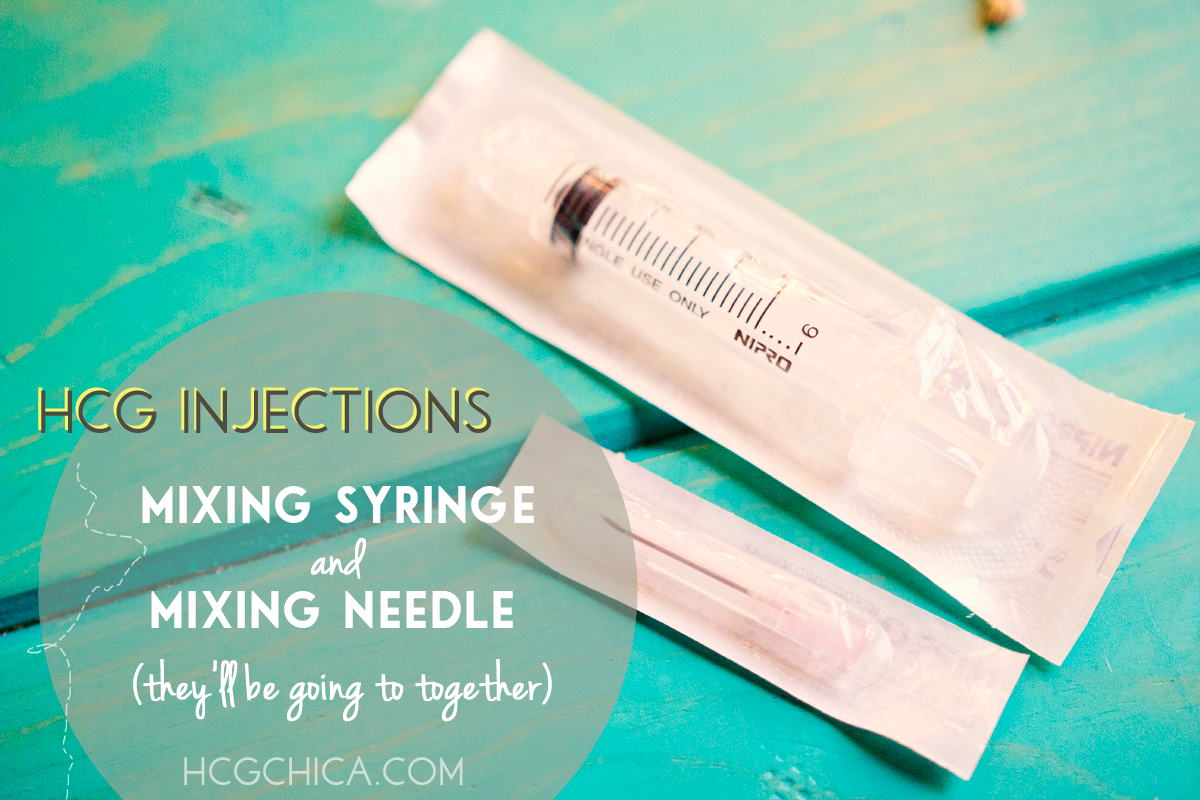
- A syringe (preferably with a needle)
Step 2: Prepare the Vial
Using the alcohol swab, clean the top of both the HCG powder vial and the bacteriostatic water. This is crucial to avoid contamination.
Step 3: Mix the HCG
Draw the required amount of bacteriostatic water into the syringe. Inject this water slowly into the vial containing the HCG powder. Gently swirl the vial to ensure the powder fully dissolves, resulting in a clear solution. Make sure not to shake the vial excessively as this can damage the HCG.
Step 4: Storage
Once mixed, store the HCG solution in a refrigerator. It is typically recommended to use the mixed solution within a few weeks to maintain efficacy.
Conclusion
Understanding how to mix HCG for PCT is crucial for anyone looking to minimize the side effects of anabolic steroid withdrawal. By carefully following the steps outlined, you increase the likelihood of a successful Post Cycle Therapy, allowing you to maintain gains while restoring natural hormone levels. Proper mixing, storage, and usage of HCG can profoundly impact the success of your PCT.
FAQs
What dosage of HCG should I use for PCT?
The optimal dosage can vary, typically ranging from 500 to 2000 IU, depending on individual needs and the specifics of the steroid cycle.
Can I use regular water instead of bacteriostatic water?
No, bacteriostatic water is recommended because it prevents bacterial growth, ensuring the safety and sterility of the HCG solution.
How long does it take for HCG to take effect?
HCG starts stimulating testosterone production shortly after injection, but noticeable effects can vary from person to person.
BIG SALE | FAST SHIPPING
HOT PROMOTIONS!
CLOMID 50MG FIERCE 50 TABLETS
Original price was: $ 129.00.$ 119.00Current price is: $ 119.00.

FIERCE CLOMID 50MG 50CAPS
Original price was: $ 129.00.$ 119.00Current price is: $ 119.00.
CLOMIPHENE TABLETS 50mg 50 TABLETS FIERCE
Original price was: $ 99.00.$ 89.00Current price is: $ 89.00.

#Bodybuilding #Bodybuildingmotivation #Powerlifting #Bodybuilder #Heavyweightlifting #Workoutathome #stayfit #bodybuilding
Mixing human chorionic gonadotropin (HCG) for post-cycle therapy (PCT) involves careful preparation to ensure accurate dosing and effectiveness. Typically, HCG comes in a lyophilized powder form that needs to be reconstituted with bacteriostatic water. Begin by using an alcohol swab to clean the tops of both the HCG vial and the bacteriostatic water vial. Draw the recommended amount of bacteriostatic water into a sterile syringe, usually around 1 to 10 milliliters, depending on the desired concentration and your specific dosage requirements. Slowly inject the water into the HCG vial, aiming for the sides rather than directly into the powder for a gentle mix. Once mixed, gently swirl the vial—avoid shaking vigorously—to fully dissolve the powder. The reconstituted HCG should be stored in the refrigerator and used within the timeframe specified by your healthcare provider, typically under several weeks. Proper dosing as part of a PCT protocol is crucial, so it is advisable to follow guidance from a medical professional to tailor treatment to your specific needs and promote hormonal recovery.